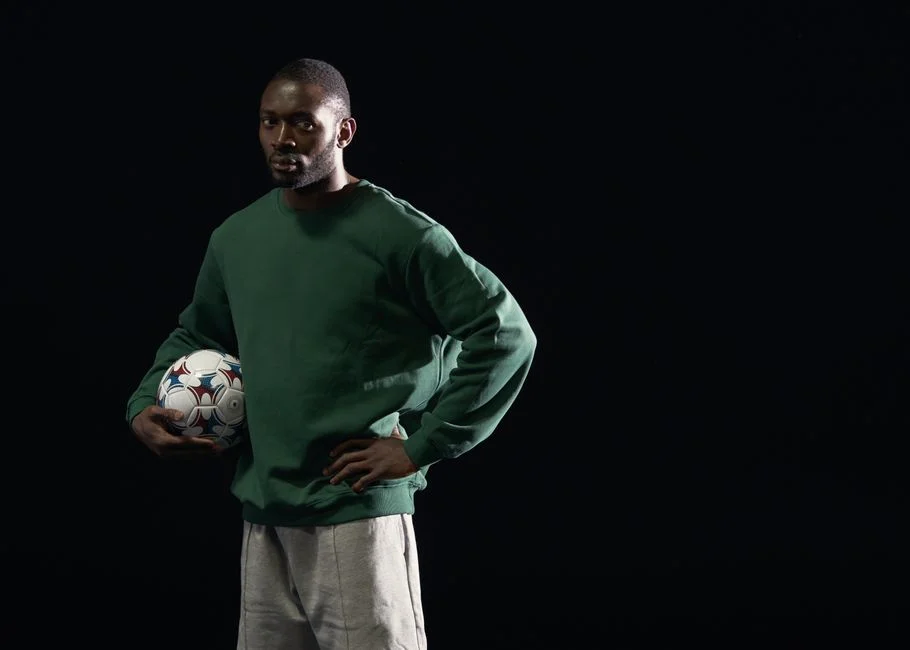
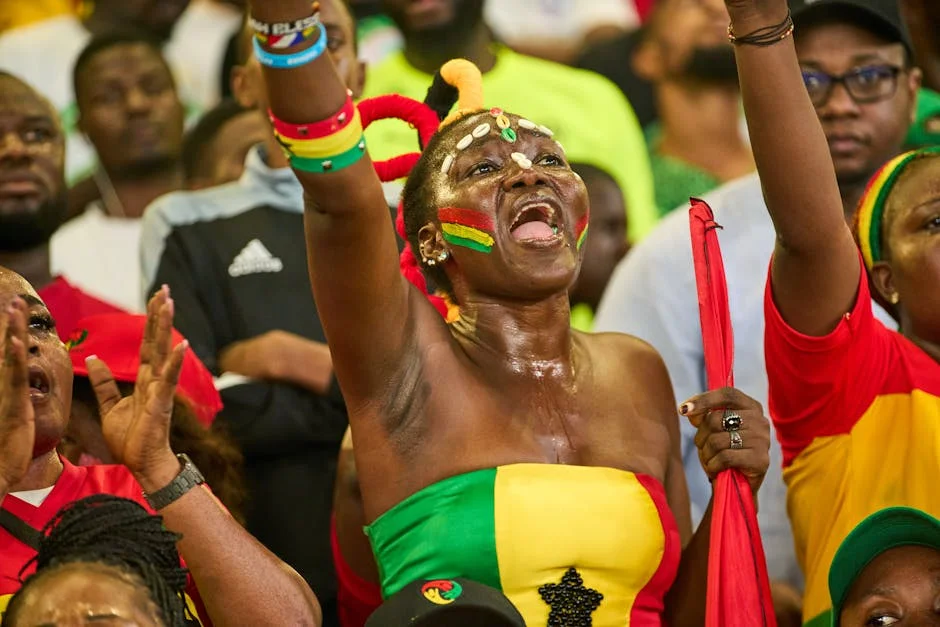
When the United States, Canada, and Mexico host the 2026 FIFA World Cup, an estimated 5 billion viewers will tune in. For millions across Africa, football is more than entertainment — it is one of the few spaces where borders dissolve. But can 90 minutes on a pitch genuinely reshape places shattered by conflict, like Sudan or the volatile Sahel corridor?
Football as a diplomatic instrument
World Cup history offers some clues. South Africa hosted the 2010 tournament during Nelson Mandela's final years in office. The event symbolised a nation reuniting after apartheid. FIFA's decision to award the tournament to South Africa was itself a political act, one that reinforced Pretoria's place in the global community. More recently, Qatar's 2022 hosting sparked fierce debate about sportswashing — yet it also forced Gulf neighbours into uncomfortable conversations about labour rights and regional influence.
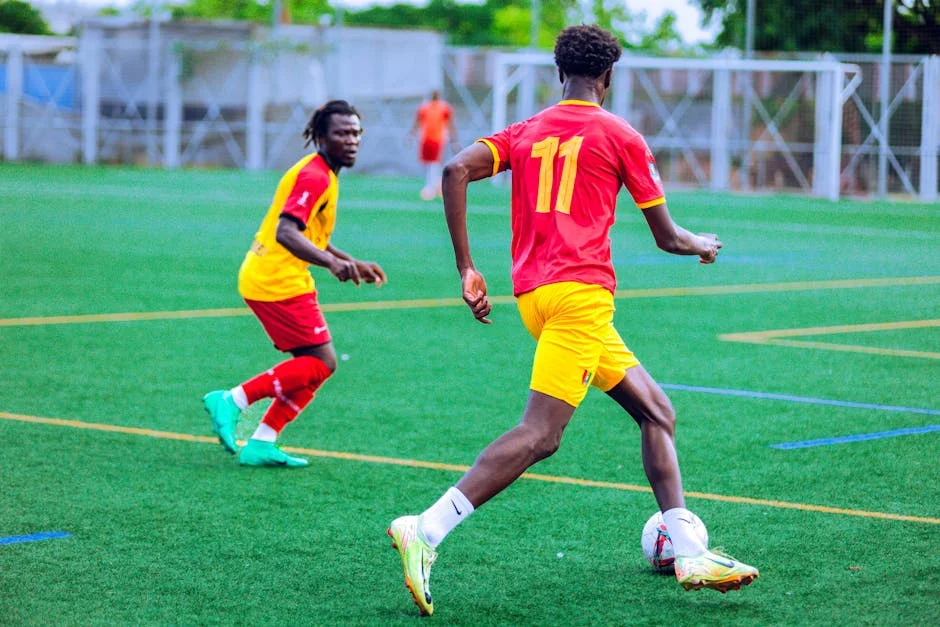
Mexico, a co-host for 2026, has used football to manage its complicated relationship with the United States. Mexican national team matches in American stadiums regularly draw crowds exceeding 70,000, with fans on both sides of the border cheering the same side. This soft power is not lost on diplomats. The Mexican foreign ministry has quietly referenced football as a tool for bilateral engagement.
The African stakes
In sub-Saharan Africa, football carries weight that western analysts often underestimate. When Sudan collapsed into civil war in April 2023, international mediators struggled to secure ceasefire talks. Yet ordinary Sudanese followed football closely. Aid workers operating in Port Sudan and Kassala reported that discussions about the Premier League and African Cup of Nations provided rare openings for community dialogue.
The Sahel region presents a more complex picture. Burkina Faso, Mali, and Niger — nations under military junta rule — have each invested in football infrastructure as part of broader state-building narratives. Mali's national stadium renovation in Bamako cost an estimated $40 million. Whether such projects deliver genuine social cohesion or merely serve regime propaganda remains debated.
What sport cannot fix
Critics argue that conflating sport with peacebuilding risks ignoring structural problems. Sudan requires water-sharing agreements, security sector reform, and transitional justice mechanisms. No header or penalty shootout addresses famine risk or displaced populations in Darfur. Development economists at the African Development Bank have repeatedly cautioned against treating cultural events as substitutes for governance reform.
The Sahel also faces a football-specific challenge: the exodus of talent. Young players from Mali and Burkina Faso regularly attempt dangerous crossings to Europe. The International Organisation for Migration recorded over 12,000 irregular crossings from West African departure points in the first quarter of 2024 alone. For these individuals, the World Cup dream becomes a nightmare of exploitation.
The Gulf factor
Saudi Arabia's Public Investment Fund now owns Newcastle United. Abu Dhabi's Manchester City dominates European football financially. Qatar's gas wealth funded an entire World Cup. This Gulf capital flows into African football too — Sudanese and Algerian clubs have received investment inquiries from investors based in Riyadh and Dubai.
Whether this translates to development spending or merely serves Gulf strategic interests is unclear. What is certain is that football money follows geopolitical influence. The 2026 World Cup co-host Mexico gives the United States a direct stake in North American tournament optics. Africa, by contrast, has no co-host role for the upcoming cycles.
What comes next
FIFA's development programme, Forward, distributes roughly $1.6 billion to member confederations between 2023 and 2026. The Africa segment receives a significant portion. National federations in Chad, South Sudan, and CAR rely on these funds for basic operations. The question is whether this money builds peace or simply sustains bureaucratic structures.
World Cup qualification itself creates diplomatic moments. When Sudan played Egypt in 2023 AFCON qualifiers, Cairo and Khartoum — nations with tense histories — shared a competitive space without incident. These micro-diplomacies rarely make headlines. They also rarely shift fundamental conflicts.
The 2026 World Cup will showcase North American infrastructure and Latin American passion. For African audiences, the spectacle will be consumed alongside deeper questions about why the continent has never hosted the tournament. Egypt bid for 2030. Morocco attempted 2026 alone. Neither succeeded. Until Africa lands the global football prize, discussions about peace through football will carry an undercurrent of resentment about who controls the game.
The view from Nigerian pitches
Nigeria's Super Eagles reached the 2026 World Cup qualifiers with a squad valued collectively at over €150 million. The team's performances matter enormously to fans in Lagos, Kano, and Port Harcourt. Nigeria's sports ministry has linked football investment to youth development targets under the national development plan.
Whether football actually reduces crime, builds bridges between ethnic groups, or creates economic pathways remains contested in Nigerian academic literature. What nobody disputes is that the sport absorbs enormous public attention. During World Cup months, hospital admissions for stress-related conditions reportedly drop. Criminal activity slows. For 90 minutes, a fractured society watches together.
The 2026 World Cup kicks off in June. For Africa's conflict zones, the tournament will offer distraction at best, inspiration perhaps, and diplomacy occasionally. Fixing broken states requires more than a ball. But in places where everything else has failed, the beautiful game endures.
See Also
- Tinubu Promises to Fix Nigeria’s Insecurity in Four Years
- Tinubu Demands Global Financial Overhaul to Unlock Africa’s Growth
What is the latest news about fifa world cup 2026 can football actually fix broken nations?
Why does this matter for politics-governance?
What are the key facts about fifa world cup 2026 can football actually fix broken nations?