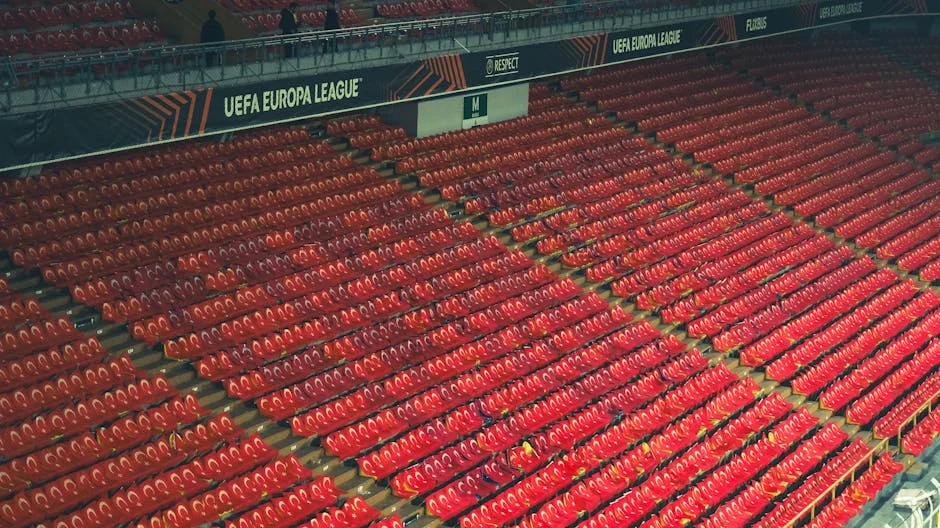
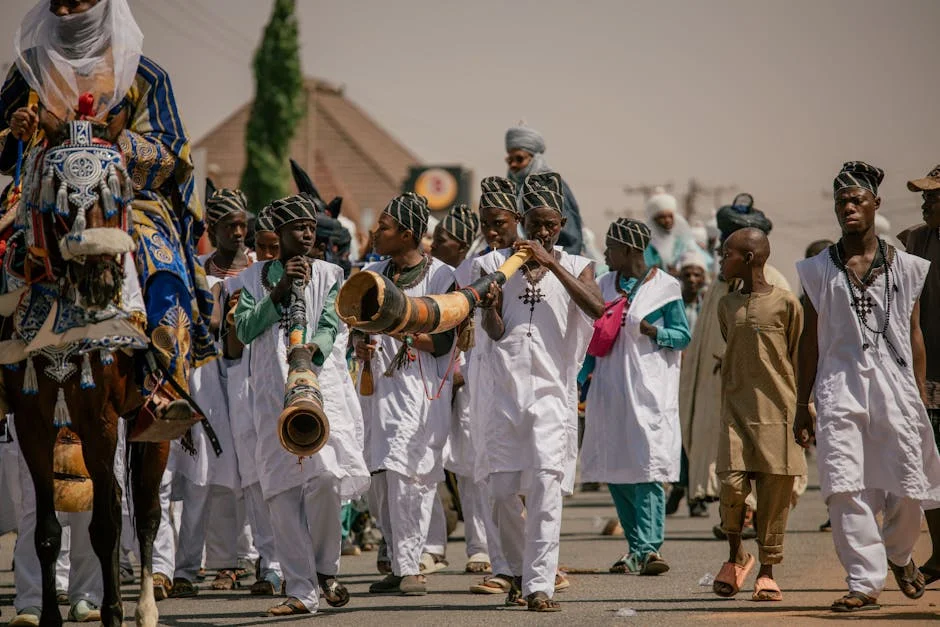
Residents of a small community in Ghana erupted in celebration last week after their favourite club, Aston Villa, secured a decisive victory in the Europa League. The street parade, filled with drums, flags, and local leaders, was more than just a sporting event for the villagers. It highlighted how deeply football is woven into the social and economic fabric of West African communities. This event offers a unique lens through which to examine the broader relationship between sports, community cohesion, and development goals across the continent.
The Power of Local Celebration
The streets of the village in Ghana transformed into a vibrant corridor of colour and sound. Hundreds of residents, from children to elders, marched with banners displaying the Aston Villa crest. Local chiefs and community leaders joined the procession, underscoring the social importance of the win. For many in this community, football is not just a pastime but a primary source of collective identity and pride. The energy on the ground was palpable, reflecting a deep emotional investment in the team's success.
This level of engagement is common across Ghana, a country where football is often described as a second religion. The national team’s historic World Cup appearances have inspired local clubs and fan bases. However, the celebration of a European club like Aston Villa shows the global reach of the sport. It also raises questions about where local attention and resources are directed. While national teams capture headlines, European clubs often dominate the weekly conversation in local pubs and community centres.
Football as a Development Tool
The enthusiasm for Aston Villa in Ghana illustrates the potential of sports to drive community development. Football clubs can serve as platforms for social cohesion, bringing together people from different backgrounds. This unity can translate into economic opportunities, such as local businesses sponsoring teams or hosting match-day events. The European Commission has recognized sports as a key pillar of social inclusion, funding various projects across the continent. In Ghana, local initiatives often leverage football to improve health and education outcomes.
Community Cohesion and Identity
The parade in the Ghanaian village demonstrated how sports can strengthen community bonds. Shared experiences, like a major win, create a sense of belonging and shared purpose. This social capital is crucial for development, as it encourages cooperation and collective action. Community leaders can use these moments to rally support for local projects, such as building new schools or improving infrastructure. The emotional connection to a team like Aston Villa provides a ready-made audience for these initiatives.
However, the focus on foreign clubs can sometimes overshadow local talent. This dynamic raises important questions about the sustainability of local football ecosystems. While supporting European clubs is enjoyable, it may not always directly benefit the local economy. There is a growing debate in Ghana about how to balance global fandom with local development. Community leaders are beginning to explore ways to channel this passion into supporting local leagues and clubs.
Challenges for African Football
The celebration in Ghana also highlights the challenges facing African football. While the continent produces some of the world’s best players, many top talents often leave for European leagues. This "brain drain" can weaken local clubs and leagues, making it harder for them to compete financially and competitively. The Ghana Football Association (GFA) has implemented various strategies to retain talent, including improving facilities and increasing prize money. Despite these efforts, the allure of European clubs remains strong for many players and fans.
The economic disparity between African and European clubs is another significant challenge. European clubs often generate millions in revenue from broadcasting rights, sponsorships, and match-day sales. In contrast, many African clubs struggle with basic infrastructure and inconsistent funding. This gap makes it difficult for African clubs to attract and retain top talent, further widening the competitive divide. Addressing this economic imbalance is essential for the long-term growth of African football.
The Role of European Clubs
European clubs like Aston Villa play a significant role in the global football landscape. Their success in competitions like the Europa League draws attention from fans around the world, including in Ghana. This global reach can be leveraged to promote development projects and strengthen ties with African communities. Some European clubs have established academies and partnerships in Africa to identify and nurture talent. These initiatives can provide valuable opportunities for young players and local communities.
However, the relationship between European and African clubs is not always equitable. Critics argue that European clubs often benefit disproportionately from African talent, while local communities see limited returns. There is a growing call for more transparent and fair partnerships that benefit both sides. This includes better compensation for player transfers and more investment in local infrastructure. European clubs have a responsibility to ensure that their engagement with Africa contributes to sustainable development.
Opportunities for Growth
Despite the challenges, there are significant opportunities for growth in African football. The continent’s young and passionate fan base presents a lucrative market for sponsors and broadcasters. Digital platforms are also making it easier for African fans to engage with their favourite teams, both local and international. This increased engagement can drive revenue growth and improve the quality of the product on the pitch. The Ghana Premier League, for instance, has seen increased viewership and sponsorship deals in recent years.
Investment in infrastructure is another key area for growth. Modern stadiums, training facilities, and youth academies can significantly improve the quality of African football. The African Union has identified sports as a priority area for development, with several initiatives aimed at improving infrastructure across the continent. These investments can also create jobs and stimulate local economies, providing a multiplier effect for community development. The potential for growth is immense, but it requires coordinated effort and sustained investment.
Policy and Governance
Effective governance is essential for the long-term success of African football. Strong institutions can ensure transparency, accountability, and strategic planning. The Ghana Football Association has made significant strides in improving governance, but there is still room for improvement. This includes strengthening financial management, enhancing player welfare, and improving communication with fans and stakeholders. The African Football Confederation (CAF) also plays a crucial role in setting standards and coordinating development efforts across the continent.
Policy makers in Ghana and across Africa need to view football as more than just a sporting activity. It is a powerful tool for social and economic development. This requires integrating football into broader development strategies, leveraging its potential to drive growth and cohesion. This includes investing in grassroots programs, supporting local leagues, and fostering partnerships with international clubs and organizations. A holistic approach to football governance can unlock the full potential of the sport for African development.
Looking Ahead
The celebration in Ghana serves as a reminder of the power of football to unite and inspire. As the continent continues to grow, the role of sports in development will become increasingly important. Stakeholders must work together to harness this potential, ensuring that the benefits of football are shared broadly. This includes addressing the economic disparities, improving governance, and investing in infrastructure. The future of African football is bright, but it requires sustained effort and strategic vision.
Readers should watch for upcoming policy announcements from the Ghana Football Association and the African Union regarding sports development. These initiatives could significantly impact the landscape of African football in the coming years. The next few months will be critical in determining how effectively the continent can leverage its sporting passion for broader development goals. The parade in Ghana was just the beginning of a larger conversation about the future of football in Africa.
See Also
- David Masondo defends black pensions: why it’s not anti-black but essential for growth
- Starmer Pushes UK to Strengthen EU Ties Amid Iran Tensions
What is the latest news about ghanaian village parade exposes deep football ties to african development?
Why does this matter for politics-governance?
What are the key facts about ghanaian village parade exposes deep football ties to african development?