Royal Air Maroc has suspended service on twelve key international routes, a direct result of soaring global fuel prices that are squeezing the national carrier's balance sheet. The announcement, confirmed by the airline's executive board this week, marks one of the most aggressive schedule cuts in North Africa's aviation sector in recent years. This move sends shockwaves through the continent's travel networks, highlighting the fragile state of African air connectivity.
The suspension affects destinations across Europe, the Middle East, and the Americas, forcing thousands of passengers to rethink their travel plans. For a country that prides itself on being a bridge between Africa and the world, this reduction in capacity represents a tangible setback. The airline cited the "unprecedented volatility" of jet fuel markets as the primary driver, noting that hedging strategies are no longer sufficient to buffer against daily price spikes.
Strategic Retreat to Preserve Liquidity
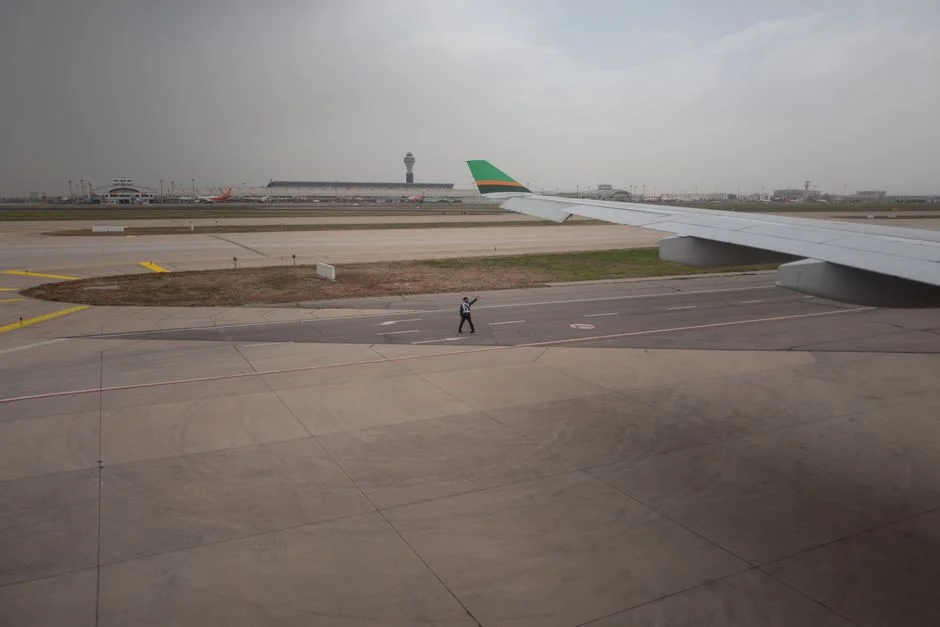
Royal Air Maroc made the difficult decision to prioritize its high-yield European corridors while shedding less profitable long-haul legs. The carrier will maintain its core services to Paris, London, and Brussels, which generate the bulk of its foreign currency earnings. However, routes to secondary cities in Spain, Italy, and France will see reduced frequency or total suspension depending on the quarter. This strategic retreat aims to stop the bleeding in the airline's operating expenses.
Management told reporters that the cost of AvGas has risen by nearly thirty percent over the last six months, eroding profit margins to single-digit figures. The airline cannot absorb these costs indefinitely without raising ticket prices, which risks alienating price-sensitive African travelers. By cutting the twelve routes, Royal Air Maroc estimates it will save millions of dirhams in fuel and landing fees annually. This financial breathing room is essential for the carrier to fund fleet modernization and maintain its rating.
Impact on Key Corridors
The suspended routes include several vital connections that link Morocco with emerging markets. Flights to cities like Houston, Atlanta, and Montreal will be paused, disrupting the diaspora travel flows that are critical for remittance income. These long-haul flights have historically been the most vulnerable to fuel price shocks due to their distance and weight requirements. The loss of these direct links forces passengers to connect through larger hubs in London or Paris, adding time and cost to their journeys.
European connections also face disruption, with several regional Spanish and Italian destinations losing their direct link to Casablanca. Travelers who relied on these shortcuts will now face longer layovers and higher fares on competing carriers. The airline stated that it will review the schedule monthly, meaning some routes could return if fuel prices stabilize. Until then, passengers should expect limited availability and potential last-minute cancellations on these affected paths.
The Fuel Cost Crisis Across Africa
The struggles of Royal Air Maroc are not isolated incidents but reflect a broader continental challenge. African airlines are among the most fuel-intensive in the world, partly due to aging fleets and less efficient air traffic management systems. When global oil prices rise, the impact on African carriers is often more severe than on their European counterparts because they have less pricing power. This structural weakness makes it difficult for African airlines to compete on price and frequency.
Infrastructure deficits further exacerbate the problem. Many African airports lack the fuel storage capacity to bulk-buy when prices dip, forcing airlines to pay premium rates. Additionally, the high cost of landing fees and navigation charges in various African countries eats into the savings airlines might make on fuel. The African Civil Aviation Commission has long argued for a more harmonized approach to fuel taxation and storage across the continent to reduce these overheads.
Royal Air Maroc's decision highlights the urgency of modernizing African aviation infrastructure. Without newer, more fuel-efficient aircraft like the Airbus A320neo or Boeing 737 MAX, older planes will continue to burn more fuel per passenger. The airline has begun a phased retirement of its older Boeing 787s and Airbus A330s, but the transition takes time and capital. Until the fleet is fully updated, fuel will remain the largest single expense for the carrier.
Implications for Pan-African Connectivity
The suspension of these routes undermines the goals of the African Continental Free Trade Area (AfCFTA), which relies on seamless air connectivity to boost intra-African trade. If passengers and cargo cannot move efficiently between African hubs and global markets, the economic benefits of the AfCFTA will be diluted. Royal Air Maroc has traditionally served as a key connector for travelers moving from West and Central Africa to Europe, and any disruption to this flow has ripple effects across the region.
Cargo operations are also likely to feel the pinch. Many African exporters rely on passenger flights to move high-value, time-sensitive goods like fresh produce and pharmaceuticals. If the airline reduces the frequency of its flights, cargo capacity shrinks, forcing exporters to pay higher rates or wait longer for their goods to reach markets. This can hurt the competitiveness of African exports in European supermarkets and hospitals.
The development also raises questions about the sustainability of African airline subsidies. Many carriers, including Royal Air Maroc, benefit from government support, but these subsidies are often tied to specific route networks. If the government wants to keep certain routes open, it may need to increase its financial commitment, or risk seeing those routes disappear entirely. This creates a political dilemma: do you subsidize the airline to keep connectivity, or let market forces decide which routes survive?
Competitive Pressures from European Carriers
As Royal Air Maroc pulls back, European low-cost carriers and legacy airlines are poised to fill the gap. Companies like Air France, Lufthansa, and even budget airlines like Ryanair and EasyJet are expanding their African footprints. These carriers often have access to cheaper fuel through larger hedging pools and more efficient operational models. They can afford to lower prices to capture market share, putting additional pressure on Royal Air Maroc.
This competition is not entirely bad for the consumer, as it can lead to lower fares and better service. However, it also threatens the market dominance of the Moroccan carrier, which has long been the gatekeeper to North Africa. If European airlines establish direct links between African cities and European destinations, bypassing Casablanca, the hub status of Morocco could be challenged. This shift would have profound implications for the airport's revenue and the surrounding logistics sector.
Royal Air Maroc must respond by improving its customer experience and on-time performance. African travelers are increasingly savvy and willing to switch airlines if the value proposition is right. The airline has invested in digital check-in, mobile apps, and lounge upgrades, but these improvements must be sustained to keep passengers loyal. In a competitive market, service quality can be just as important as price.
Pathways to Aviation Resilience
To build resilience against future fuel shocks, African airlines need to diversify their revenue streams. This includes expanding cargo operations, offering more flexible booking options, and partnering with tourism boards to drive passenger numbers. Royal Air Maroc has already started to leverage its membership in the SkyTeam alliance to offer more seamless connections for global travelers. This strategic partnership allows the airline to tap into a broader network without having to fly every route itself.
Investment in sustainable aviation fuel (SAF) is another long-term solution. While SAF is currently more expensive than traditional jet fuel, it offers a way to reduce carbon emissions and potentially lock in prices through long-term contracts. Several African airlines have begun testing SAF blends, and as production scales up, costs are expected to decrease. This transition could help African carriers meet global environmental targets while managing fuel expenses.
Government support also plays a crucial role. Policymakers in Morocco and across Africa should consider tax incentives for airlines that invest in fuel-efficient aircraft or adopt green technologies. Reducing airport charges and streamlining visa processes can also make African destinations more attractive to international travelers, boosting demand and helping to offset high fuel costs. A coordinated continental approach to aviation policy could help African airlines compete more effectively on the global stage.
What Travelers Should Watch Next
Passengers traveling on the affected routes should monitor the Royal Air Maroc website for updates on flight status and ticket pricing. The airline has promised to notify booked passengers via email and SMS, but delays in communication are common during major schedule changes. It is advisable to check in early and consider travel insurance that covers schedule disruptions. If you are planning a trip in the next three months, book early to secure the best fares before further adjustments are made.
Industry analysts will be closely watching the next quarterly earnings report from Royal Air Maroc to see how these route cuts impact revenue. If the savings from fuel efficiency outweigh the loss of ticket sales, the airline may announce further expansions in the second half of the year. Conversely, if fuel prices continue to climb, more routes could be at risk. The coming months will be critical in determining the long-term viability of the airline's current strategy.
The broader aviation sector in Africa will also be observing this move to see if other carriers follow suit. Ethiopian Airlines, Kenya Airways, and South African Airways are all facing similar fuel cost pressures. If Royal Air Maroc's model proves successful, other airlines may adopt similar route optimization strategies. This could lead to a reshaping of the African air travel landscape, with fewer routes but higher frequency on key corridors. Keep an eye on announcements from these major carriers over the next quarter for signs of a continental trend.
See Also
- Nigeria Opens Accra Camp Ahead of African Athletics Championships
- Singapore Expands Mental Health Care as GPs Gain New Powers