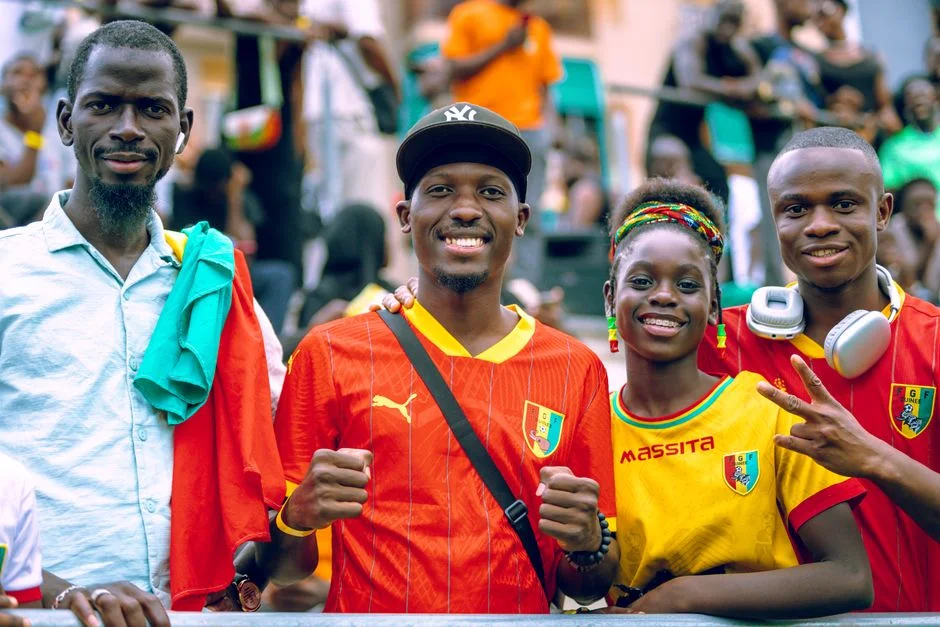
Madeleine Nseke Sissako is quietly constructing something Cameroon has never seen before. She is assembling a generation of female cricketers that insiders already call the nation's answer to Roger Milla's football revolution four decades ago.
A New Chapter for Cameroonian Sport
Nseke Sissako works from a modest office in Yaoundé, but her ambitions stretch far beyond the Cameroonian capital. As the figurehead of the national women's cricket programme, she has spent the past five years identifying talent in remote communities where the sport has never reached. The analogy to Milla, Cameroon's legendary footballer who electrified the 1990 World Cup, is deliberate. She wants her players to feel the same weight of national expectation and pride.
The programme currently trains 340 registered players across six regional centres. Numbers that would have seemed impossible in 2018 when cricket remained largely unknown outside Expatriate communities in Douala and Yaoundé. Cameroon is now one of twelve African nations competing for a handful of spots at the next ICC Women's T20 World Cup qualifiers.
Building From Scratch
Nseke Sissako did not inherit a ready-made structure. She built one. Equipment arrived in sporadic shipments from development programmes. Coaching manuals came in English when most of her early recruits spoke only French. Grounds were borrowed from football clubs who viewed cricket as an oddity.
She recruited coaches from Uganda and Kenya, countries with established women's cricket programmes, to accelerate training. Local officials in the sports ministry initially struggled to understand why a central African nation with no cricket heritage should invest resources in the sport. Nseke Sissako spent months filing proposals and attending committee meetings before securing her first government grant in 2021.
Overcoming Infrastructure Gaps
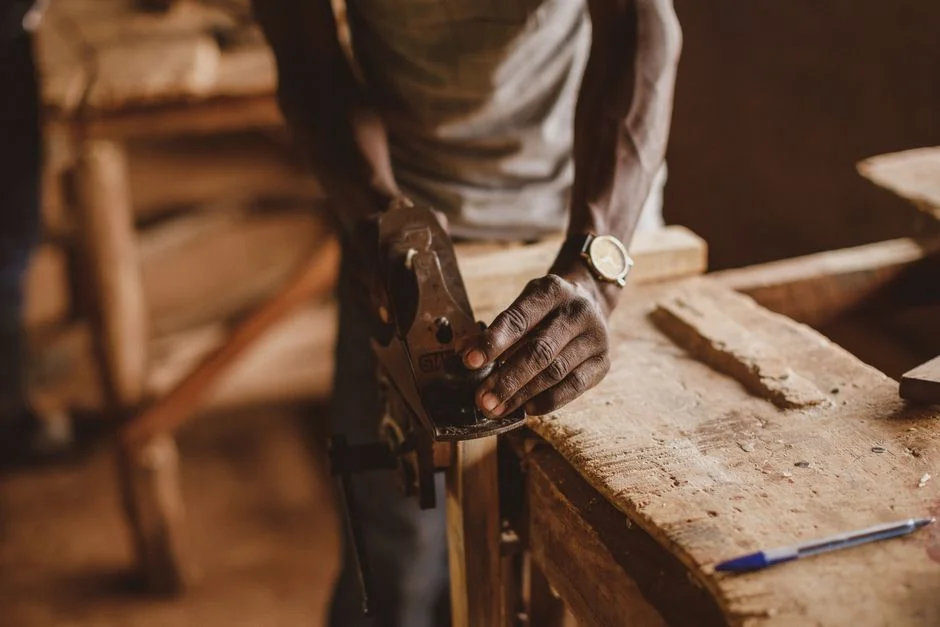
Practice facilities remain basic by international standards. The national training ground in Yaoundé lacks the turf wickets standard in Test-playing nations. During rainy season, sessions are often cancelled because flooded grounds make bowling practice impossible. Equipment shortage means players share bats and protective gear, limiting the amount of time individuals can spend honing techniques.
Yet the programme has produced results. Three Cameroonian women earned contracts with franchise teams in the South African Women's T20 League this season, a breakthrough that would have seemed fantastical five years ago. Those contracts bring revenue into the programme and raise the profile of women's cricket across the Central African region.
The Roger Milla Reference
Football dominates Cameroonian sporting culture. Milla became a national icon not simply because he scored goals, but because he showed the world that African talent belonged on the biggest stages. Nseke Sissako draws that parallel explicitly when speaking to her players. She tells them they carry the same responsibility: to prove Cameroon belongs in conversations about global sport.
The comparison also carries strategic weight. Sports ministry officials who might otherwise dismiss cricket funding respond differently when the programme is framed as a national project rather than an niche pursuit for a handful of enthusiasts. Milla's legacy provides a language that resonates with decision-makers who grew up watching him play.
The Cameroon Cricket Federation now lists Nseke Sissako as its development director, a title that formalises her influence over both women's and youth cricket strategy. She has used that position to negotiate partnerships with cricket boards in England and Australia, securing coaching expertise and equipment donations that have sustained the programme through lean budget years.
Regional Context and Competition
Cameroon enters this phase of development at a moment when African women's cricket is becoming more competitive. Uganda and Kenya have long dominated the continent's qualifiers, but Zimbabwe, Namibia, and Tanzania have all invested significantly in women's programmes over the past three years. The ICC has increased funding for emerging nations, creating opportunities for countries willing to commit resources.
Nseke Sissako monitors developments across the region carefully. She attended the 2023 ICC Women's T20 World Cup Africa Qualifier in Kigali, studying how Uganda's programme operates and identifying techniques she could adapt for Cameroon's context. Rwanda's progress also caught her attention. A nation with no cricket tradition of its own built a competitive programme within six years.
The cross-border dimension matters. Young Cameroonian women who have experienced discrimination for pursuing cricket hear about peers in Uganda earning international caps. Those success stories create aspirational pathways that did not exist when Nseke Sissako started her work.
What Comes Next
Cameroon will host its first international women's cricket tournament in March, welcoming teams from Nigeria, Ghana, and Sierra Leone for a five-day competition. The event represents the largest single gathering of cricketers on Central African soil. Nseke Sissako regards it as a credibility test. Success means her programme can attract better sponsorship deals and government support. Poor performance gives critics ammunition to demand reallocation of resources.
She is already looking beyond the March tournament. The next ICC funding cycle opens in June, and she has drafted a proposal requesting investment in three new regional training centres. If approved, those centres would bring cricket within reach of players who currently travel more than 200 kilometres to attend sessions.
The question now is whether Cameroon can sustain momentum. Nseke Sissako has delivered results where sceptics expected failure. The March tournament will determine whether the programme has established genuine foundations or merely produced a temporary surge of interest. She knows the scrutiny will intensify. She seems to welcome it.
See Also
- Gunmen Storm Ogbomoso Immigration Office — Escape with Police Firearms
- Approval Given for 3G Pitch Despite Pollution Concerns in Lagos - What It Means for Nigerian Development