Mexico will host matches at the 2026 FIFA World Cup with ticket prices that have reached the highest levels ever recorded for a host nation, according to pricing data released by football's governing body. Fans seeking to attend matches in Mexican cities face costs that outpace every previous World Cup tournament, including events held in Germany, Brazil, and South Africa. The price surge reflects a combination of venue capacity constraints and FIFA's commercial strategy for its flagship tournament.
Ticket Categories and Price Points
FIFA has structured 2026 World Cup tickets into three main categories, with Category One seats in Mexico City and Guadalajara commanding premium rates that exceed what fans paid at the 2022 tournament in Qatar. The organisation confirmed that individual match tickets for group stage games in Mexico start significantly higher than the equivalent category at the 2010 World Cup in South Africa, where early-bird pricing attracted criticism from local supporters. Hospitality packages, which include food, beverages, and premium seating, have been priced at levels that local fan groups say put the tournament out of reach for many Mexican households.
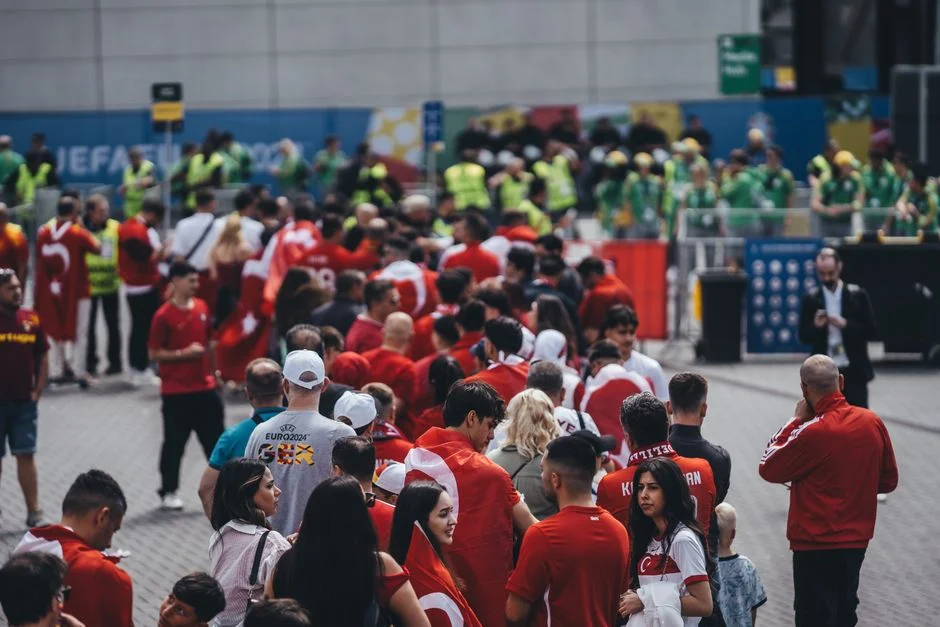
Group stage matches will take place across three Mexican host cities: Mexico City, Guadalajara, and Monterrey. Each venue offers different pricing tiers based on anticipated demand and stadium capacity. The iconic Estadio Azteca in Mexico City, which will host knockout round matches including a potential quarter-final, carries the highest prices of any Mexican venue. Local officials have acknowledged the challenge of balancing international fan access with affordable options for domestic supporters who have waited decades for another World Cup on home soil.
Comparison With Previous Host Nations
The pricing structure places Mexico firmly above every previous World Cup host when adjusted for category placement. In South Africa during 2010, Category One tickets for group matches sold for roughly 140 dollars at the official exchange rate of that period. The equivalent tickets for Mexico 2026 group games now start considerably above that figure, with some reaching nearly double the South African rate depending on the fixture. FIFA has pointed to inflation in global sporting events and the expanded 48-team format as factors contributing to the increase, though critics note that pricing has grown faster than general economic conditions in host countries.
Japan and South Korea, co-hosts of the 2002 tournament, maintained relatively accessible pricing for their domestic fans, a strategy that drew praise but also resulted in significant secondary market activity as international fans sought tickets. Mexico's approach appears to prioritise revenue generation over broad accessibility, a policy that has drawn fire from fan organisations representing supporter groups across the three host nations. The Mexican Football Federation has publicly urged FIFA to reconsider certain pricing tiers, particularly for families and younger supporters.
FIFA's Commercial Strategy Under Scrutiny
The organisation has faced mounting pressure from fan groups and government officials in all three host nations. In Canada, where ticket prices also rank among the highest ever for a World Cup, the federal tourism minister publicly expressed concern that the cost could undermine legacy engagement with football. The United States, which will host the majority of matches, has seen similar pushback from congressional representatives who argue that FIFA should do more to ensure accessible pricing for American fans. The tension between FIFA's commercial interests and the tournament's public popularity has emerged as a defining issue in the build-up to the 2026 event.
Impact on Local Fans and Tourism
For many Mexican fans, the prospect of attending World Cup matches in their own country has collided with financial reality. Survey data from local sports organisations indicates that a significant majority of respondents considered the current ticket prices prohibitive for family attendance. Hotels and travel operators in Mexico City, Guadalajara, and Monterrey have already raised prices in anticipation of international demand, compounding the cost burden for domestic supporters. Some fan collectives have announced plans to organise communal viewing events rather than attend matches in person, a response that mirrors behaviour observed at previous high-cost tournaments.
International tourist arrivals are expected to offset some domestic disappointment. Travel operators report strong booking numbers from the United States, Argentina, and several European nations, suggesting that stadium attendance will remain robust despite local accessibility concerns. The Mexican tourism ministry has projected that World Cup-related travel will generate substantial revenue for host cities, though the distribution of economic benefits has drawn debate about who ultimately profits from the tournament.
Accessibility Initiatives and Resale Markets
FIFA has defended its pricing strategy by pointing to a series of accessibility initiatives, including reduced-price tickets for residents of host nations and specific allocations for young people and disability access. The organisation confirmed that 40 percent of tickets will be allocated through these special categories, though critics argue the definition of "affordable" varies dramatically depending on economic context. In Mexico, where median household income falls well below United States and European levels, even discounted tickets represent a significant financial commitment for many families.
The secondary resale market is expected to thrive, as it has at every recent World Cup. Platforms authorised by FIFA will allow ticket transfers at prices above face value, creating pathways for fans priced out of primary sales to potentially access matches through indirect channels. However, the legitimacy and safety of secondary market purchases has remained a persistent concern, with thousands of fans losing money to fraudulent ticket operations at previous tournaments.
What Happens Next for Fans
The next major ticket release window is scheduled to open within the coming months, with additional inventory made available for matches that have not yet sold out. FIFA has indicated that some pricing adjustments may occur based on demand patterns, though the organisation has not committed to reductions. Fans in Mexico and around the world should monitor official FIFA channels for verification deadlines and travel documentation requirements, as host country visa policies continue to take shape. The debate over tournament accessibility is unlikely to resolve before the first match kicks off, making affordability a defining storyline in the run-up to the 2026 World Cup.
See Also
- Kimbrel Wines Invests €10 Million in Douro - A Boost for Africa's Wine Ambitions
- Ghana Signs Growth Partnership with UK — Education and Jobs at the Centre
Survey data from local sports organisations indicates that a significant majority of respondents considered the current ticket prices prohibitive for family attendance. Travel operators report strong booking numbers from the United States, Argentina, and several European nations, suggesting that stadium attendance will remain robust despite local accessibility concerns.