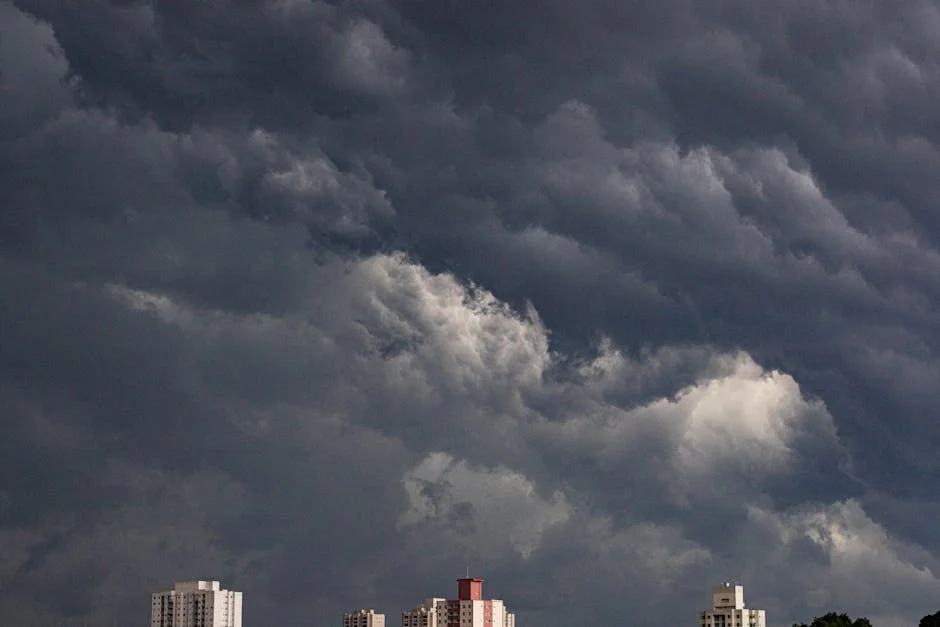
Extreme weather systems are reshaping the global climate landscape, with hurricanes and typhoons demonstrating increased intensity and unpredictability. These atmospheric phenomena, driven by warming ocean temperatures and shifting wind patterns, pose a direct threat to infrastructure, agriculture, and public health across the continent. For African nations striving to achieve sustainable development, understanding the mechanics of these storms is no longer a scientific curiosity but an economic imperative.
The formation of these powerful cyclones begins with warm, moist air rising from the ocean surface. This rising air creates an area of low pressure below, drawing in surrounding air and creating a feedback loop. As the system rotates and strengthens, it can evolve into a hurricane in the Atlantic or a typhoon in the Pacific. The energy source for these giants is primarily sea surface temperature, which has risen steadily over the last decade.
Understanding the Mechanics of Storm Formation
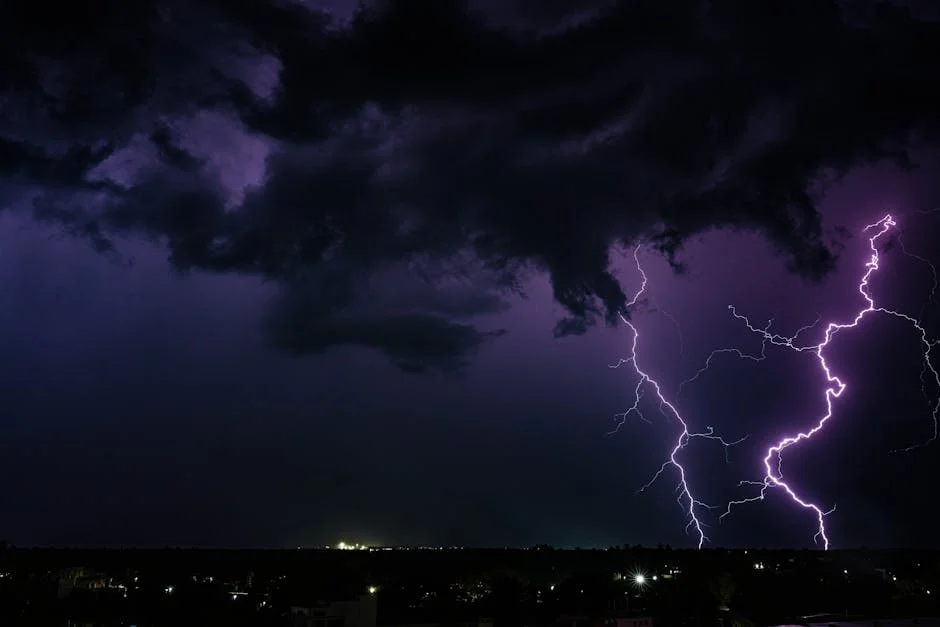
At the heart of every hurricane or typhoon is a thermodynamic engine. Warm air rises, cools, and condenses into clouds and rain, releasing heat that fuels further ascent. This process creates a rotating column of air that tightens as it moves over warm waters. The Coriolis effect, caused by the Earth's rotation, gives the storm its characteristic spin. Without sufficient warmth and moisture, the system often dissipates before reaching landfall.
However, the conditions required for storm genesis are changing. Sea surface temperatures in the Atlantic and Pacific have exceeded historical averages, providing more fuel for developing systems. The Intergovernmental Panel on Climate Change (IPCC) has confirmed that warmer oceans lead to higher evaporation rates, increasing the water vapor content in the atmosphere. This additional moisture translates directly into heavier rainfall and more intense wind speeds during peak storm activity.
Climate Change as a Force Multiplier
Climate change does not necessarily create more storms, but it significantly intensifies those that do form. Warmer air can hold more moisture, leading to heavier precipitation events that overwhelm drainage systems and cause flooding. Rising sea levels exacerbate storm surges, pushing water further inland and increasing coastal erosion. These factors combine to create compound disasters that strain emergency response capabilities.
The speed at which storms move is also changing. Some systems are stalling, dumping rain in one location for extended periods, while others accelerate rapidly, catching communities off guard. This variability makes traditional forecasting methods less reliable. Meteorologists in Lagos and Nairobi are increasingly relying on satellite data and computer modeling to predict these erratic behaviors. The uncertainty adds a layer of complexity to urban planning and infrastructure development across the continent.
Direct Impacts on African Infrastructure
African infrastructure is particularly vulnerable to extreme weather events. Many cities are expanding rapidly, often without comprehensive drainage systems or resilient building codes. When a storm hits, roads flood, power grids fail, and hospitals lose supply chains. The economic cost of these disruptions is high, diverting funds from education and healthcare to immediate repair efforts. This cycle hinders long-term economic growth and stability.
Consider the case of coastal regions in West Africa. Storm surges can inundate ports, disrupting trade and logistics. In East Africa, heavy rains can wash away bridges and roads, isolating rural communities. The World Bank estimates that climate-related disasters could push millions of Africans into poverty by 2030 if adaptation measures are not accelerated. This projection underscores the need for targeted investment in resilient infrastructure.
Agricultural Vulnerability and Food Security
Agriculture is the backbone of many African economies, yet it remains highly sensitive to weather patterns. Droughts and floods can decimate crop yields, leading to price spikes and food insecurity. For smallholder farmers, a single bad season can mean losing their primary source of income. Climate change increases the frequency of these extreme events, making farming a riskier endeavor. This instability threatens national food supplies and regional trade balances.
In the Sahel region, shifting rainfall patterns are already affecting millet and sorghum production. Farmers are forced to adapt by changing planting dates or switching to more resilient crop varieties. However, access to information and resources remains uneven. Governments and international organizations are working to introduce early warning systems and drought-resistant seeds. These interventions are critical for maintaining food security in a changing climate.
Health Consequences of Extreme Weather
The health impacts of storms extend beyond immediate injuries. Flooding creates breeding grounds for mosquitoes, increasing the risk of malaria and dengue fever. Contaminated water supplies lead to outbreaks of cholera and typhoid. Mental health also suffers, as communities deal with displacement and loss. These health burdens strain already stretched healthcare systems, reducing overall productivity. Addressing these risks requires integrated health and climate strategies.
In urban centers like Kinshasa and Addis Ababa, slum areas are particularly susceptible to flooding and disease. Poor sanitation and limited access to clean water exacerbate the situation. Public health officials are calling for improved infrastructure and better waste management. These measures are essential for reducing the health burden associated with extreme weather events. Without them, the continent faces recurring health crises that hinder development progress.
Economic Costs and Investment Gaps
The economic toll of extreme weather is substantial. According to the African Development Bank, Africa loses approximately $14 billion annually to climate-related disasters. This figure represents a significant portion of the continent's GDP. Much of the funding comes from external aid, which can be unpredictable. Domestic investment in climate resilience remains low, leaving many countries vulnerable to repeated shocks. This gap in funding slows down adaptation efforts and prolongs recovery times.
Investing in resilient infrastructure offers a strong return on investment. For example, elevating roads or building sea walls can protect valuable assets and reduce future repair costs. Insurance markets are also growing, offering more options for businesses and households to manage risk. However, penetration rates remain low, especially in rural areas. Expanding access to financial tools is key to enhancing economic stability. Governments must create favorable policies to encourage private sector participation in climate adaptation.
Pan-African Strategies for Resilience
African nations are increasingly collaborating to address shared climate challenges. The African Union has launched initiatives to promote green energy and sustainable land management. Regional bodies are coordinating early warning systems and disaster response mechanisms. These efforts aim to reduce vulnerability and enhance adaptive capacity. By working together, countries can share knowledge and resources more effectively. This pan-African approach is essential for tackling a continental problem.
Innovation plays a crucial role in building resilience. African entrepreneurs are developing solutions ranging from solar-powered irrigation to mobile-based weather forecasting apps. These innovations are empowering communities to make informed decisions. Support for local startups and research institutions can accelerate the adoption of these technologies. Governments should foster an environment that encourages experimentation and scaling. This focus on homegrown solutions ensures that adaptations are context-specific and sustainable.
What to Watch Next
The upcoming COP28 climate summit will be a critical moment for African nations to secure funding and commitments. Leaders are pushing for a loss and damage fund to compensate for climate impacts. Monitoring the progress of this fund will be essential for understanding the financial landscape for adaptation. Additionally, national adaptation plans are being updated across the continent. These documents will outline specific actions and timelines for building resilience. Readers should track the implementation of these plans to gauge progress. The next five years will be decisive in determining how well Africa can withstand intensifying storms.
See Also
- Congo Fishermen Swap Nets for Plastic — The Economic Shift
- Nigeria's Smartcomply Expands to the UK with AML Platform Launch
What is the latest news about climate change intensifies storms africa faces urgent development risk?
Why does this matter for environment-nature?
What are the key facts about climate change intensifies storms africa faces urgent development risk?