Across Africa's 54 nations, a seismic shift is underway that economists say will define the next half-century. More than 60 percent of the continent's population is under the age of 25, creating a demographic wave that is already reshaping labour markets, consumer patterns, and geopolitical calculations from Lagos to Johannesburg.
Tsakane Zibi, a development economist based in Nairobi, has spent the past decade studying how this youthful population will transform African economies. "We are not just talking about numbers," Zibi told reporters during a recent conference in the Kenyan capital. "We are witnessing the emergence of the world's largest working-age population, and the rest of the world is starting to pay attention."
The Numbers Behind the Trend
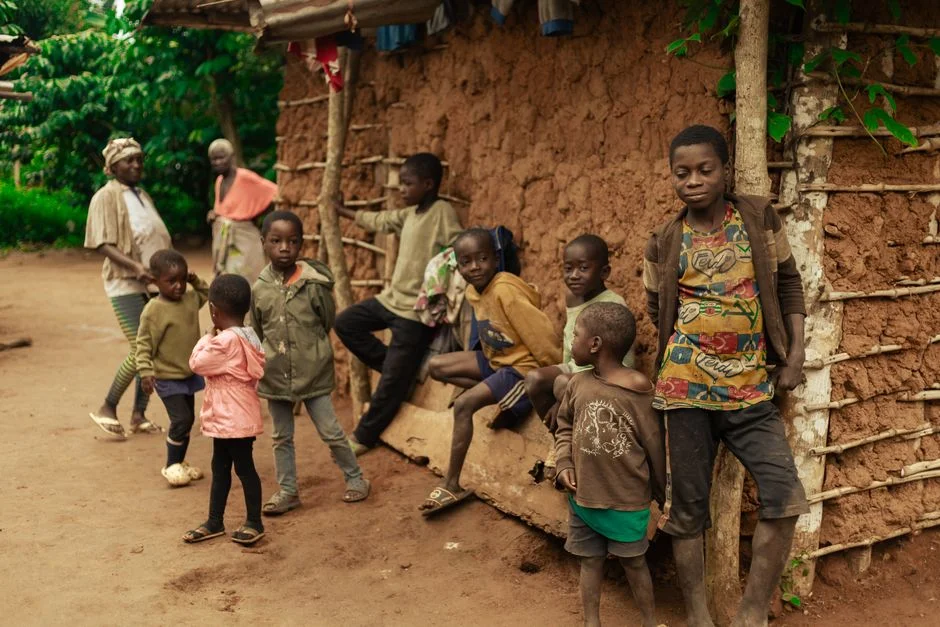
Africa's population stands at approximately 1.4 billion people, with a median age of just 19 years. By comparison, the median age in Europe is 44 and in North America it is 38. This generational gap has profound implications for economic growth, innovation capacity, and global competitiveness.
Barloworld Equipment, a major supplier of industrial machinery across Southern Africa, recently commissioned a study on workforce demographics in the mining and construction sectors. The findings showed that companies with younger workforces reported 23 percent higher productivity growth over five-year periods compared to those with aging employees. "The energy and adaptability of young workers is measurable," the company's regional director stated in the report.
Economic Opportunities Emerging
The rise of Africa's youth population carries significant economic promise. With the right investments in education and infrastructure, the continent could harness a demographic dividend similar to what East Asian economies achieved in the 1980s and 1990s. Africa's working-age population is projected to reach 1.1 billion by 2035, surpassing both China and India in available labour.
Mobile technology adoption among young Africans has outpaced many developed markets. In Nigeria, for instance, smartphone penetration among adults under 35 exceeds 78 percent. This digital fluency is creating new avenues for entrepreneurship, with fintech, e-commerce, and digital services startups attracting billions in investment.
Challenges That Cannot Be Ignored
Yet the promise remains unfulfilled for millions. Unemployment rates among African youth hover around 12 percent continent-wide, but in South Africa's major urban centres, the figure exceeds 30 percent. Without adequate job creation, the demographic advantage could become a liability, fuelling social unrest and migration pressures.
Education systems across the region continue to struggle with quality and relevance. A 2023 African Development Bank assessment found that only 41 percent of graduates from Sub-Saharan African universities possessed skills deemed adequate by employers. Bridging this gap requires urgent reform of curricula and massively expanded vocational training programmes.
Global Investment Flows Respond
International capital is adjusting its posture. Sovereign wealth funds from the Gulf states have increased infrastructure investments in East and West Africa by an estimated $8.7 billion over the past three years. Technology multinationals are establishing research centres in Nairobi, Lagos, and Cape Town, drawn by the promise of young, tech-savvy talent pools.
Chinese investment patterns are also shifting. While infrastructure projects continue, Beijing has announced plans to establish 20 technology cooperation zones across Africa by 2030, explicitly targeting collaboration with young entrepreneurs in artificial intelligence, renewable energy, and digital finance.
Governance and Policy Pressures
African governments face mounting pressure to deliver results. Young voters constitute the largest bloc in most democracies south of the Sahara, and political parties are scrambling to craft credible youth employment pledges. In Uganda, the government launched a national internship programme placing 50,000 graduates annually in private sector positions. Kenya has introduced tax incentives for companies that hire first-time workers under the age of 25.
Corruption and weak institutions remain persistent obstacles. A Transparency International survey conducted across 12 African nations found that 67 percent of respondents aged 18 to 35 believed their countries' public institutions were either "mostly" or "completely" corrupt. Rebuilding trust requires demonstrable progress on anti-corruption enforcement and transparent public spending.
What Happens Next
The continent stands at a crossroads. The choices made in the next decade will determine whether Africa's youth bulge becomes an engine of prosperity or a source of instability. Investment in secondary education must triple by 2030 to meet projected demand. Healthcare spending requires expansion to address the disease burden that limits workforce productivity.
The African Continental Free Trade Area, now in its fourth year of implementation, offers a framework for creating the integrated market that could absorb millions of young job seekers. But tariff reductions alone are insufficient. Physical connectivity through roads, railways, and digital infrastructure must follow.
Zibi remains cautiously optimistic. "The demographic window is open, but it will not stay open forever. Africa has perhaps two decades to capitalise on this moment before aging populations in other regions create competing pressures. Every year of inaction narrows the options."
Watch for the African Union's upcoming Youth Employment Summit scheduled for April in Addis Ababa, where continental leaders will present national youth employment compacts for the first time.
See Also
- Sellfy Review 2022: How Good Is This Ecommerce Platform?
- Nigeria Bans Die Imports — and Prices Are Already Rising
What is the latest news about why africas youth population is becoming the worlds most valuable asset?
Why does this matter for economy-business?
What are the key facts about why africas youth population is becoming the worlds most valuable asset?