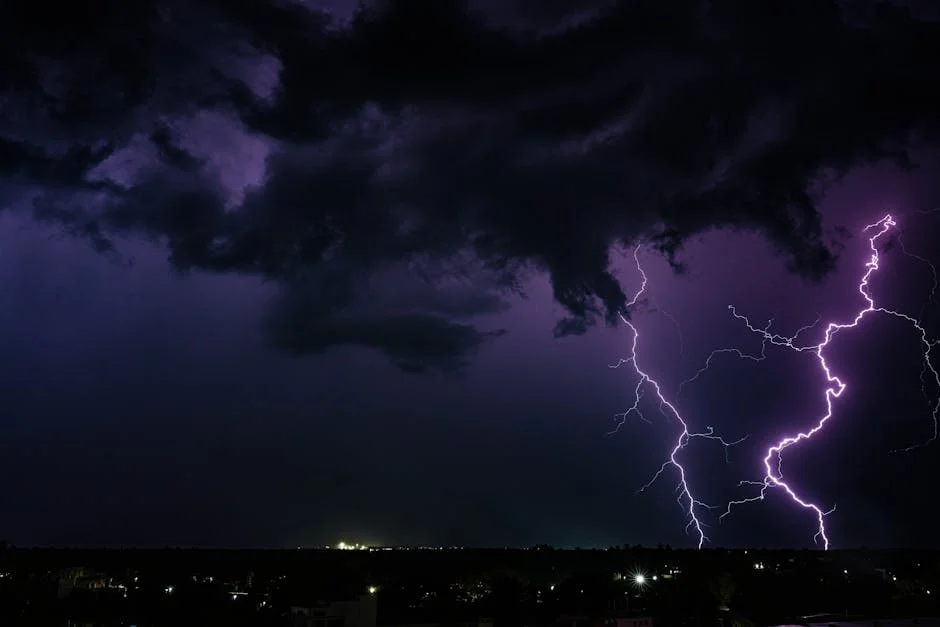
Nigeria's vulnerability to severe weather is escalating. A recent study from the Nigerian Meteorological Agency (NiMET) reveals that climate change is intensifying the strength and frequency of hurricanes and typhoons globally, posing significant risks for coastal regions. The report highlighted that Nigeria could experience up to a 20% increase in storm-related impacts in the next decade if current trends continue.
Understanding Hurricane Formation
Hurricanes, or tropical cyclones, form over warm ocean waters, typically when sea surface temperatures reach 26.5°C (approximately 80°F). This warm water evaporates, creating moist air that rises and cools, leading to the formation of clouds and storms. The Coriolis effect, caused by the Earth's rotation, helps these storms gain strength as they swirl counter-clockwise in the northern hemisphere.
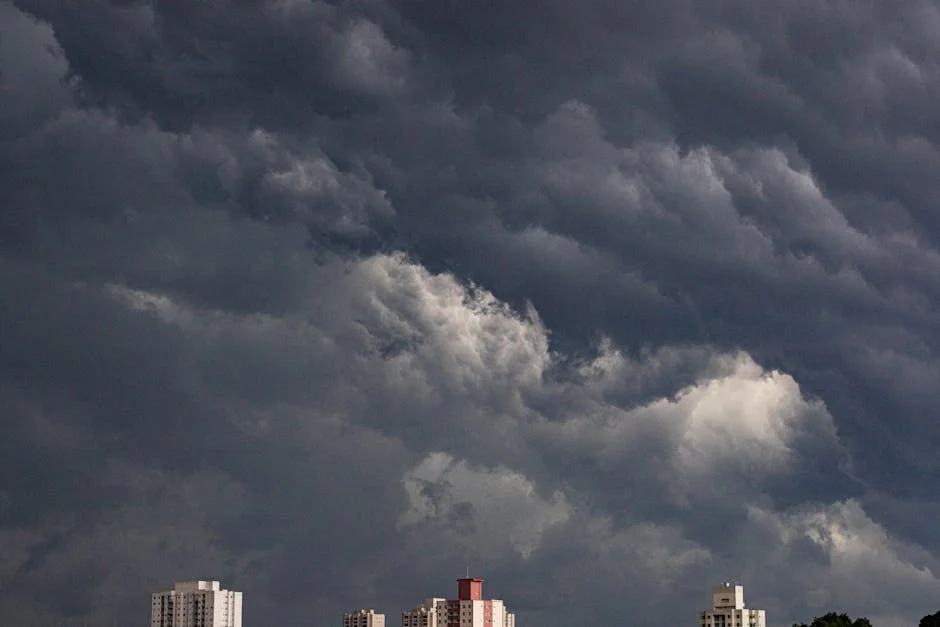
In Nigeria, such weather phenomena can lead to devastating outcomes, especially when considering the country's extensive coastline and significant population density in coastal cities like Lagos. NiMET's analysis indicates that the likelihood of hurricanes impacting Nigeria is on the rise, leading to increased rainfall and flooding.
Climate Change and Intensified Storms
With global warming causing sea temperatures to rise, researchers warn that the intensity of hurricanes is increasing. A study published in the journal "Nature" found that hurricane wind speeds have risen by an average of 5% over the last 40 years, largely due to man-made climate change. These storms are not only becoming stronger but also wetter, leading to heavier rainfall and flooding.
In Nigeria, this shift has serious implications. The National Emergency Management Agency (NEMA) reported that flooding in 2022 displaced over 1.3 million people and resulted in damages exceeding $5 billion. Such statistics underscore the urgent need for Nigeria to bolster its disaster preparedness and response strategies.
Impact on Infrastructure and Development Goals
The increased likelihood of hurricanes and typhoons poses direct challenges to Nigeria's development goals. Infrastructure, including roads, bridges, and public utilities, often suffers catastrophic damage during extreme weather events. The African Union's Agenda 2063 aims for a resilient infrastructure to support economic growth, yet frequent storms threaten these advancements.
Investment in resilient infrastructure is vital. The Nigerian government has initiated several projects aimed at strengthening infrastructure against extreme weather. For instance, the Lagos State Government is investing $1.2 billion in flood management systems expected to mitigate flooding and protect livelihoods.
Health Risks Associated with Severe Weather
Typhoons and hurricanes also exacerbate health risks. Flooding can lead to outbreaks of waterborne diseases such as cholera, which have historically impacted Nigeria, particularly in regions lacking adequate sanitation. According to the World Health Organization, climate-related health risks could increase by 10% in Africa over the next decade due to changing weather patterns.
Addressing these health challenges requires not only improved healthcare infrastructure but also a strong focus on education and community outreach to prepare citizens for potential outbreaks following severe weather events. The Nigerian Ministry of Health has been working with international NGOs to enhance public health responses in vulnerable areas.
Opportunities for Sustainable Development
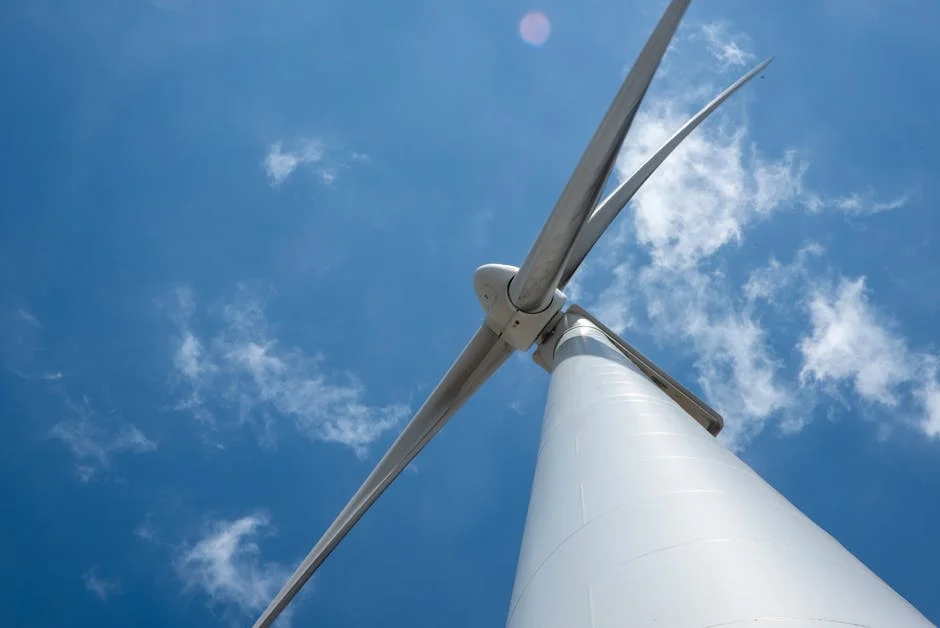
Despite the challenges posed by intensified storms, there are opportunities for sustainable development. The growing recognition of climate change's impact can drive investments in renewable energy, green infrastructure, and sustainable urban planning. The Nigerian government has set ambitious targets to increase renewable energy capacity to 30% of the national grid by 2030.
Investors are beginning to take note. Companies focusing on sustainable infrastructure projects are keen to partner with Nigeria, fostering economic growth while mitigating the impacts of climate change. The government’s push for sustainable practices aligns with global climate goals, potentially attracting foreign investment.
What’s Next for Nigeria?
As Nigeria grapples with the realities of climate change and intensified storms, the focus now shifts to proactive measures. The 2024 Climate Adaptation Summit set for next year will provide a platform for Nigeria to outline its strategies for tackling extreme weather. Stakeholders are urged to participate actively, as collaboration will be essential in developing comprehensive policies and funding mechanisms.
Looking ahead, the Nigerian government, along with local and international partners, must prioritise resilience-building initiatives. Investing in research, community education, and improved infrastructure will be crucial as the nation prepares for a future where hurricanes and typhoons become increasingly prevalent.
See Also
- Forum Diop Demands SME Funding Overhaul to Save African Economies
- Uganda Ebola Surge Triggers Urgent Travel Alert
Flooding can lead to outbreaks of waterborne diseases such as cholera, which have historically impacted Nigeria, particularly in regions lacking adequate sanitation. The growing recognition of climate change's impact can drive investments in renewable energy, green infrastructure, and sustainable urban planning.
What is the latest news about nigeria faces intensified storm threats as climate change fuels hurricanes?
Why does this matter for environment-nature?
What are the key facts about nigeria faces intensified storm threats as climate change fuels hurricanes?