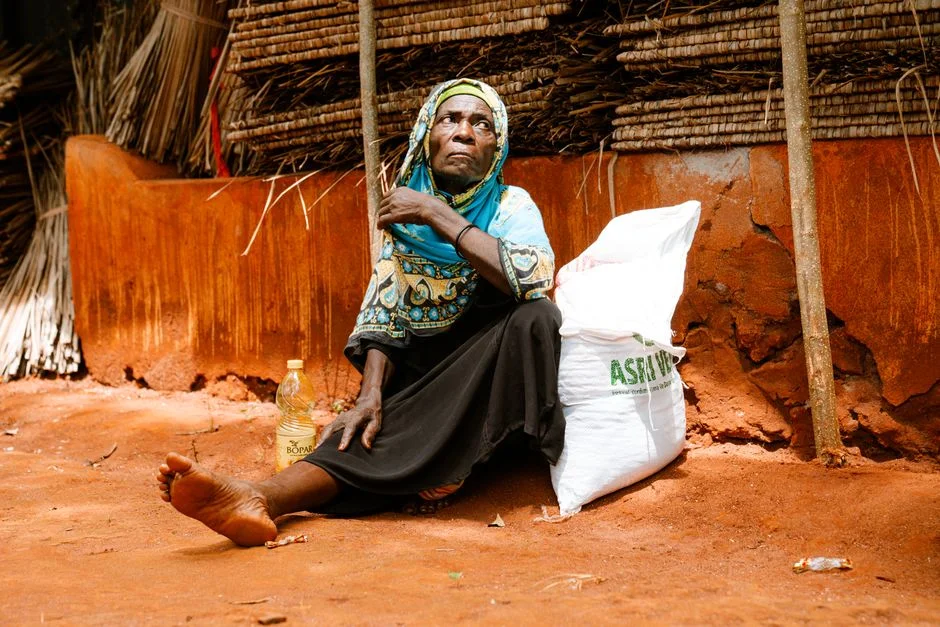
Thousands of fishermen along the Atlantic coast of the Republic of the Congo have abandoned their traditional nets in favor of collecting plastic waste. This shift represents a profound economic adaptation to environmental degradation and changing market dynamics. The move highlights how coastal communities are responding to the intersection of ecological pressure and financial necessity.
The Economic Reality of Coastal Life
The fishing industry has long been the backbone of the coastal economy in regions like Pointe-Noire. For decades, the catch from the Atlantic provided steady income and protein for local families. However, recent years have seen a dramatic decline in fish stocks due to overfishing and pollution. This decline has forced many households to look beyond the immediate shoreline for their daily bread.
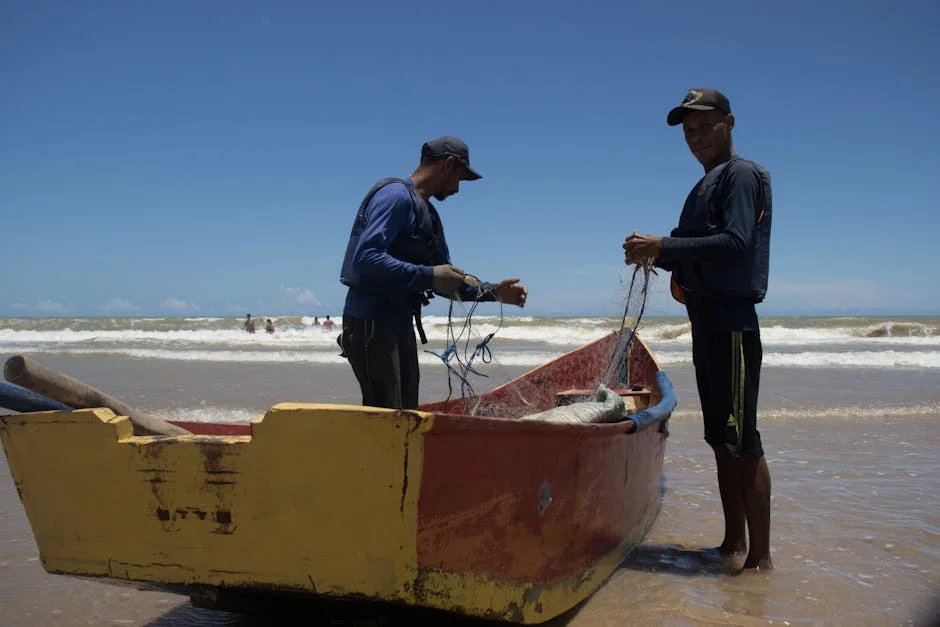
Plastic waste has become a surprising commodity in this new economic landscape. Fishermen now spend hours sifting through the surf and shallow waters, collecting bottles, bags, and fragments of packaging. They sell these items to local aggregators who then transport them to recycling centers or export hubs. This informal trade has emerged as a vital source of cash flow for those whose boats are increasingly coming up empty.
The transition from catching fish to catching plastic is not merely a change in labor but a reflection of broader structural issues. It underscores the vulnerability of primary industries that rely heavily on natural resource stability. When the resource degrades, the community must adapt, often with limited support from national policy frameworks.
Environmental Degradation and Health Risks
The influx of plastic waste into the Congolese coastline is driven by both local consumption patterns and downstream runoff from the Congo River basin. The river, which is one of the largest in the world by discharge volume, carries debris from inland cities and rural areas. This continuous flow ensures that coastal beaches are never truly empty of synthetic materials.
Health officials in Brazzaville have raised alarms about the direct impact of this pollution on public health. Microplastics are entering the food chain, affecting both marine life and the humans who consume them. The presence of heavy metals and chemical additives in the plastic poses long-term risks, including respiratory issues and skin conditions among those who handle the waste daily.
Impact on Local Biodiversity
Marine biologists report a noticeable decline in key fish species that are critical for local diets. The plastic debris often entangles smaller fish and sea turtles, leading to higher mortality rates. This loss of biodiversity weakens the resilience of the marine ecosystem, making it harder for fish populations to recover even if fishing pressures are reduced. The ecological cost is becoming increasingly visible to the naked eye.
Local communities are also facing the challenge of managing the waste they collect. Without adequate infrastructure, much of the sorted plastic ends up in open dumps or is burned, releasing toxic fumes. This creates a secondary pollution problem that affects air quality in coastal neighborhoods. The lack of formal waste management systems exacerbates the health risks for residents.
Policy Gaps and Governance Challenges
The Republic of the Congo faces significant governance challenges in addressing this dual crisis of environmental and economic instability. While national policies often target industrial pollution, the informal sector, which includes the fishermen-turned-collectors, remains largely unregulated. This lack of integration means that the efforts of these workers are not fully leveraged for broader economic gain.
Ministry of Environment officials have acknowledged the need for more robust waste management strategies. However, implementation has been slow due to budget constraints and competing national priorities. The government has introduced some incentives for recycling, but these have not yet reached the grassroots level where the most immediate changes are occurring. There is a clear disconnect between policy design and on-the-ground reality.
Corruption and inefficiency further hinder effective resource allocation. Funds intended for coastal cleanup and infrastructure development are sometimes diverted or delayed. This undermines the trust of local communities and reduces the effectiveness of top-down interventions. A more transparent and accountable system is essential to ensure that resources reach those who need them most.
Regional Implications for African Development
The situation in the Congo serves as a microcosm of broader challenges facing African development goals. Many African nations are striving to achieve sustainable economic growth while managing rapid urbanization and environmental change. The reliance on informal labor to manage waste highlights the need for integrated development strategies that address both economic and ecological factors.
This case study offers valuable insights for other African countries dealing with similar issues. Nations like Nigeria and Ghana are also grappling with plastic pollution and the need to diversify their coastal economies. The experience of Congolese fishermen demonstrates the potential for community-led initiatives to fill gaps left by formal sectors. It also shows the limits of such initiatives without stronger institutional support.
The African Union’s Agenda 2063 emphasizes the importance of sustainable development and economic integration. The challenges in the Congo underscore the need for regional cooperation on waste management and resource utilization. By sharing best practices and coordinating policies, African nations can create a more resilient and sustainable development model. This requires a shift from viewing waste as a burden to seeing it as a resource.
Opportunities for Economic Innovation
Despite the challenges, there are significant opportunities for economic innovation in the plastic waste sector. The collection and processing of plastic can create new jobs and stimulate local industries. With the right investments in technology and infrastructure, the informal collectors can be integrated into a formal value chain. This would provide them with better wages, social security, and working conditions.
Entrepreneurs in Pointe-Noire are already experimenting with upcycling plastic into construction materials and fashion items. These innovations add value to the raw material and reduce the volume of waste ending up in landfills. Such initiatives demonstrate the creativity and resilience of local communities in the face of adversity. They also show the potential for private sector leadership in driving sustainable development.
International partnerships can play a crucial role in scaling these innovations. Development agencies and private investors are increasingly interested in circular economy projects in Africa. By providing funding, technology transfer, and market access, these partners can help local entrepreneurs grow their businesses. This collaboration can accelerate the transition from informal waste picking to formal waste management.
What to Watch Next
Observers should monitor the upcoming national budget proposals for increased allocation to environmental protection and waste management. The Republic of the Congo is expected to announce new initiatives aimed at formalizing the informal waste sector in the next fiscal year. These policies will determine whether the current adaptations can be sustained and scaled up.
Additionally, regional forums on African development will likely feature the Congo case study as a key example of community-led adaptation. Stakeholders should watch for new partnerships between local cooperatives and international recycling firms. These collaborations could set a precedent for how other African nations approach the challenge of plastic pollution and economic diversification.
See Also
- AFRIMA Celebrates Emerging African Talent at Voyage Lagos Diamond Party Event
- Nigeria's Brain Drain: Low Pay Triggers Exodus of Biodiversity Experts
See AlsoAFRIMA Celebrates Emerging African Talent at Voyage Lagos Diamond Party EventNigeria's Brain Drain: Low Pay Triggers Exodus of Biodiversity Experts The reliance on informal labor to manage waste highlights the need for integrated development strategies that address both economic and ecological factors.