A mother in India has decided to run for political office following the tragic death of her daughter, Ratna Debnath, who was raped and killed in a shocking incident that has gained national attention. This decision comes as the country grapples with ongoing issues of gender-based violence and the need for better protective measures for women. The case has resonated deeply with many, including Indian Prime Minister Narendra Modi, who has addressed the need for reform.
Public Outcry Fuels Political Aspirations
Ratna Debnath, a 17-year-old student from West Bengal, was found dead in her village last month, prompting widespread outrage across India. The incident sparked protests that highlighted the alarming rate of violence against women, with a reported 88 rapes occurring daily in the country, according to the National Crime Records Bureau.
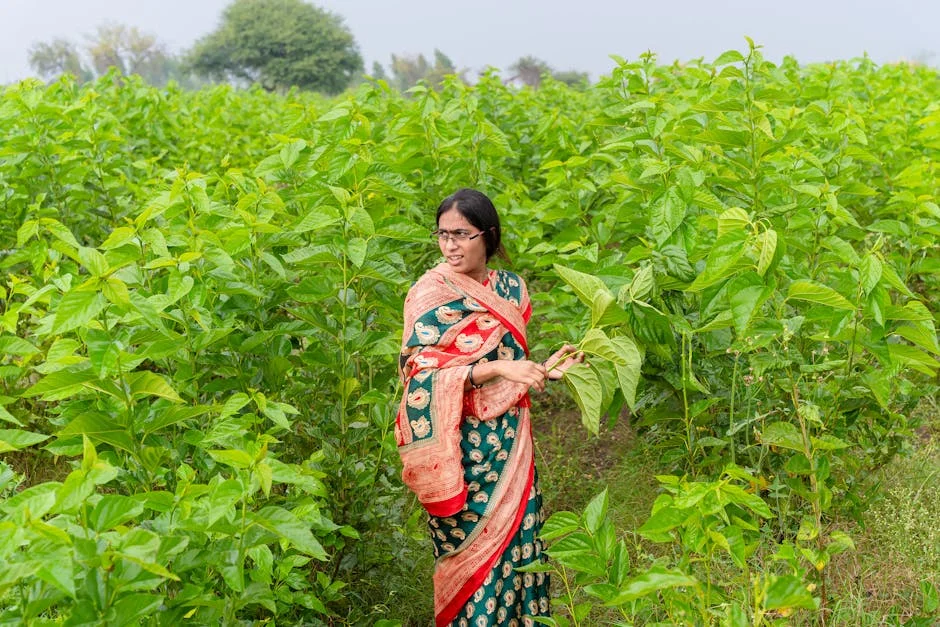
In response to this tragedy, her mother, a local activist, has announced her candidacy for the upcoming elections. She aims to advocate for stronger laws and protective measures for women, as well as improved access to education and healthcare. Her campaign is gaining momentum as citizens demand accountability and change from their leaders.
The Broader Context of Gender Violence
The circumstances surrounding Ratna's death reflect a broader issue faced by many countries, particularly in Africa, where gender-based violence remains pervasive. According to the World Health Organization, one in three women worldwide has experienced physical or sexual violence. Such statistics underscore the urgent need for global attention and action.
Countries like Nigeria are also grappling with similar issues. A surge in cases of sexual violence against women has pushed local governments to seek solutions, including enhanced legal frameworks and public awareness campaigns. The parallels between India's struggle and those faced by African nations highlight the potential for shared strategies and collaborative efforts in tackling gender violence.
The Role of Governance in Addressing Violence
Effective governance is critical in addressing the root causes of gender-based violence. In India, many activists argue that governmental inaction has allowed such violence to persist. Ratna's mother's campaign is a testament to the call for accountability from elected officials. She is committed to pushing for policies that prioritise women's rights and safety.
In many African nations, similar calls for accountability are being echoed. The African Union has set ambitious goals for gender equality and women's empowerment as part of its Agenda 2063. However, progress remains slow, and political will is essential to implement change.
What’s Next for Ratna Debnath’s Mother?
With elections approaching in India, Ratna's mother is gathering support from various communities as she campaigns for a seat in local government. Her story has captured the hearts of many, igniting a conversation about the need for systemic change in how governments address gender violence.
As she prepares for the election, her message of resilience and determination resonates not only in India but also across borders, encouraging other mothers, activists, and citizens to demand change. The upcoming vote will be a crucial moment to watch, as it may influence future policies related to women's rights and safety in India and beyond.
See Also
- Creecy Warns of Rising Oil Prices: What It Means for Nigeria's Economy
- Qadir's Political Shift Sparks Regional Tensions in Middle East
What is the latest news about ratna debnaths mother runs for office a fight against violence in india?
Why does this matter for politics-governance?
What are the key facts about ratna debnaths mother runs for office a fight against violence in india?