The stunning geothermal pools and hot tubs of Iceland have officially gained UNESCO recognition, a move that aims to highlight their cultural and natural significance. However, this accolade has sparked discontent among some Icelanders who fear that increased tourism could threaten their cherished local traditions.
UNESCO Recognition: A Double-Edged Sword
On October 15, 2023, UNESCO added Iceland's geothermal pools to its World Heritage List, acknowledging their unique role in Icelandic culture and history. This decision is expected to draw more visitors to locations like the Blue Lagoon, which attracts over 1.5 million tourists annually, increasing pressure on local infrastructure and resources.
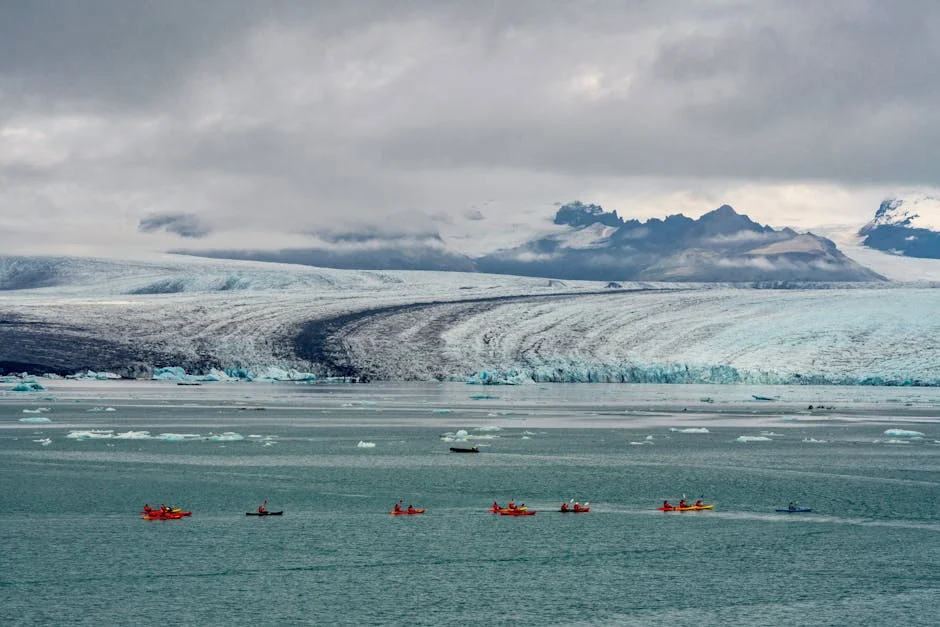
While many celebrate this recognition, others worry that it may lead to overcrowding and commercialisation, undermining the very essence of these natural wonders. Local resident and community activist Björn Jónsson stated, "We want to share our heritage, but we also want to protect it from being overrun by tourists."
The Impact on Local Communities
For some Icelanders, UNESCO recognition is a mixed blessing. The anticipated surge in tourism could provide economic opportunities, but community members are concerned about environmental degradation and loss of cultural identity. The Icelandic Ministry of Environment has launched initiatives aimed at balancing tourism with sustainability, yet many locals remain sceptical.
As the government seeks to manage the influx of visitors, there is a growing call for sustainable practices. Local organisations, such as the Icelandic Nature Conservation Association, are advocating for policies that prioritise both ecological preservation and the needs of local communities.
Lessons for Africa: Infrastructure and Development Goals
Iceland's situation mirrors challenges faced by many African nations that are also grappling with how to effectively manage tourism while safeguarding their cultural heritage. Countries like Kenya and Tanzania, known for their natural wonders, face similar dilemmas as they strive to meet development goals without compromising local traditions.
In Africa, the push for sustainable tourism is increasingly linked to broader development objectives, including infrastructure enhancement, health, and education improvements. Balancing these elements can unlock numerous opportunities for economic growth while preserving the continent's rich cultural and natural heritage.
Future Considerations: What to Watch Next
The debate in Iceland raises important questions about the future of cultural heritage and tourism management globally. As more countries pursue UNESCO recognition, they must consider the lessons learned from Iceland. Will they prioritise community voices and environmental sustainability? The outcome could shape the landscape of tourism, governance, and economic development across continents.
In the coming months, stakeholders in Iceland will be watching closely as the government implements its tourism strategies. How these policies unfold could provide valuable insights for other nations, including Nigeria, as they navigate the complexities of heritage conservation and economic growth.
Frequently Asked Questions
What is the latest news about icelands pools gain unesco status but some locals are unhappy?
The stunning geothermal pools and hot tubs of Iceland have officially gained UNESCO recognition, a move that aims to highlight their cultural and natural significance.
Why does this matter for economy-business?
This decision is expected to draw more visitors to locations like the Blue Lagoon, which attracts over 1.5 million tourists annually, increasing pressure on local infrastructure and resources.While many celebrate this recognition, others worry that i
What are the key facts about icelands pools gain unesco status but some locals are unhappy?
The anticipated surge in tourism could provide economic opportunities, but community members are concerned about environmental degradation and loss of cultural identity.
Balancing these elements can unlock numerous opportunities for economic growth while preserving the continent's rich cultural and natural heritage.Future Considerations: What to Watch NextThe debate in Iceland raises important questions about the future of cultural heritage and tourism management globally. Local organisations, such as the Icelandic Nature Conservation Association, are advocating for policies that prioritise both ecological preservation and the needs of local communities.Lessons for Africa: Infrastructure and Development GoalsIceland's situation mirrors challenges faced by many African nations that are also grappling with how to effectively manage tourism while safeguarding their cultural heritage.