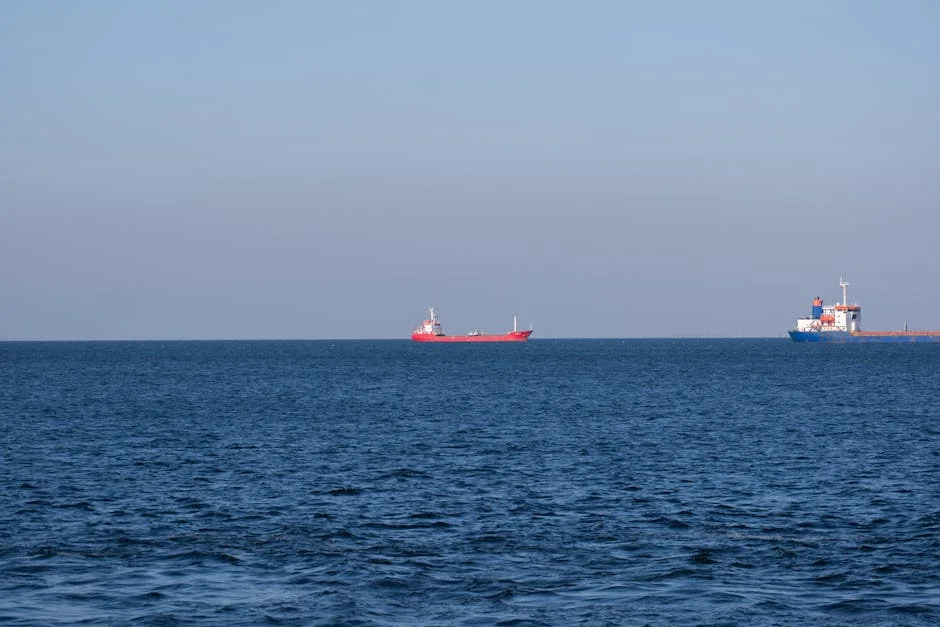
In a dramatic display of military prowess, masked Iranian commandos seized an India-bound ship in the strategic Strait of Hormuz, according to a video circulated on social media. The incident occurred on October 10, 2023, raising alarms about the security of one of the world's most critical maritime chokepoints. The Strait of Hormuz is a vital passage for a significant portion of global oil shipments, linking the oil-rich Persian Gulf with international markets.
Understanding the Hormuz Factor
The Strait of Hormuz is crucial due to its position as a transit point for 20% of the world's oil. This narrow waterway, sitting between Oman and Iran, has long been a geopolitical flashpoint. The recent seizure underscores ongoing regional tensions and highlights the vulnerabilities in global oil supply chains.
For Africa, particularly oil-exporting nations like Nigeria, the stability of the Hormuz corridor is essential. Disruptions here can lead to volatile oil prices, affecting Nigeria's economy, which relies heavily on petroleum exports. Understanding why Hormuz matters is key to grasping these economic ripple effects.
Impact on India and Global Trade
India, heavily reliant on oil imports, finds itself in a precarious situation. The seized vessel was part of its energy supply chain, which could face costly delays. This incident may force India to seek alternative routes or suppliers, potentially increasing costs.
Meanwhile, global trade corridors are interlinked; any blockage or threat in Hormuz can disrupt shipping schedules and elevate insurance premiums for vessels transiting the region. These developments underscore the interconnected nature of global supply chains and their susceptibility to regional conflicts.
Opportunities for African Development
While tensions in Hormuz pose challenges, they also present opportunities for Africa. Countries like Nigeria might capitalise on the uncertainty by positioning themselves as stable energy suppliers. Expanding infrastructure to increase export capacity or exploring renewable energy alternatives could offer long-term benefits.
Moreover, strengthening intra-African trade could reduce dependency on volatile global corridors. Initiatives like the African Continental Free Trade Area (AfCFTA) aim to boost regional trade, fostering economic resilience against external shocks.
What to Watch Next
As the situation unfolds, watch for potential diplomatic interventions aimed at easing Hormuz tensions. The role of international bodies in mediating peace will be crucial. For Africa, observing how global oil markets react will be essential, as fluctuations could impact economic projections and development goals.
Additionally, monitoring India's response, including shifts in its energy sourcing strategy, could offer insights into evolving trade patterns. These developments might influence Africa's trade strategies with both Asian and Middle Eastern partners.
See Also
- Olmo Sparks Interest in Champions Ha: Implications for Nigeria's Development Goals
- Russia Refuses to Disclose Crude Export Data to India: Implications for African Markets
For Africa, observing how global oil markets react will be essential, as fluctuations could impact economic projections and development goals.Additionally, monitoring India's response, including shifts in its energy sourcing strategy, could offer insights into evolving trade patterns. This incident may force India to seek alternative routes or suppliers, potentially increasing costs.Meanwhile, global trade corridors are interlinked; any blockage or threat in Hormuz can disrupt shipping schedules and elevate insurance premiums for vessels transiting the region.
What is the latest news about iranian forces seize indiabound ship hormuz tensions ripple globally?
Why does this matter for economy-business?
What are the key facts about iranian forces seize indiabound ship hormuz tensions ripple globally?