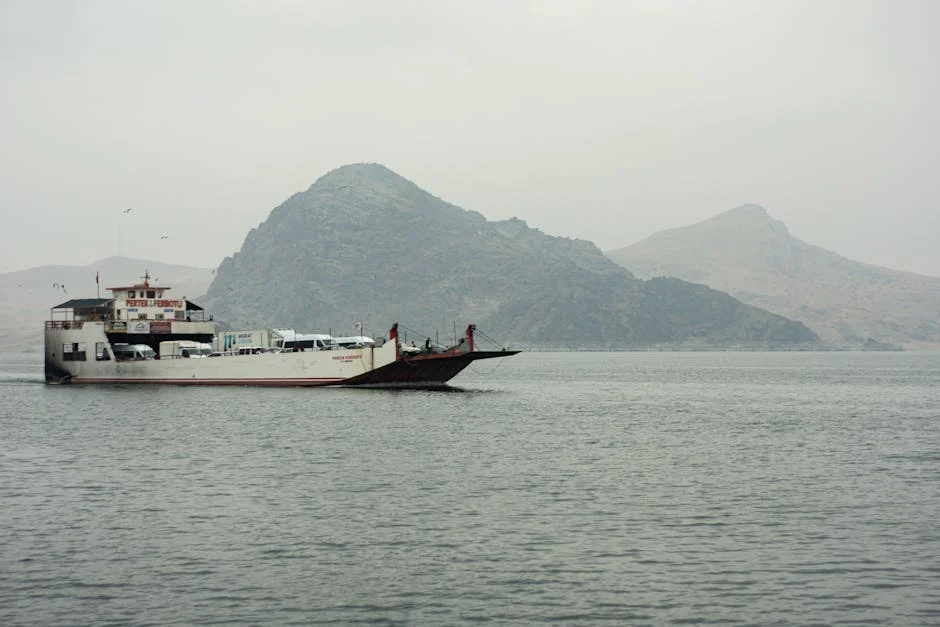
US President Donald Trump has threatened to "eliminate" Iranian ships in the Hormuz Strait, a critical global shipping lane, as tensions between the US and Iran escalate. The warning comes after Iran blocked a key maritime passage, raising fears of a broader regional conflict. The incident has drawn global attention, with implications for trade, energy security, and international stability, including in Africa, where many countries depend on the strait for oil and goods.
Strategic Importance of Hormuz
The Strait of Hormuz, located between Iran and Oman, is one of the world's most vital waterways, with nearly 20% of global oil shipments passing through it daily. The recent blockade by Iranian forces has disrupted shipping routes, causing immediate concern among international traders and energy companies. The strait's strategic value is underscored by its role in supplying oil to countries across Asia, Europe, and Africa, including Nigeria, which relies on imported fuel and crude oil.
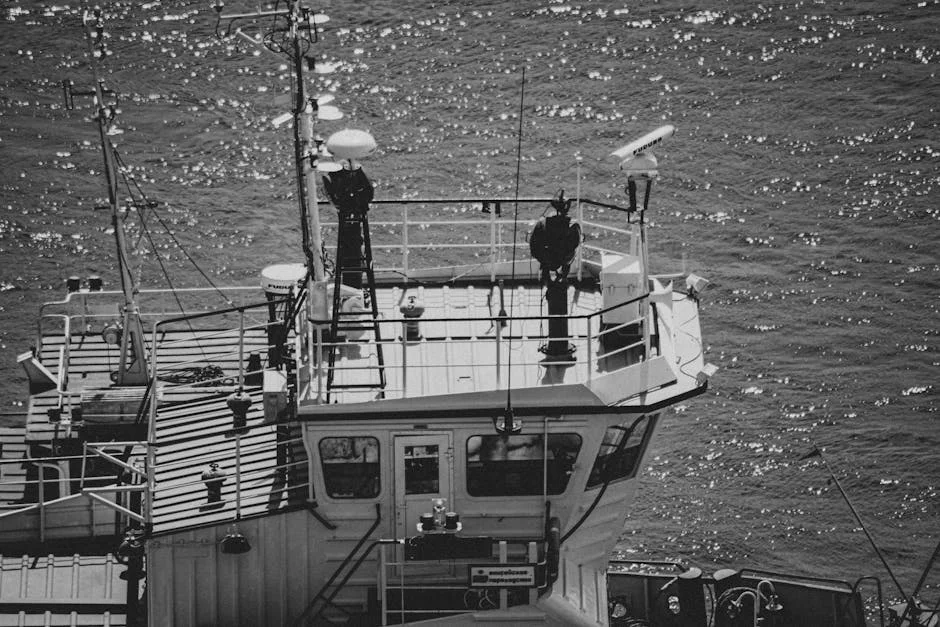
The US has long maintained a military presence in the region to ensure free passage. Trump's latest statement marks a sharp escalation in rhetoric, signaling a possible shift in US policy toward Iran. "We will not allow any nation to block the Strait of Hormuz," he said in a recent press conference, warning that any threat to US interests would face "immediate elimination."
African Dependence on Regional Stability
Africa's economic development is closely tied to the stability of global trade routes like the Strait of Hormuz. Nigeria, the continent's largest oil producer and importer, faces significant risks if the strait becomes a battleground. In 2022, Nigeria imported over 500,000 barrels of crude oil daily, much of it passing through the strait. A disruption could lead to fuel shortages, price hikes, and economic instability, directly affecting millions of Nigerians.
Experts warn that any prolonged conflict in the region could have ripple effects across the continent. "The Strait of Hormuz is a lifeline for many African economies," said Dr. Adebayo Adesina, an economist at the African Development Bank. "A prolonged closure could slow down trade, increase energy costs, and hinder economic growth in key sectors like agriculture and manufacturing."
Regional Implications and Diplomatic Efforts
The situation has prompted diplomatic calls for de-escalation. The African Union (AU) has urged both the US and Iran to avoid military confrontation, emphasizing the need for dialogue. "Africa cannot afford another crisis in the Middle East," said AU Commissioner for Political Affairs, Smail Chergui. "We must work together to ensure the stability of global trade routes that are crucial for our development."
Regional powers such as South Africa and Kenya have also called for caution, noting that any conflict could lead to a humanitarian crisis. South Africa's Minister of International Relations, Naledi Pandor, warned that "the global community must act to prevent a wider conflict that could destabilize the entire region."
Historical Context and Future Risks
The Strait of Hormuz has been a flashpoint in US-Iran relations for decades. In 1988, the US Navy clashed with Iranian forces during the Iran-Iraq War, an event that underscored the strategic importance of the waterway. More recently, in 2019, several oil tankers were attacked in the area, leading to heightened tensions and a temporary US military response.
For Africa, the stakes are high. A new conflict could lead to higher oil prices, which would affect not just energy-dependent economies like Nigeria and Kenya, but also countries reliant on imported goods. The continent's development goals, including poverty reduction and infrastructure expansion, could be undermined by rising costs and supply chain disruptions.
What to Watch Next
As the situation unfolds, the next few weeks will be critical. The US is expected to increase its naval presence in the region, while Iran continues to assert its control over the strait. The African Union and regional bodies will likely intensify diplomatic efforts to prevent further escalation. For African countries, the coming days will determine whether the region remains stable or faces a new wave of economic and political uncertainty.