Australia's governments have come under fire for failing to deliver $160 million worth of river improvement projects aimed at enhancing the health of wetlands in New South Wales and Queensland. This failure, reported by environmental groups, has left critical areas parched, impacting both local ecosystems and the communities that depend on them.
Delayed Projects Affecting NSW Wetlands
The planned projects were intended to revitalise wetlands across New South Wales, including the Macquarie Marshes, a crucial area for biodiversity. Instead, these wetlands continue to suffer from severe water shortages, exacerbating existing environmental challenges. The delay comes as a blow to regional sustainability efforts, which are vital for maintaining ecological balance.
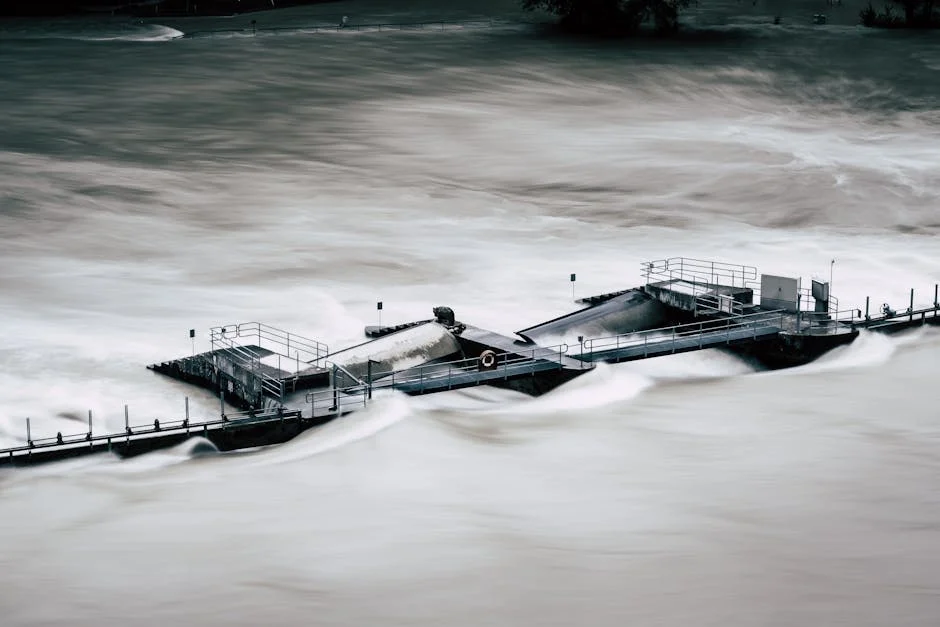
The New South Wales Department of Primary Industries Water was expected to spearhead these improvements, but bureaucratic hurdles have stalled progress. Local environmentalist, Dr. Jane Thompson, expressed concern, stating, "These delays are crippling our natural ecosystems and setting back years of conservation work."
Queensland's Role and Broader Implications
Queensland, another key region in this initiative, has also faced setbacks. The failure to implement these projects not only threatens local wildlife but also raises questions about the broader environmental policy commitments of Australian governments. The lack of action could potentially undermine future international partnerships and funding opportunities.
Global Environmental Significance
The current situation in Australia serves as a cautionary tale for African nations pursuing similar initiatives. As African countries strive towards sustainable development goals, the Australian example underscores the importance of effective governance and timely project execution.
For regions in Africa struggling with water scarcity and ecosystem degradation, lessons from Australia's challenges can guide more effective policy implementation and resource management.
Lessons for African Development Goals
Africa faces its own set of challenges related to water management and environmental conservation. The Australian experience highlights the need for African governments to prioritise infrastructure and governance in their development agendas. Effective execution of environmental projects is essential to achieving the continent's long-term sustainability and development goals.
Collaborations between African nations and international partners can be strengthened by demonstrating commitment to environmental objectives. This will also enhance the appeal for foreign investment in sustainable projects.
Future Steps and What to Watch
Looking forward, it will be crucial to monitor how Australian governments address these project delays and restore trust in their environmental programs. The situation is a reminder of the importance of accountability and action in public projects, not just in Australia but globally.
African nations should watch for policy changes and management strategies that evolve from this situation, potentially offering valuable insights for their own river and wetland conservation efforts. As environmental challenges continue to escalate, cross-continental learning and adaptation remain key for effective development.
See Also
- One Battle After Another Wins 2026 Academy Award, Highlighting African Storytelling
- AngloGold Ashanti Slams Record Cash Flow — Ghana's Dividend Surge