Mozambique’s Niassa Reserve has sparked controversy by launching a big game hunting initiative, with proponents arguing it could help fund conservation efforts and support local communities. The move comes amid growing pressure on African wildlife reserves to find sustainable funding models as traditional tourism declines. The reserve, located in northern Mozambique, is home to some of the continent’s last large herds of elephants and lions. Conservationists and local communities are divided over the plan, which allows licensed hunters to target specific species under strict quotas.
Big Game Hunting as a Conservation Tool
Proponents of the initiative argue that regulated hunting can provide much-needed revenue for conservation and local development. The Niassa Reserve, which spans over 4,200 square kilometers, has struggled with funding for anti-poaching operations and habitat preservation. A 2022 report by the African Wildlife Foundation noted that many reserves face a funding gap of up to 60%, forcing them to rely on international aid or alternative income sources. The reserve’s director, Dr. Maria Nascimento, stated that hunting licenses could generate millions of dollars annually, which would be reinvested into local communities and wildlife protection.
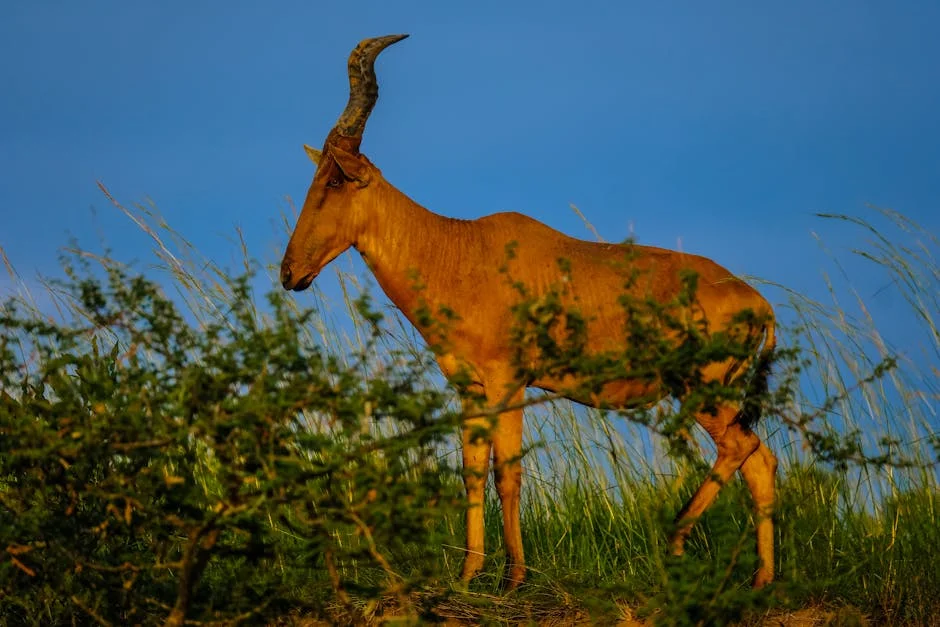
The initiative is backed by the Mozambique Ministry of Tourism and Wildlife, which sees it as a way to balance conservation with economic development. “We cannot rely solely on tourism,” Nascimento said. “Hunting can be a sustainable alternative if managed properly.” The plan includes strict quotas, with only mature animals of certain species allowed to be hunted. Hunters must also pay high fees, which are supposed to fund anti-poaching units and community projects.
Opposition and Ethical Concerns
Opponents, including international conservation groups and some local activists, argue that hunting, even if regulated, sends the wrong message and could lead to increased poaching. The World Wildlife Fund (WWF) has expressed concerns that the initiative may undermine efforts to protect endangered species. “There is a risk that the perception of hunting as a conservation tool could be exploited for commercial gain,” said Dr. Amina Kofi, a wildlife policy expert at the WWF.
Local communities are also divided. Some see the initiative as a chance to benefit from tourism-related jobs, while others worry about the long-term impact on wildlife. In the village of Chitato, near the reserve, local leader Samuel Mavuso said, “We need jobs, but we also need to protect our land and animals.” The government has promised that a portion of the revenue will go to community development projects, including schools and healthcare.
Broader Implications for African Development
The Niassa Reserve initiative reflects a broader debate across Africa about how to fund conservation and development. With many countries struggling to balance economic growth with environmental protection, alternative revenue streams are being explored. The African Development Bank has highlighted the need for innovative financing models, including eco-tourism and sustainable resource use, to support conservation efforts.
The initiative also raises questions about the role of international funding and the sustainability of conservation efforts. While some countries have successfully implemented similar models, others have faced challenges. In Kenya, for example, a hunting ban in 2014 led to a decline in wildlife populations and a loss of revenue for local communities. The Niassa case could provide valuable insights into how to manage such initiatives effectively.
Future Steps and What to Watch
The first hunting season under the new initiative is set to begin in early 2025, with the government monitoring the impact closely. Conservationists and local leaders will be watching to see whether the program meets its goals of funding protection efforts and supporting communities. A key test will be whether the revenue generated is transparently used for conservation and development, and whether it leads to improved wildlife populations.
The outcome of the Niassa Reserve initiative could influence similar projects across the continent. With Africa’s wildlife facing increasing threats from habitat loss, poaching, and climate change, the need for sustainable solutions has never been more urgent. As the continent continues to grow and develop, finding a balance between conservation and economic progress will be critical to achieving long-term development goals.
See Also
- European Union Confirms Trust in US Commitment to Trade Deal: What It Means for Africa
- Benfica Wins Women's Basketball Taça de Portugal in Paredes Showdown
Broader Implications for African Development The Niassa Reserve initiative reflects a broader debate across Africa about how to fund conservation and development. The African Development Bank has highlighted the need for innovative financing models, including eco-tourism and sustainable resource use, to support conservation efforts.