The recent imposition of hefty fines in Nigeria has ignited a heated debate about justice, governance, and economic implications across the nation. On September 15, 2023, the Nigerian government announced new fines aimed at curbing environmental violations and improving public health, a decision that has left many citizens divided on its fairness and effectiveness.
Government's Justification: Why the Fines?
The Nigerian authorities assert that these fines are a necessary measure to enforce compliance with environmental regulations and promote public health initiatives. The government maintains that the funds collected will be redirected towards essential services, including infrastructure development and healthcare improvements. However, critics argue that these fines disproportionately affect lower-income citizens who may struggle to pay.
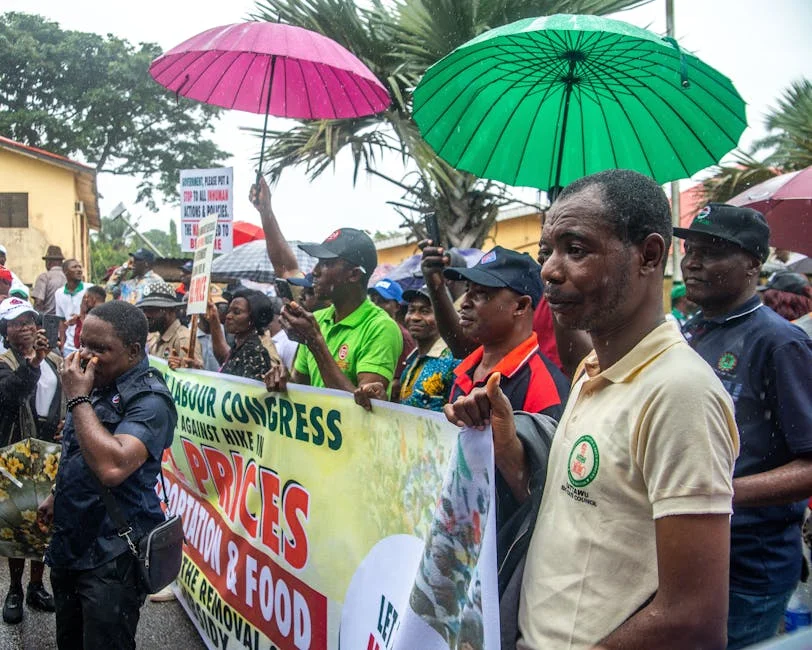
Public Reaction: A Call for Fairness
Public response has been fierce, with protests erupting in major cities such as Lagos and Abuja. Citizens express frustration over the perceived lack of transparency and the potential misuse of funds. Activists are calling for a more equitable approach to environmental governance, one that considers the socio-economic realities of many Nigerians. The protests highlight a growing sentiment that governance in Nigeria must prioritise fairness and inclusivity to achieve sustainable development goals.
The Economic Implications: Burden or Opportunity?
Economically, the fines could either be seen as a burden or an opportunity. On one hand, they might deter businesses from violating regulations, fostering a healthier environment. On the other, they could stifle economic growth, especially for small businesses already grappling with high operational costs. Economic experts suggest that the government should consider alternative measures that balance enforcement with support for businesses, especially those contributing positively to local economies.
Health Outcomes: A Crucial Link
The connection between environmental compliance and public health is undeniable. Poor environmental practices contribute to health issues such as respiratory diseases and waterborne illnesses. By imposing fines, the government aims to create a healthier environment. However, the effectiveness of this approach will depend on how the funds are utilised. If directed towards health infrastructure and education, the long-term benefits could align with the African Union's Agenda 2063 goals for universal health coverage and improved quality of life.
Looking Ahead: What Comes Next for Nigeria?
As the debate continues, stakeholders are closely watching how the government will respond to public outcry. Will there be a revision of the fines or an increased effort to educate the public on compliance and environmental responsibility? The outcomes of this situation could have significant implications for governance in Nigeria, influencing future policies and the country’s commitment to achieving sustainable development goals.
See Also
- M.J. Job Joins BJP: Ambalapuzha Latest News Sparks Political Shift
- Kidnappings Surge in Sahel Region: What It Means for Africa's Stability