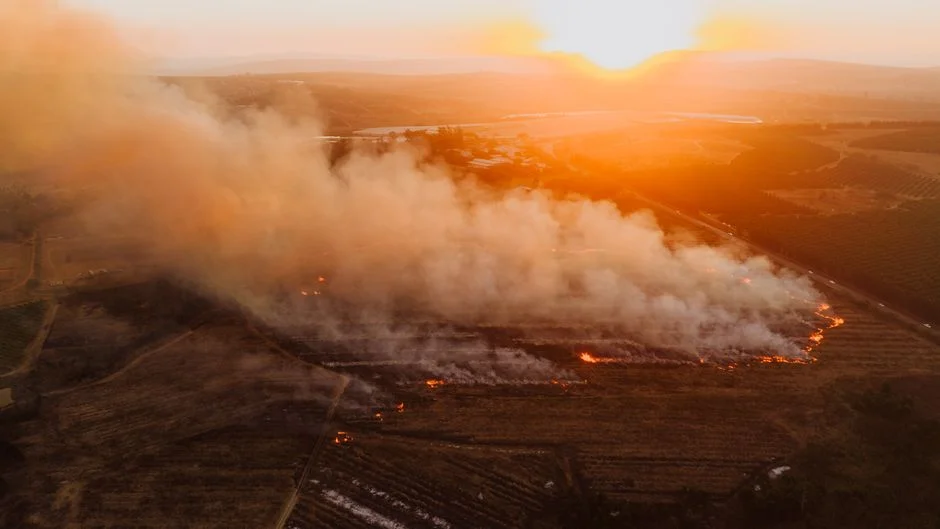
Scientists have issued a stark warning that rising global temperatures could wipe out a significant portion of the Amazon's most valuable plant species within decades. A comprehensive study published this week found that many of the rainforest's plants relied upon by local communities for food, medicine, and materials face population collapse if warming continues at current rates. The research, conducted across multiple research institutions, examined more than 3,000 plant species and their sensitivity to temperature changes.
What the Research Found
The study, peer-reviewed and published in a leading environmental journal, identified that plant species producing fruits, seeds, bark, and leaves used by humans are particularly vulnerable to climate stress. Researchers discovered that species offering the greatest utility to communities often have narrower ecological tolerances than their less useful counterparts. Field surveys conducted in partnership with local universities across four countries determined which plants face the highest risk of decline.
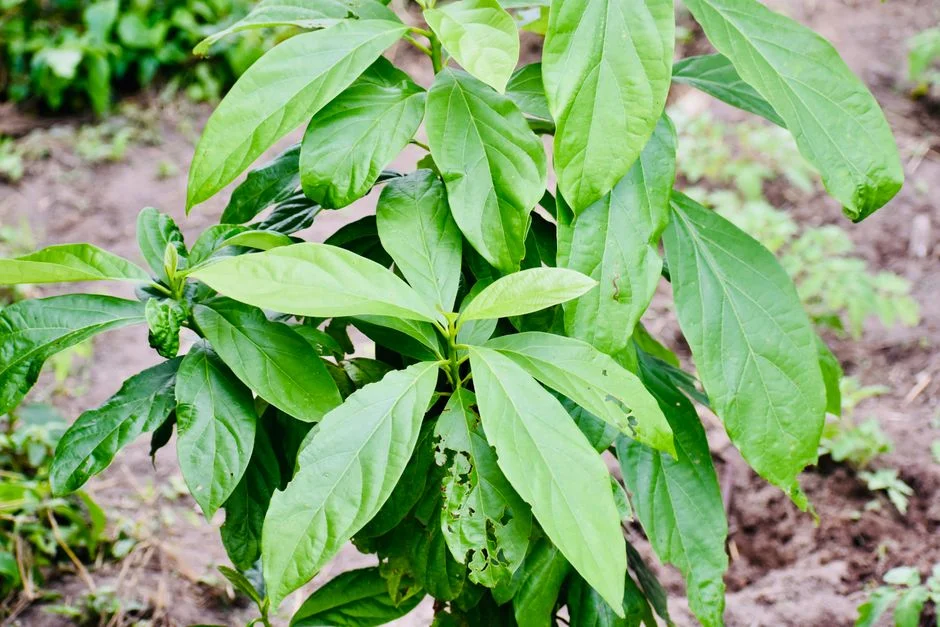
Dr Maria Santos, the study's lead researcher from the University of São Paulo, explained that the findings reveal an uncomfortable truth about conservation priorities. "We found a troubling pattern," she stated. "The plants people depend on most are often the ones least able to handle changing conditions." Her team spent three years documenting plant responses across different elevation zones within the Amazon basin.
Species at Greatest Risk
The research identified several categories of plants facing severe threat. Fruit-bearing trees that provide food for both communities and wildlife scored poorly on climate resilience metrics. Medicinal plants, many of which have never been scientifically catalogued, showed alarming sensitivity to temperature shifts of even two degrees Celsius. Construction materials including hardwoods face similar trajectories, potentially devastating housing and infrastructure for rural populations.
Amazonian palms, which produce oils, thatch, and food staples for millions, emerged as particularly vulnerable. The açai palm, now exported worldwide as a superfood, relies on specific floodplain conditions that climate models suggest will shift dramatically by 2050. Similar concerns apply to Brazil nut trees, which already show signs of productivity decline in warmer zones.
Indigenous Communities Bear the Brunt
Indigenous groups inhabiting the Amazon have maintained intricate knowledge of plant uses passed through generations. This traditional expertise is now under threat as the species they have cultivated and protected for centuries face uncertain futures. Representatives from several tribal nations collaborated with researchers during data collection phases, contributing both field observations and historical records of plant abundance.
The Kayapó people, who occupy territories spanning Pará and Mato Grosso states, have documented changes in plant availability over recent decades. Their leaders stress that climate impacts compound existing pressures from deforestation and industrial activity. Communities in the western Amazon, including groups near Iquitos in Peru, report that certain medicinal plants have become harder to locate during seasonal rounds.
Economic Implications Spread Far Beyond the Forest
The Amazon supplies raw materials worth billions annually to global industries. Pharmaceutical companies draw upon plant compounds discovered in the region, while cosmetics firms source açai, cupuaçu, and other fruits for international markets. Agricultural operations dependent on pollination services from Amazonian plants extend far beyond the forest's boundaries, reaching soy farms in Mato Grosso and cattle ranches in Pará.
Supply chain analysts project that shortages of certain plant products could emerge within fifteen years if warming accelerates. Markets for natural rubber, already strained by disease affecting Asian plantations, face additional vulnerability if Amazonian sources decline. The economic modelling component of the study suggests cascading effects across multiple sectors, though precise figures require further analysis.
The Conservation Dilemma
Conservation organisations face difficult choices as resources remain insufficient to protect all threatened species. The study's authors argue that utility to human communities should factor into protection prioritisation, though this approach raises ethical questions about valuing nature primarily for its service to people. Protected areas currently cover roughly 80% of the Amazon's most remote regions, yet climate change does not respect park boundaries.
Botanical gardens and seed banks worldwide maintain collections of Amazonian species, providing insurance against complete extinction. The Kew Gardens in London and the INPA research institute in Manaus both hold significant archives, though preserving genetic diversity across all populations remains practically impossible. Scientists emphasise that living forests, not frozen collections, must survive for ecosystem functions to continue.
What Scientists Say Must Change
The researchers involved in the study converge on a clear message: limiting global warming to 1.5 degrees Celsius above pre-industrial levels offers the best chance of preserving Amazonian plant diversity. Under this scenario, the study estimates that roughly 70% of currently threatened useful species could maintain viable populations. At two degrees of warming, that figure drops below 50%, representing an irreversible loss of options for future generations.
Dr Santos urged policymakers attending upcoming climate negotiations to recognise the Amazon's vulnerability. "This is not just about biodiversity in an abstract sense," she told reporters during the study's virtual launch. "People's livelihoods and cultural practices are bound to these plants. When we lose them, we lose knowledge systems that took centuries to develop." Her team plans to expand monitoring networks across the basin to track changes in near real-time.
Monitoring the Changes Ahead
Scientists are now establishing a network of permanent monitoring plots throughout the Amazon to detect plant responses to warming as they occur. Funding from three international research bodies will support this effort over the next five years. Data from these plots will feed into global climate models, helping refine predictions about ecosystem changes under different emission scenarios.
Communities living within the forest will participate directly in data collection, using mobile applications to report plant observations. This citizen science approach promises to dramatically expand geographic coverage beyond what professional researchers could achieve alone. The first monitoring plots become operational in January, with results expected to appear in quarterly public reports beginning next autumn. Whether global emissions fall fast enough to matter will become apparent through the health of these plants over the coming decade.
See Also
- Cooperation Minister Ronald Lamola Demands Africa Cut External Market Dependence
- Macron Defies African Skepticism, Praises 'Africa Forward' Record
The economic modelling component of the study suggests cascading effects across multiple sectors, though precise figures require further analysis.The Conservation DilemmaConservation organisations face difficult choices as resources remain insufficient to protect all threatened species. The Kew Gardens in London and the INPA research institute in Manaus both hold significant archives, though preserving genetic diversity across all populations remains practically impossible.