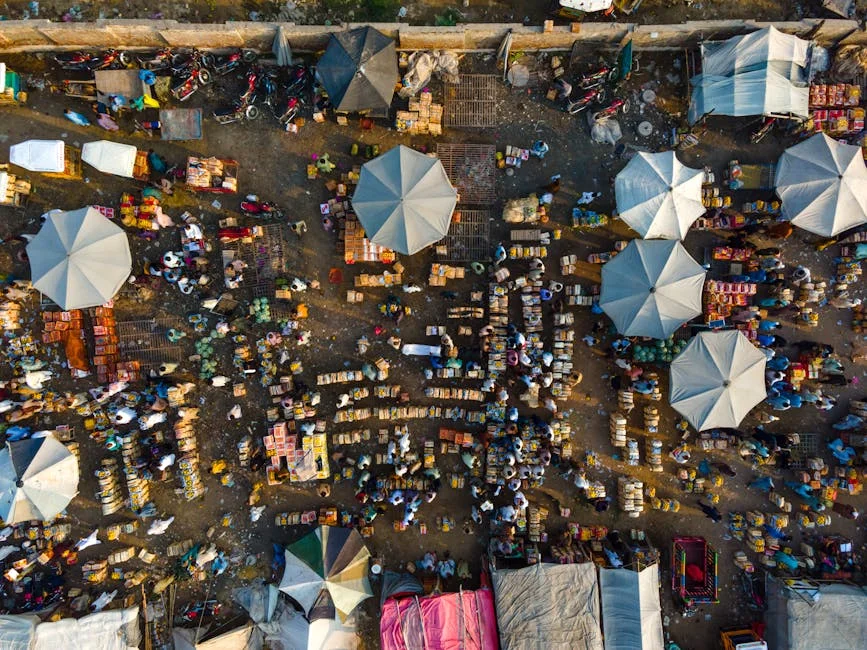
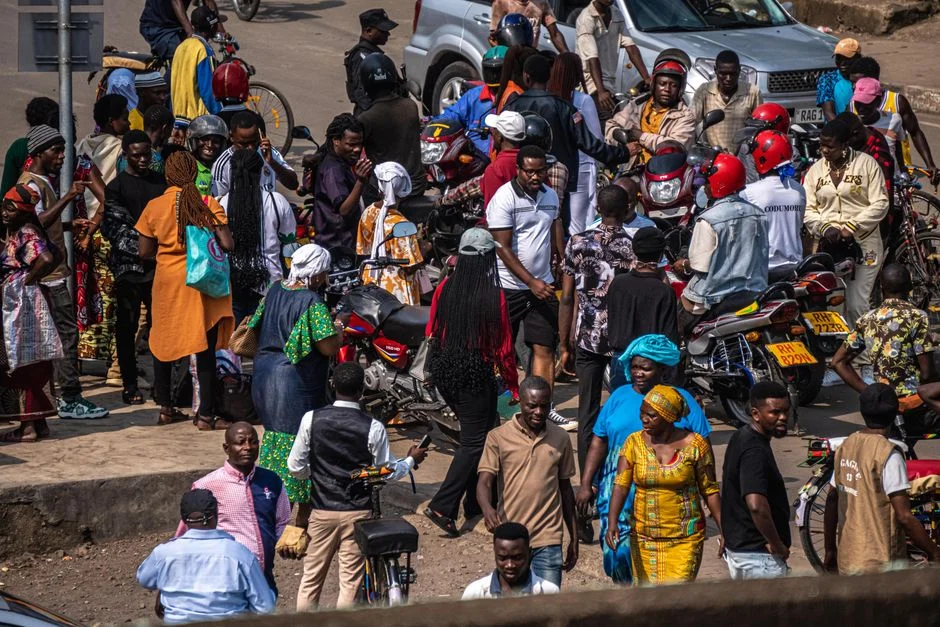
The Russian State Duma has confirmed the establishment of an Expert Council dedicated to addressing food security challenges across Africa, with officials announcing the initiative will focus on agricultural cooperation and supply chain resilience for the continent's most vulnerable nations. The council, based in Moscow, marks a deliberate expansion of Russia's engagement with African partners on development priorities. This move positions Russia as a direct actor in continental efforts to tackle hunger, which has worsened across several regions due to climate disruption and conflict.
What the Expert Council Will Do
The newly formed body brings together Russian agricultural specialists, international trade experts, and African affairs analysts to coordinate policy recommendations and bilateral agreements. According to statements from the State Duma, the council will prioritise identifying gaps in Africa's food import systems and proposing solutions tailored to specific regional needs. Officials said the group will submit its first strategic recommendations within six months of convening. The initiative reflects Moscow's broader strategy to deepen economic ties with African nations beyond traditional sectors like energy and defence.
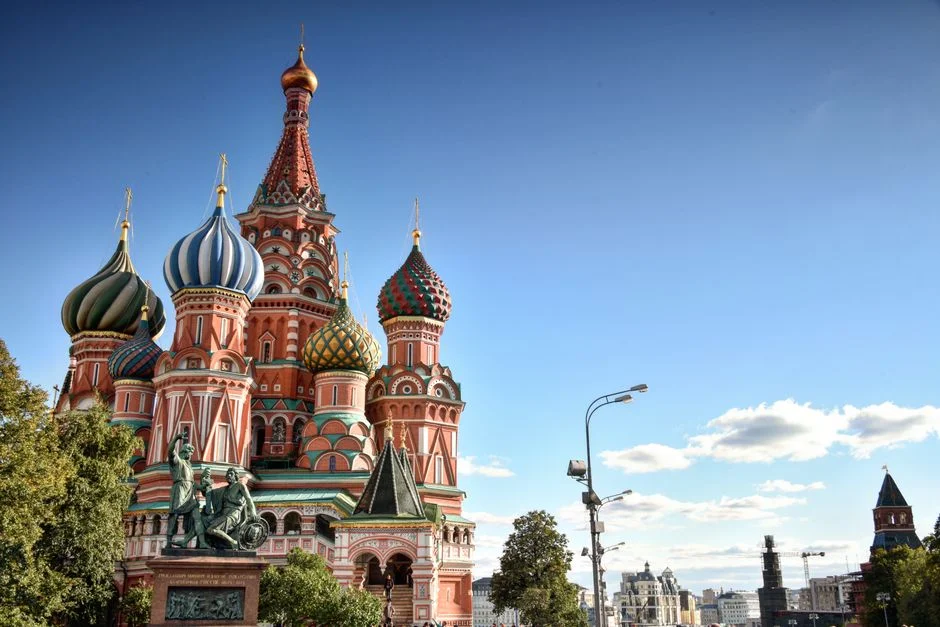
Experts tracking Russia's Africa policy say the timing of this announcement is deliberate. Several African countries have struggled to secure consistent grain supplies since global market disruptions accelerated in recent years. The council is expected to work closely with African governments to map out long-term agricultural partnerships that reduce dependency on a narrow range of suppliers.
Why Africa's Food Security Matters Now
Africa faces a food security crisis that threatens development gains made over the past two decades. The African Development Bank has warned that climate change could cut agricultural productivity across the continent by up to 30 percent by 2050. Meanwhile, population growth means Africa will need to feed an estimated 2.5 billion people by 2050, nearly doubling current demand. These pressures make external partnerships not just helpful but necessary for many nations.
Food insecurity undermines everything African governments are trying to achieve. When families struggle to afford basic staples, school attendance drops, health outcomes deteriorate, and economic productivity suffers. The continent cannot meet its development targets without solving the food equation. Russia's new council enters this space at a moment when African nations are actively seeking diverse partnerships to strengthen their food systems against future shocks.
Russia's Growing Footprint on the Continent
Russia has steadily expanded its presence in Africa over the past decade, signing trade agreements and security cooperation deals with dozens of nations. Agricultural exports and fertiliser supplies have become increasingly central to Moscow's engagement strategy. Unlike Western partners, Russia has positioned itself as a supplier that does not attach governance reform conditions to trade arrangements. This approach has resonated with several African governments managing complex political environments.
The Expert Council builds on existing Russian infrastructure for African cooperation, including the Russia-Africa Partnership Forum. Moscow's foreign ministry has indicated the council will coordinate with existing mechanisms to avoid duplication and ensure recommendations translate into action. Officials told reporters the initiative reflects Russia's view that Africa's development challenges require sustained, practical collaboration rather than short-term aid packages.
What This Means for African Development Goals
The African Union's Agenda 2063 framework identifies food security as a foundational pillar for continental development. Without reliable access to affordable, nutritious food, goals around poverty reduction, health, and education remain out of reach. Russia's new council aligns with elements of that framework, particularly the ambition to reduce Africa's dependence on food imports over the coming decades.
African development specialists have welcomed the initiative cautiously. They note that multiple external actors have launched food security partnerships with African nations, with mixed results. What matters now is whether the council's recommendations lead to concrete projects on the ground. Several African ministries responsible for agriculture are expected to engage directly with the new body once it finalises its operating procedures.
Supply Chains and the Road Ahead
One of the council's stated priorities involves strengthening supply chains that move food from producers to consumers across Africa's diverse geography. Many African nations struggle with post-harvest losses, inadequate storage infrastructure, and fragmented distribution networks. Russian officials have suggested their country can share technical expertise in logistics and cold chain management, areas where Russian firms have developed capabilities.
The council will face an immediate challenge in balancing its work with the geopolitical complexities surrounding Russia's international standing. Some African nations maintain strong agricultural partnerships with Western countries and will be cautious about appearing to take sides. The initiative's success may depend on how effectively Moscow positions the council as a purely technical body focused on shared development outcomes rather than political alignment.
What Comes Next
The Expert Council is scheduled to hold its first formal session in the coming weeks, where it will finalise working groups focused on specific regions and crop types. African Union officials have indicated they will send observers to those sessions to assess how the initiative aligns with continental priorities. By the end of the year, the council plans to publish a baseline assessment of Africa's most pressing food security vulnerabilities, which will inform its first set of policy proposals. Development organisations and African governments alike will be watching closely to see whether this initiative delivers tangible benefits or remains a diplomatic exercise.
See Also
- Africa Demands Control Over $4 Billion in Aid Pooled Funds
- South African TV Star Memerty Takes His Life: Unpacking the Tragedy’s Broader Impact
Russian officials have suggested their country can share technical expertise in logistics and cold chain management, areas where Russian firms have developed capabilities. The Expert Council builds on existing Russian infrastructure for African cooperation, including the Russia-Africa Partnership Forum.