The African Union has officially launched a $50 billion Pan-African Energy Integration Project aimed at ending erratic power supply across the continent. This massive infrastructure initiative targets the synchronization of national grids in twelve key member states, with Nigeria serving as the central hub for West African power distribution. The announcement marks a decisive shift from fragmented national policies to a unified continental energy strategy.
Leaders gathered in Addis Ababa confirmed that construction on the first phase of the high-voltage transmission lines begins immediately. The project seeks to reduce the cost of electricity by 30% within five years, a critical metric for manufacturing growth. For Nigerian industries struggling with diesel generators and fluctuating tariff structures, this integration offers a tangible path toward stability.
Structural Shift in Continental Energy Policy
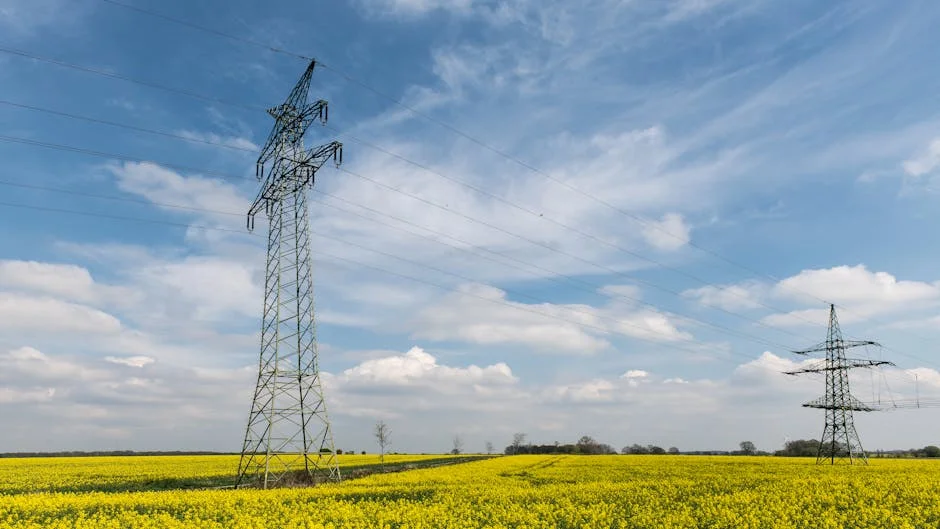
The African Union Commission has moved beyond theoretical frameworks to concrete financial commitments. This $50 billion fund represents the largest single infrastructure investment in the history of the continent’s energy sector. It combines direct loans from the African Development Bank with equity contributions from sovereign wealth funds in Gulf Cooperation Council countries. The financing model reduces reliance on traditional Western lenders, giving African nations greater control over repayment terms and interest rates.
Previous attempts at regional power pooling, such as the West African Power Pool, often stalled due to political fragmentation and currency mismatches. This new initiative addresses those weaknesses by creating a unified settlement currency mechanism for energy trades. Nations will settle power bills in a basket of local currencies, minimizing the impact of the US dollar’s volatility on local energy costs. This financial innovation is essential for sustainable long-term cooperation.
The strategic importance of this move cannot be overstated for continental development goals. Reliable energy is the primary bottleneck for the African Continental Free Trade Area. Without stable power, factories in Lagos cannot compete with those in Accra or Nairobi. By standardizing grid frequency and voltage across borders, the AU removes a major non-tariff barrier to intra-African trade.
Direct Implications for Nigerian Industry
Manufacturing and Cost Competitiveness
Nigeria’s manufacturing sector consumes approximately 40% of the country’s total power supply, yet receives only 25% of the output due to transmission losses. The new grid integration aims to plug this gap by importing surplus hydroelectric power from Ghana and Guinea-Bissau during peak demand hours. This import strategy will lower the reliance on expensive thermal plants in the Niger Delta, which often suffer from pipeline disruptions. Industries in the Lagos-Ibadan corridor will see the earliest benefits of this diversified supply chain.
Local factory owners have expressed cautious optimism about the changes. The reduction in diesel costs alone could save an average medium-sized textile factory in Onitsha up to $1.2 million annually. This financial relief allows companies to reinvest in machinery and workforce training rather than spending heavily on backup power. The competitive advantage gained from lower overheads could attract more foreign direct investment into Nigerian industrial estates.
However, the transition requires significant upgrades to Nigeria’s existing transmission infrastructure. The national grid operator must install new smart meters and digital control systems to manage the bidirectional flow of energy. These technological upgrades are funded partly through the initial $50 billion allocation, ensuring that Nigerian utilities do not bear the entire financial burden. The modernization process also creates thousands of technical jobs for local engineers and technicians.
Political and Regulatory Alignment
Integrating Nigeria’s grid with its neighbors requires harmonizing regulatory frameworks. The Nigerian Electricity Regulatory Commission must align its tariff structures with the West African Power Pool’s pricing models. This alignment involves difficult political decisions, particularly regarding the subsidy removal strategies currently being implemented in Abuja. Politicians must balance the immediate pain of higher initial tariffs against the long-term benefit of grid stability. Public communication will be crucial to maintaining consumer confidence during the transition period.
The federal government in Abuja has established a special task force to oversee the implementation. Led by the Ministry of Power, this task force includes representatives from state governments and private sector stakeholders. Their mandate is to clear bureaucratic bottlenecks that have historically delayed infrastructure projects in Nigeria. The efficiency of this task force will determine whether Nigeria leads the regional integration or lags behind peers like Senegal and Kenya.
Challenges in Implementation and Funding
Securing the full $50 billion commitment remains a significant hurdle. While the African Development Bank has pledged $15 billion in loans, the remaining $35 billion depends on private sector investment and sovereign contributions from member states. Geopolitical tensions in the Horn of Africa and the Sahel region could distract leaders from their financial obligations to the energy fund. Any delay in capital injection could push back the completion timeline for the first phase of the grid. Investors are watching closely to see if African governments can deliver on their fiscal promises.
Technical challenges also loom large. The existing infrastructure in many member states is aging and prone to frequent breakdowns. Synchronizing a modernized Nigerian grid with older systems in neighboring countries requires careful engineering and phased rollouts. A single major fault in the interconnected system could cause a cascading blackout across three or four nations. The AU has mandated the establishment of a continental grid control center in Addis Ababa to monitor real-time data and manage fault responses. This center will use artificial intelligence to predict and mitigate potential disruptions before they escalate into major outages.
Land acquisition for the new transmission lines presents another complex challenge. Rights of way often involve local communities who have historically been marginalized in infrastructure planning. Protests and litigation can delay projects for years if communities are not adequately compensated and consulted. The AU has introduced a standardized social impact assessment framework to ensure that local populations benefit from the projects. This includes job creation, improved local roads, and access to education and healthcare facilities near construction sites. Effective community engagement is essential for the social license to operate.
Broader Developmental Opportunities
Beyond electricity, the energy integration project creates opportunities for cross-border trade in renewable energy certificates. Countries with abundant solar resources, such as Morocco and Egypt, can export green energy credits to nations with higher carbon footprints. This trade mechanism helps African countries meet their Paris Agreement commitments while generating additional revenue streams. The development of a green energy market aligns with the broader African Union goal of achieving carbon neutrality by 2050. It positions the continent as a leader in sustainable development rather than a follower of European and American trends.
The project also stimulates growth in the technology sector. The need for smart grid solutions, battery storage systems, and digital payment platforms creates a fertile ground for African startups. Companies in Lagos, Nairobi, and Cape Town are already developing innovative solutions to manage decentralized energy resources. This technological boom contributes to the diversification of African economies, reducing the historical dependence on commodity exports like oil and gold. The rise of local tech firms enhances the continent’s ability to retain value within its own economic ecosystem.
Education and workforce development receive a significant boost from the project. The construction and operation of the new grid require a skilled workforce of engineers, technicians, and data analysts. Universities and technical colleges across the continent are updating their curricula to meet the new demands. Scholarships and training programs funded by the energy project provide opportunities for young Africans to enter the energy sector. This human capital development ensures that the benefits of the energy revolution are shared across different age groups and social classes.
Regional Stability and Diplomatic Leverage
Energy interdependence fosters diplomatic cooperation and reduces the likelihood of conflict between neighboring countries. When nations share a power grid, they have a vested interest in maintaining stable political relations. Disputes over water resources or border demarcations can be resolved more easily when economic benefits are on the line. The energy project thus serves as a tool for soft power and regional stability. It provides a platform for continuous dialogue and collaboration among African leaders. This diplomatic leverage is particularly valuable in regions prone to political volatility and military coups.
Nigeria’s role as a regional power is reinforced by its central position in the energy network. By successfully integrating its grid with those of its neighbors, Nigeria enhances its influence in West African affairs. This influence translates into greater bargaining power in trade negotiations and diplomatic forums. It allows Nigeria to shape regional policies and standards in ways that benefit its economic interests. The country’s ability to deliver on its commitments under the energy project will be a key indicator of its leadership capacity in Africa.
The success of the Pan-African Energy Integration Project will set a precedent for other continental initiatives. If the energy sector can achieve unity and efficiency, other sectors such as transport, telecommunications, and agriculture can follow suit. The project demonstrates that African nations can collaborate effectively to solve common challenges. It provides a model for future continental projects, showing that coordinated action and shared financial responsibility can yield substantial developmental gains. This model encourages other African institutions to adopt similar approaches to problem-solving.
The next critical milestone is the signing of the bilateral power purchase agreements between Nigeria and its three key neighboring partners. These agreements, expected to be finalized by the end of June 2026, will lock in the pricing and volume commitments for the first phase of the integration. Readers should monitor the announcements from the Ministry of Power in Abuja and the African Development Bank for any updates on the final terms and conditions of these deals. The success of these initial contracts will determine the pace and scale of the broader continental rollout.
See Also
- Mexico and US Officials Killed in Car Crash Near Tijuana
- Nigeria Faces Rising Autoimmune Disease Cases: What This Means for Public Health