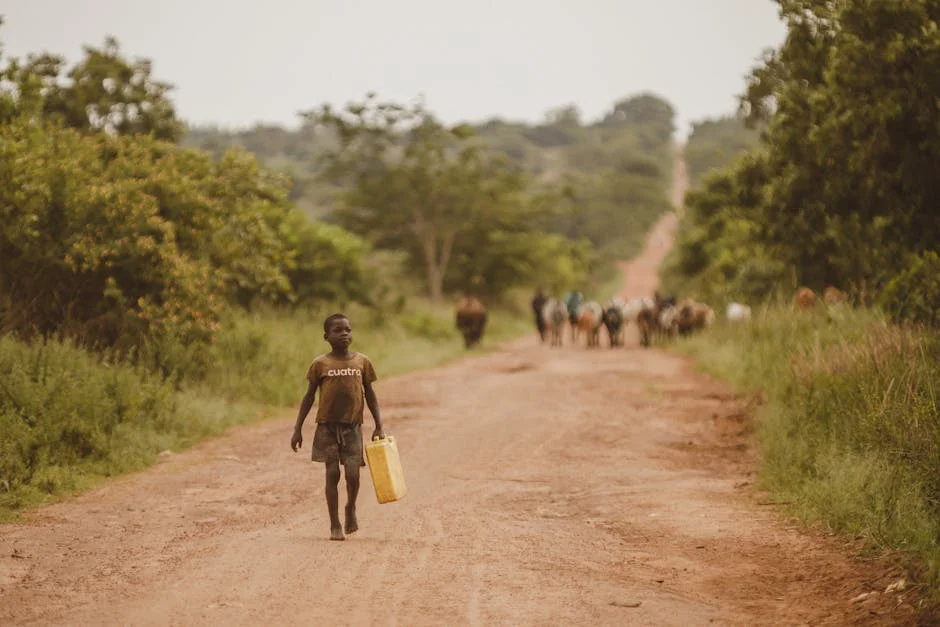
China has effectively paused its aggressive debt relief strategy for the African continent, forcing nations like Nigeria and Ghana to confront a staggering $130 billion repayment burden. This strategic pivot signals a shift from diplomatic goodwill to hard-nosed economic realism, directly impacting the development trajectories of key African economies. The change comes as African leaders struggle to balance infrastructure ambitions with fiscal sustainability.
China’s Strategic Pivot in Africa
Beijing’s approach to the African continent is undergoing a fundamental transformation. For over two decades, China relied on generous lending and infrastructure projects to secure political influence and resource access. However, recent economic pressures within China itself have forced a recalibration of this strategy. The Chinese government is now prioritizing the return on investment over sheer volume of expenditure.
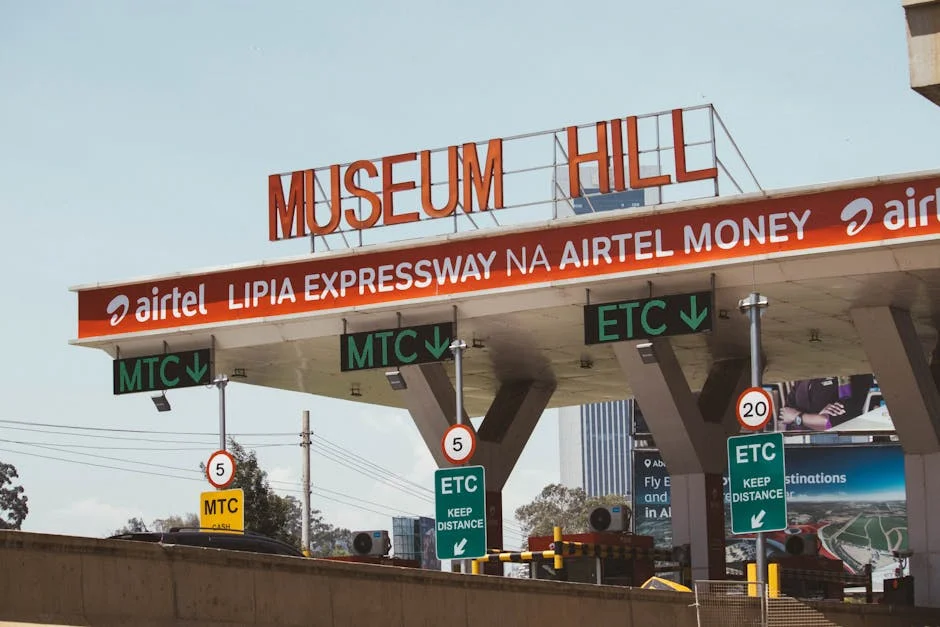
This shift is not merely a financial adjustment but a geopolitical realignment. China seeks to ensure that its African partners are not just borrowers but active contributors to the Belt and Road Initiative. The era of unconditional loans is fading, replaced by more rigorous credit assessments. African nations must now demonstrate stronger governance and economic stability to secure Chinese capital.
The implications for African development goals are profound. Many countries have tied their economic growth forecasts to Chinese infrastructure spending. With China tightening its purse strings, these forecasts face immediate downward revisions. The continent must now diversify its funding sources to avoid over-reliance on a single creditor nation.
Debt Burdens Crush Local Economies
The sheer scale of African debt to China is becoming a critical bottleneck for economic growth. According to recent data from the African Development Bank, Chinese loans account for nearly 25% of Africa’s total external debt. This concentration of liability exposes African economies to fluctuating Chinese interest rates and policy shifts. The risk is no longer theoretical but an immediate fiscal challenge.
Nigeria faces one of the most pressing examples of this debt pressure. The West African giant owes billions to Chinese lenders, much of which was used to fund the Lagos-Ibadan Expressway and various energy projects. Servicing this debt consumes a significant portion of Nigeria’s national budget, leaving less room for health and education spending. The opportunity cost is high for a population of over 200 million people.
Ghana’s recent debt restructuring efforts highlight the complexity of managing Chinese liabilities. Accra had to negotiate directly with Chinese state-owned enterprises to secure favorable terms. This process was lengthy and required significant political capital. It demonstrated that African nations need stronger negotiation teams and clearer legal frameworks to deal with Chinese creditors effectively.
Infrastructure vs. Fiscal Health
The trade-off between infrastructure development and fiscal health is becoming more acute. African leaders must decide whether to prioritize visible infrastructure projects or stabilize their balance sheets. This decision is not binary but requires a nuanced approach to project selection. Not all Chinese-funded projects have delivered the expected economic returns.
Some critics argue that certain infrastructure projects were chosen for political visibility rather than economic utility. The question remains whether these projects generate enough revenue to service the underlying debt. Without rigorous cost-benefit analyses, African nations risk building assets that become financial anchors rather than engines of growth. This requires a new level of transparency in public-private partnerships.
Impact on Key African Sectors
The slowdown in Chinese investment directly affects several critical sectors across the continent. Energy, transportation, and digital infrastructure have all seen a dip in new project announcements. This slowdown threatens to stall the modernization efforts of many African nations. The pace of development may slow down significantly without fresh capital injections.
In the energy sector, many solar and hydroelectric projects in East Africa face delays. These projects were crucial for expanding grid coverage and reducing reliance on expensive diesel generators. Delays mean higher energy costs for businesses and households, which in turn affects inflation and consumer spending. The ripple effect touches every aspect of the local economy.
The digital infrastructure sector is also feeling the pinch. China has been a major investor in fiber optic cables and mobile network expansions. With reduced investment, the rollout of 5G and broadband internet may slow down. This is critical for the growing tech hubs in cities like Lagos, Nairobi, and Cape Town. Digital connectivity is no longer a luxury but a necessity for economic competitiveness.
Opportunities for African Agency
Despite the challenges, China’s pivot presents opportunities for African nations to assert more agency. African leaders can use this moment to diversify their economic partnerships. They can look to the European Union, the United States, and emerging markets like India and Turkey for alternative funding. This diversification can reduce dependency and improve bargaining power.
The African Continental Free Trade Area (AfCFTA) offers another avenue for growth. By boosting intra-African trade, nations can generate more foreign exchange to service their debts. This reduces reliance on external loans for current account deficits. The AfCFTA can help create a more resilient and integrated African economy that is less vulnerable to external shocks.
Improved governance and transparency can also attract new investors. African nations that demonstrate strong fiscal management and clear regulatory frameworks will be more attractive to global capital. This requires political will and a commitment to reform. It is a long-term strategy but essential for sustainable development. The continent must show that it is a reliable partner for global investors.
The Role of Regional Organizations
Regional organizations like the African Union and the Economic Community of West African States (ECOWAS) play a crucial role in coordinating the response. These bodies can negotiate collectively with Chinese lenders to secure better terms. A unified front can prevent Chinese creditors from playing one country against another. Collective bargaining power is a significant advantage in international finance.
The African Development Bank can also provide technical assistance and financing to help nations manage their debt. The bank has launched several initiatives to support debt sustainability across the continent. These initiatives include technical assistance for debt restructuring and funding for high-impact infrastructure projects. Leveraging these resources is key to navigating the current financial landscape.
Furthermore, regional organizations can facilitate knowledge sharing and best practices. Countries that have successfully managed their Chinese debt can share their experiences with others. This peer-to-peer learning can help accelerate the adaptation process. It fosters a sense of continental solidarity and shared purpose in the face of common challenges.
What To Watch Next
The next twelve months will be critical in determining how African nations adapt to China’s new strategy. Watch for announcements regarding the restructuring of major debt portfolios in Kenya, Ethiopia, and Senegal. These countries have some of the highest exposure to Chinese lending. Their decisions will set precedents for other African nations.
Monitor the progress of the African Continental Free Trade Area implementation. The speed at which intra-African trade grows will indicate the continent’s ability to generate internal revenue. This is a key metric for reducing external debt dependency. Investors will be closely watching these developments to gauge the continent’s economic resilience.
Finally, keep an eye on the diplomatic engagements between African leaders and Chinese officials. The outcomes of these meetings will reveal the new terms of engagement. Look for shifts in the types of projects being funded and the conditions attached to new loans. These details will provide insight into the future direction of Sino-African relations.
See Also
- Ryanair Warns of Airline Collapse if Jet Fuel Prices Stay High
- Trump Threatens Trade War — and Nigeria’s Economy Trembles