African corporations are stepping into the spotlight this Africa Day, challenging the traditional narrative that political leaders alone drive continental progress. Business leaders across the continent argue that sustained economic growth requires active corporate participation in policy shaping and infrastructure development. This shift marks a strategic move to align commercial interests with the broader goals of the African Union’s Agenda 2063.
Shifting the Burden from State to Sector
For decades, the annual celebration of Africa Day on May 25 has been dominated by heads of state delivering grand speeches in Addis Ababa. Governments have historically shouldered the weight of diplomatic negotiations, trade agreements, and social welfare programs. However, the private sector is now demanding a more formalized role in these critical discussions. This change reflects a growing recognition that state budgets are often stretched thin by debt servicing and immediate political needs.
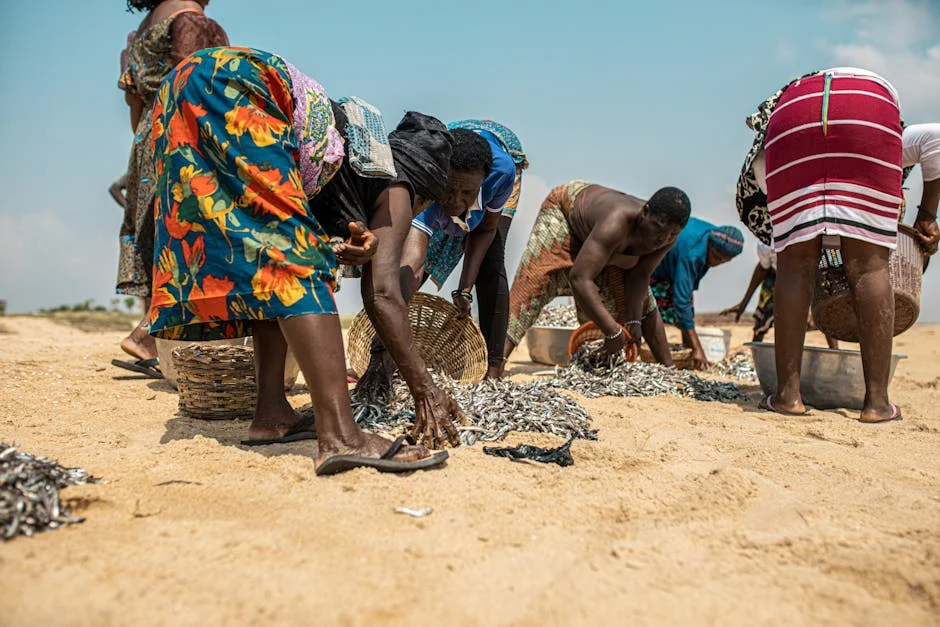
Corporate executives from Lagos to Nairobi are arguing that businesses are no longer just passengers on the economic train. They are becoming co-drivers, investing in roads, energy grids, and digital connectivity where governments have lagged. The "Not Just Governments" movement emphasizes that without robust private sector involvement, development goals remain theoretical rather than tangible. This perspective is gaining traction among investors who see stability and growth as prerequisites for long-term profitability.
Corporate Investment in Critical Infrastructure
The African continent faces a massive infrastructure deficit, estimated at between $68 billion and $108 billion annually. This gap hinders trade, increases the cost of goods, and stifles manufacturing potential across key economic hubs like Accra and Johannesburg. Private companies are increasingly filling this void by financing and managing critical projects that directly impact daily life and economic output. These investments range from renewable energy farms in Kenya to digital payment systems in Nigeria.
Energy and Digital Connectivity
Energy remains one of the most pressing challenges for African industries. Many factories in Nigeria and Ghana run on diesel generators due to inconsistent power supply, driving up operational costs by up to 30%. Private energy firms are responding by building independent power plants and mini-grids, reducing reliance on national grids. Similarly, the telecommunications sector has seen massive private investment, with fiber optic cables and 4G networks expanding into rural areas. This digital infrastructure is crucial for the growth of fintech and e-commerce, sectors that are booming across the continent.
The Role of Regional Trade Agreements
The African Continental Free Trade Area (AfCFTA) represents a historic opportunity to boost intra-African trade. However, its success depends heavily on how effectively businesses can navigate new tariff structures and logistics networks. Companies are calling for greater input into the implementation phases of the AfCFTA to ensure that policies are practical and business-friendly. Without active corporate engagement, the agreement risks remaining a paper tiger with limited impact on the average consumer.
Trade barriers still exist despite the agreement, including non-tariff barriers such as complex customs procedures and varying regulatory standards. Businesses are urging governments to harmonize these regulations to reduce the cost of doing business across borders. This harmonization is essential for creating a single market that can compete with global economic powerhouses like the European Union and the United States. The private sector views this as a critical step toward achieving economies of scale and attracting foreign direct investment.
Social Impact and Sustainable Development
Beyond infrastructure and trade, African businesses are taking on significant social responsibilities. Many corporations are launching initiatives to improve education, healthcare, and gender equality in their host communities. These efforts align with the United Nations Sustainable Development Goals (SDGs), which many African nations have adopted as key benchmarks for progress. Companies recognize that a healthier, better-educated workforce leads to higher productivity and consumer spending power.
Education is a particular focus area, with several tech companies partnering with universities to bridge the skills gap. These partnerships aim to equip young Africans with the digital and technical skills needed for the modern economy. Healthcare initiatives are also expanding, with pharmaceutical companies and private hospitals increasing access to quality care in underserved regions. This social investment helps build brand loyalty and creates a more stable operating environment for businesses.
Challenges Facing the Private Sector
Despite the growing influence of African businesses, significant challenges remain. Currency volatility poses a major risk to profitability, particularly in countries with high inflation rates. Exchange rate fluctuations can erode profits quickly, making long-term planning difficult for companies that import raw materials or export finished goods. Political instability and policy inconsistency also deter investment, as businesses struggle to predict the regulatory environment.
Access to finance is another critical hurdle for small and medium-sized enterprises (SMEs), which form the backbone of many African economies. High interest rates and limited credit availability constrain growth and innovation. Banks often demand substantial collateral, which many SMEs lack, leading to a credit crunch that slows down economic expansion. Addressing these financial barriers is essential for unlocking the full potential of the African private sector.
What This Means for Nigeria and Beyond
Nigeria, as Africa’s largest economy, serves as a test case for the "Not Just Governments" approach. The country’s diverse private sector, ranging from oil and gas to technology and agriculture, is increasingly influencing national policy. Nigerian businesses have been active in advocating for tax reforms, infrastructure improvements, and monetary policy adjustments. Their engagement has led to tangible changes, such as the introduction of the e-Collar system for fuel subsidies and the expansion of the Lagos-Calabar Coastal Highway.
The impact of this corporate activism extends beyond Nigeria. Other major economies like South Africa, Egypt, and Kenya are seeing similar trends, with businesses taking a more proactive role in shaping their national and continental futures. This collective action strengthens the voice of the African private sector on the global stage, influencing international investors and partners. It also fosters a culture of accountability, where both governments and businesses are held responsible for delivering results.
Looking Ahead: Next Steps for Continental Growth
The momentum behind the "Not Just Governments" movement is likely to accelerate in the coming years. As African nations prepare for the next phase of the AfCFTA implementation, businesses will need to double down on their engagement efforts. This includes forming stronger industry associations, investing in market research, and building strategic partnerships with governments. The goal is to create a synergistic relationship where policy and commerce work together to drive sustainable growth.
Readers should watch for the upcoming African Union Summit, where corporate leaders are expected to present a unified agenda for private sector involvement. This summit will be a key indicator of how seriously governments are taking the call for shared responsibility. The decisions made there will shape the economic landscape of Africa for the next decade, influencing everything from trade flows to infrastructure development. Staying informed on these developments is essential for anyone interested in the future of African growth.
See Also
- Bengaluru Professor Suspended Over Offensive Remarks Against Muslim Student
- Trump's Pick for Africa Upsets South Africa With Security Threats
Other major economies like South Africa, Egypt, and Kenya are seeing similar trends, with businesses taking a more proactive role in shaping their national and continental futures. This summit will be a key indicator of how seriously governments are taking the call for shared responsibility.
What is the latest news about african firms take africa day to drive continental growth?
Why does this matter for economy-business?
What are the key facts about african firms take africa day to drive continental growth?