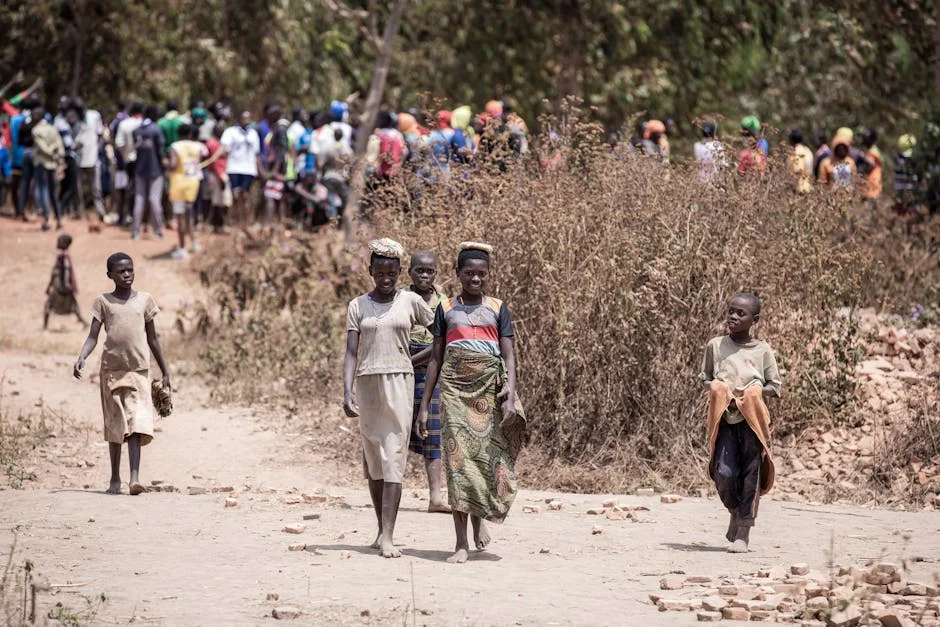
The World Health Organization (WHO) has declared a global health emergency for Ebola in the Democratic Republic of the Congo, a move that has sparked intense scrutiny over the timing of the announcement. Reports indicate that the virus was identified in the DRC weeks before the formal declaration was made public, raising questions about the speed of continental response mechanisms. This delay highlights critical gaps in Africa’s health infrastructure, which continues to struggle with rapid data sharing and resource mobilization across borders.
Timeline of the Declaration
The discrepancy between the initial identification of the Ebola virus and the subsequent WHO declaration has become the focal point of current health debates. According to health officials in Kinshasa, the first confirmed cases emerged in the eastern provinces, specifically in North Kivu, several weeks prior to the Geneva announcement. The WHO’s formal declaration came only after the case count had risen sharply, prompting fears that the window for early containment had partially slipped.

This lag in communication is not merely a bureaucratic delay but a structural issue affecting the entire continent. The time gap allows the virus to spread through porous borders and urban centers before international aid and local governments are fully synchronized. For African nations, this means that by the time the emergency is officially declared, the logistical challenge of response has already increased significantly. The speed at which information travels from the clinic to the global stage determines the effectiveness of the initial lockdown and vaccination drives.
Health ministers across the African Union have expressed frustration with the traditional reporting channels. The current system relies heavily on national ministries to feed data to regional hubs, which then transmit findings to the WHO headquarters. Each step in this chain introduces potential delays, whether due to political hesitation, logistical bottlenecks, or simple data verification processes. The recent Ebola outbreak in the DRC serves as a stark reminder that these processes need to be streamlined to match the velocity of the disease.
Infrastructure Gaps in the DRC
The Democratic Republic of the Congo faces unique challenges in managing an Ebola outbreak due to its vast geography and varied terrain. The eastern regions, where the virus was first identified, are characterized by dense rainforests and hilly landscapes that complicate the movement of medical teams and supplies. Roads that connect rural villages to major health centers are often in poor condition, making rapid deployment of mobile clinics a difficult task.
Urban centers like Goma and Bukavu are also at risk, as they serve as hubs for trade and travel within the Great Lakes region. The population density in these cities means that the virus can spread quickly from person to person, especially in markets and public transport systems. Health workers in these areas are often stretched thin, dealing with a mix of infectious diseases including malaria, cholera, and measles alongside the Ebola threat. This burden on the health workforce reduces the overall capacity to respond effectively to new outbreaks.
Investment in local health infrastructure has been a recurring theme in African development goals, yet progress remains uneven. The DRC has seen improvements in its health system over the past decade, with more clinics built and more nurses trained. However, these gains are often fragile and susceptible to disruption by political instability and economic fluctuations. The current Ebola emergency tests the resilience of these investments, revealing where the system holds strong and where it cracks under pressure.
Continental Health Security
Regional Coordination Challenges
The spread of Ebola in the DRC is not just a national crisis but a continental one, given the interconnectedness of African economies and societies. Neighboring countries such as Uganda, Rwanda, and Tanzania have already begun to tighten their border controls and increase surveillance at entry points. This reactive approach is necessary but often comes with economic costs, as trade flows are disrupted and travel becomes more expensive and time-consuming for citizens.
The African Union has called for a more coordinated regional response, emphasizing the need for shared resources and information. The African CDC, based in Addis Ababa, has been working to harmonize the efforts of different national health ministries. However, the effectiveness of this coordination depends on the political will of individual countries to open up their data and share their medical supplies. In times of crisis, national interests can sometimes override continental solidarity, leading to fragmented efforts.
One of the key challenges is the lack of a unified command structure for health emergencies across the continent. Each country has its own protocols and procedures, which can lead to confusion when health workers and patients cross borders. The recent Ebola outbreak has highlighted the need for a more integrated approach, where decisions about quarantine, vaccination, and treatment are made with a regional perspective in mind. This requires deeper trust and cooperation between neighboring nations, which is not always easy to achieve in a diverse continent.
Economic Impact on Growth
The economic implications of a delayed Ebola declaration are significant for the DRC and the wider African continent. The DRC is one of Africa’s largest economies, driven by its rich mineral resources including copper and cobalt, which are crucial for the global technology and energy sectors. Disruptions in mining operations due to lockdowns and health precautions can have a ripple effect on global supply chains, affecting prices and availability of key materials.
Small businesses and the informal sector, which employ a large portion of the African workforce, are particularly vulnerable to health crises. When markets close and travel restrictions are imposed, income flows dry up quickly, pushing many families back into poverty. The World Bank has warned that health emergencies can set back economic growth by several percentage points, eroding years of development gains. For the DRC, the cost of the Ebola response is not just measured in medical expenses but also in lost productivity and investment.
Investors are closely watching the situation in the DRC to assess the stability of the business environment. Uncertainty about the duration and severity of the outbreak can lead to a wait-and-see approach, where companies delay new projects or expand existing ones. This hesitation can slow down economic recovery and make it harder for the country to attract foreign direct investment. The speed and effectiveness of the health response, therefore, have direct economic consequences that extend beyond the health sector.
Global Health Governance
The WHO’s role in declaring a global health emergency is powerful but also subject to criticism when the timing seems off. The organization is responsible for coordinating the international response, mobilizing funding, and providing technical guidance to affected countries. However, the decision to declare an emergency is often influenced by political and economic factors, not just the scientific data. This can lead to perceptions of bias or delay, which can undermine the trust in global health governance.
African leaders have long argued for a greater voice in global health decision-making. The recent Ebola outbreak in the DRC has renewed calls for reform within the WHO and other international bodies. There is a growing consensus that Africa needs more representation in the executive committees and that the funding mechanisms for health emergencies need to be more predictable and flexible. This is part of a broader push for African agency in shaping the global health agenda.
The effectiveness of the global response also depends on the cooperation of donor countries and international organizations. The funding pledged for the Ebola response needs to be disbursed quickly to ensure that health workers are paid, vaccines are delivered, and laboratories are equipped. Delays in funding can have a direct impact on the speed of the response, as seen in previous outbreaks. The African Union has established its own health fund to reduce dependence on external donors, but this fund still needs to be scaled up to meet the continent’s needs.
Lessons for Future Outbreaks
The current Ebola emergency offers valuable lessons for future health crises in Africa. One of the key takeaways is the importance of early detection and rapid reporting. Investing in surveillance systems that can identify outbreaks in real-time can help to contain the virus before it spreads widely. This includes strengthening community health worker networks, improving laboratory capacity, and using digital tools for data collection and analysis.
Another lesson is the need for better coordination between national, regional, and global actors. A unified command structure can help to streamline decision-making and reduce duplication of efforts. This requires clear lines of communication and shared objectives, which can be achieved through regular dialogue and joint planning exercises. The African CDC can play a central role in facilitating this coordination, acting as a hub for information and resources.
Finally, the outbreak highlights the importance of investing in health infrastructure as a key driver of African development. A strong health system is not just a social good but also an economic asset, contributing to productivity, stability, and growth. The DRC’s experience shows that when health infrastructure is robust, the continent is better equipped to face challenges and seize opportunities. The path forward requires sustained political commitment and financial investment to build a health system that can withstand future shocks.
Readers should watch for the upcoming African Union Health Ministers’ meeting, where the timing of future declarations and the allocation of emergency funds will be key agenda items. The decisions made in the next few weeks will set the tone for how the continent manages not just Ebola, but future health crises. Monitoring the disbursement of WHO funds and the implementation of regional vaccination drives will provide clear indicators of the effectiveness of the current response strategy.