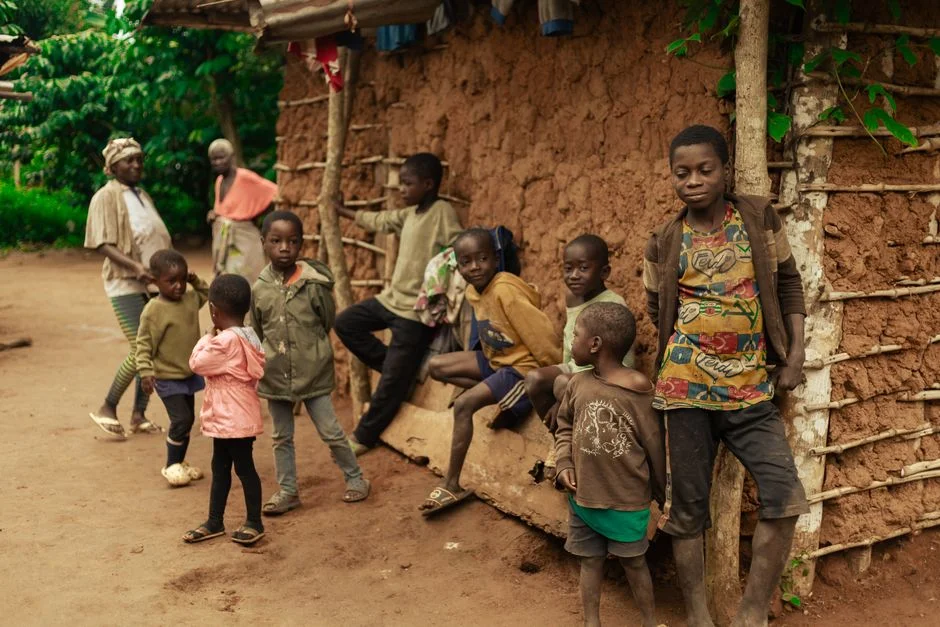
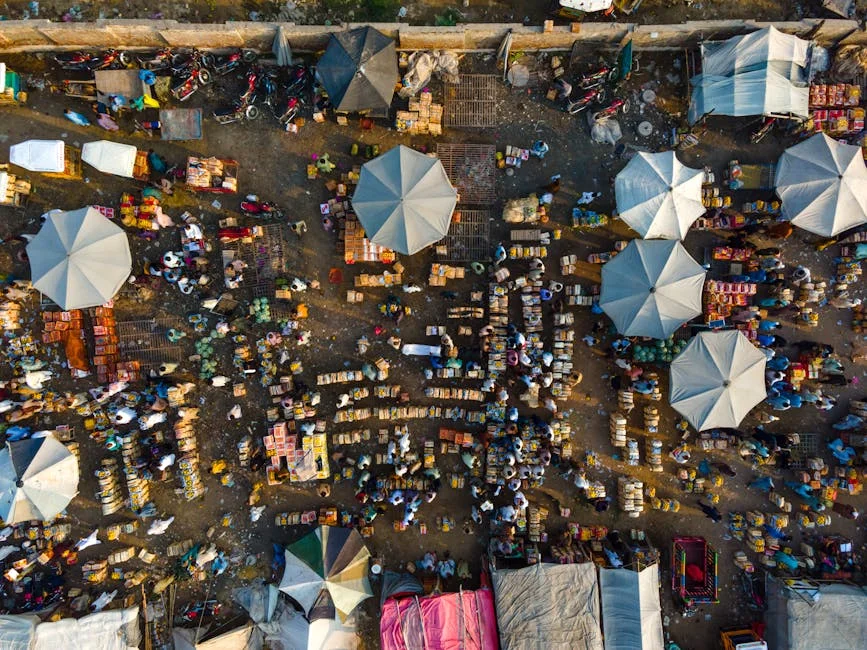
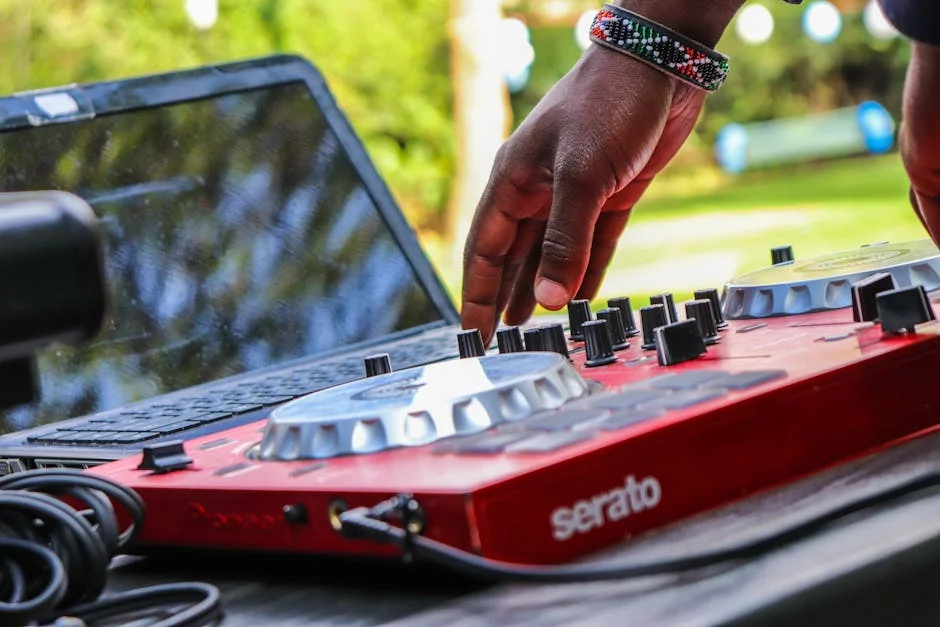
The African Development Bank unveiled plans this week to channel $2.5 billion into the continent's creative economy by 2028, marking one of the largest institutional bets yet on Africa's film, music, fashion, and digital content sectors. The initiative aims to transform informal creative enterprises into exportable industries capable of competing on global platforms. Officials at the bank's headquarters in Abidjan confirmed the funding will flow through a mix of grants, low-interest loans, and equity investments targeting entrepreneurs often locked out of traditional financing.
A Sector Too Big to Ignore
Africa's creative industries already employ roughly 30 million people, according to estimates from the African Union's cultural division. Nollywood alone produces more films annually than Hollywood, while African music streams have surged on platforms like Spotify and Apple Music. Yet the sector has struggled to translate cultural output into sustainable economic returns. Most creative businesses operate informally, without collateral or credit histories that banks require. This new financing framework was designed specifically for project-based revenue models, allowing creators to access capital based on future earnings rather than physical assets.
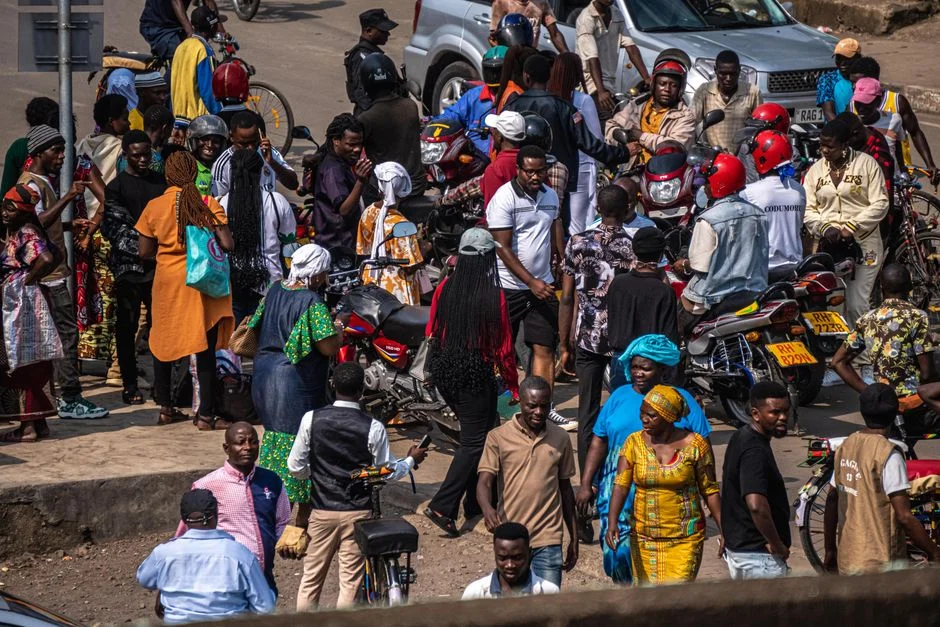
How the Money Will Flow
The African Development Bank will distribute funds through three channels. The first focuses on infrastructure—building production studios, distribution networks, and digital platforms across key markets. The second targets capacity building, offering business training and mentorship programmes for emerging creators. The third establishes a guarantee mechanism that encourages private lenders to extend credit to creative enterprises deemed too risky under conventional assessment criteria. Local and regional development banks in Nigeria, Kenya, and South Africa will serve as implementing partners, managing disbursements and monitoring outcomes in their respective markets.
Why Now
The timing reflects shifting global attitudes toward creative economies as development tools. Countries like South Korea built national wealth by treating entertainment as an export industry. Policymakers across Africa have taken note. The African Continental Free Trade Area agreement, which took effect in 2021, includes provisions for reducing tariffs on cultural goods and services across member states. Nigeria's Federal Ministry of Arts, Culture, and Creative Economy launched a national strategy last year to double the sector's contribution to GDP by 2030. The new funding from the African Development Bank dovetails with these existing efforts, providing capital that governments alone cannot mobilise.
What Stands in the Way
Despite the optimism, significant obstacles remain. Intellectual property enforcement stays weak across most of the continent, costing creators billions in lost revenue annually. Digital payment infrastructure varies widely between countries, making it difficult for African creators to monetise content for international audiences. The African Development Bank acknowledged these challenges in its announcement, noting that technical assistance programmes would accompany the financing to address systemic gaps. The bank will require recipient countries to demonstrate progress on regulatory reforms as a condition for continued disbursements.
Nigeria's Creative Capital
Lagos has long served as the nerve centre of Africa's entertainment industry. The city's film studios and music labels have produced artists with millions of global listeners. Under the new framework, Nigerian creators will have access to a dedicated $400 million financing window administered through the Bank of Industry. Officials in Abuja confirmed the funds would prioritise production companies seeking to expand into international distribution. The Bank of Industry will partner with private equity firms to structure deals that combine debt and equity, giving creators flexibility without requiring them to cede ownership stakes outright.
Building the Pipeline
Beyond financing, the initiative includes provisions for education and skills development. The African Development Bank committed $150 million to establish creative economy curricula at universities in Lagos, Nairobi, and Johannesburg. These programmes will train the next generation of producers, distributors, and entrepreneurs. Industry associations welcomed the announcement, though some expressed caution about execution timelines. Several pan-African entertainment companies announced plans to participate in the mentorship components, offering practical experience alongside academic instruction.
What Comes Next
Implementation begins in the first quarter of next year, with Nigeria, Kenya, and South Africa serving as pilot countries. The African Development Bank will publish quarterly progress reports tracking disbursements and measurable outcomes. Trade ministers from AU member states plan to convene in Addis Ababa next March to assess early results and consider expanding the programme to additional countries. Whether $2.5 billion proves sufficient to shift Africa's creative economy onto a globally competitive trajectory remains uncertain. What is clear is that the institutional architecture for trying is now in place—and the first moves will become visible within months.
See Also
- Smallcaps Surge as Nigeria's Market Defies Challenges
- Zurich Insurance Acquires Beazley for $9 Billion: Implications for Africa
What is the latest news about africas creative economy gets 25 billion boost to compete globally?
Why does this matter for economy-business?
What are the key facts about africas creative economy gets 25 billion boost to compete globally?