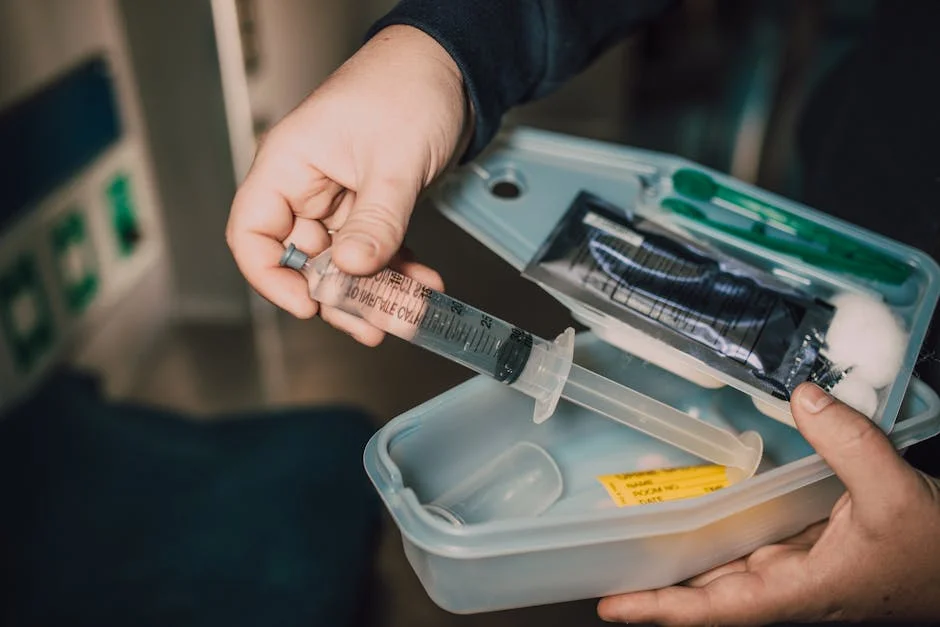
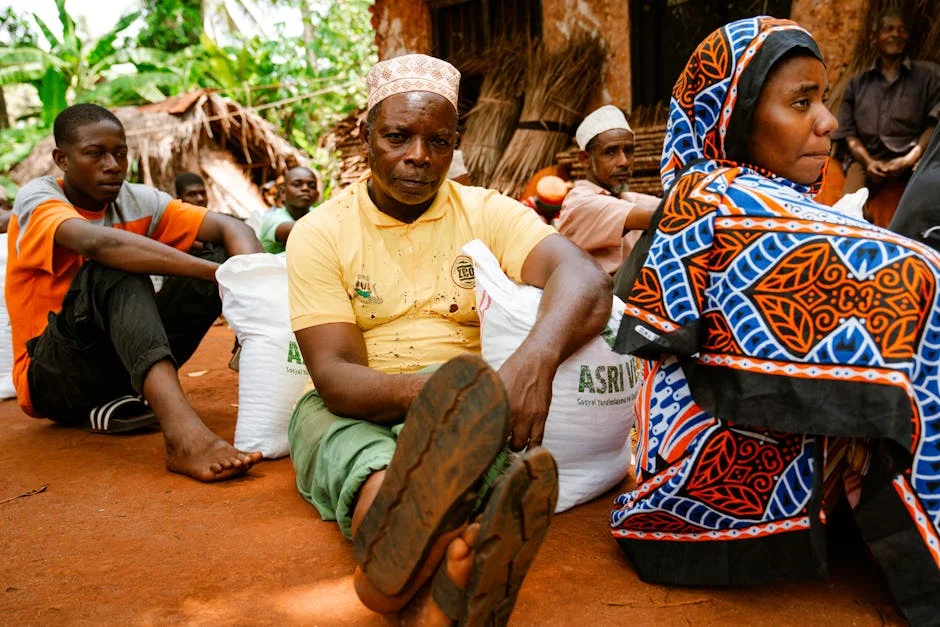
The Democratic Republic of the Congo has formally requested emergency international assistance as a new strain of the Ebola virus spreads rapidly through the country’s eastern provinces. Health officials in Kinshasa report that the outbreak has already claimed dozens of lives, threatening to overwhelm a healthcare system that has been under constant pressure for months. This development marks a critical test for African health governance and regional cooperation.
Escalating Crisis in Eastern Congo
The virus has taken hold in regions that are already grappling with political instability and logistical nightmares. The Democratic Republic of the Congo is one of Africa’s largest nations by landmass, yet its infrastructure remains fragmented and often inaccessible during the rainy season. Medical teams are struggling to reach remote villages where the virus is spreading silently before symptoms appear.
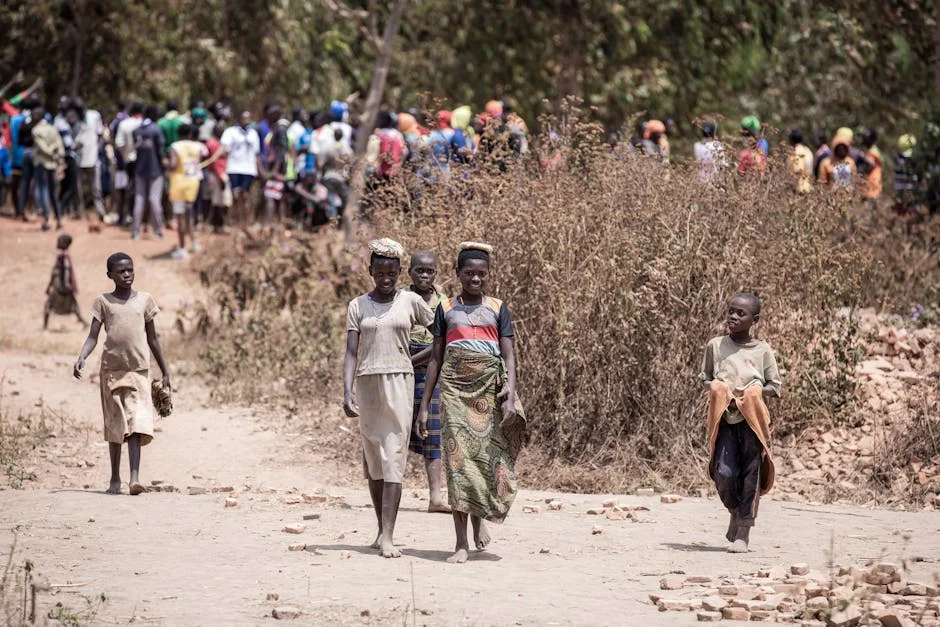
Government health ministers have confirmed that the current outbreak is more contagious than previous waves. This biological shift requires faster response times and more advanced containment strategies. The World Health Organization has begun deploying rapid response teams to the epicenter of the crisis. These teams are working to trace contacts and isolate patients in makeshift treatment centers.
The speed of the spread is alarming to regional health authorities. In the past, containment efforts relied heavily on community engagement and swift vaccination campaigns. However, local populations in some areas are showing signs of fatigue and skepticism towards health interventions. This social dynamic complicates the medical response significantly.
Infrastructure Gaps Hinder Response Efforts
The Ebola outbreak highlights the stark reality of infrastructure deficits in Central Africa. Many health clinics in the eastern provinces lack basic supplies such as personal protective equipment and reliable electricity. Without power, refrigerating vaccines becomes a daily challenge for local doctors. The absence of paved roads delays the transport of patients and medical supplies from Kinshasa to the border regions.
Development goals for the African continent emphasize the need for resilient health systems. The current crisis exposes how fragile these systems remain when faced with a sudden shock. Investing in rural healthcare infrastructure is not just a medical necessity but an economic imperative. When a major disease outbreak occurs, trade and labor mobility slow down, affecting the entire regional economy.
Local governments are calling for increased funding to upgrade health facilities. They argue that reliance on temporary field hospitals is not a sustainable long-term solution. Permanent structures with modern equipment would reduce the time needed to mobilize resources during future emergencies. This investment aligns with broader African Union strategies for health security.
Logistical Challenges in Remote Areas
Transporting medical supplies to the DRC’s eastern frontiers requires a multi-modal approach. Roads are often washed out, forcing teams to use boats and even helicopters for movement. This logistical complexity increases the cost of the response effort exponentially. Donors are now scrutinizing how efficiently their funds are being utilized in the field.
Community health workers play a vital role in bridging the gap between clinics and villages. They walk miles each day to deliver vaccines and educate families about hygiene practices. Their efforts are often underfunded, leading to high turnover rates among these essential workers. Recognizing and compensating these workers is a key recommendation from health analysts.
Economic Impacts on Regional Trade
The health crisis in the DRC has immediate economic repercussions for its neighbors. Trade routes that connect the Congo to Uganda, Rwanda, and Tanzania are seeing increased border controls. These checks slow down the movement of goods, leading to price increases for essential commodities in neighboring countries. The ripple effect is felt in markets as far away as Lagos and Nairobi.
Nigeria, as a major economic hub in West Africa, monitors the situation closely. The DRC is a key source of minerals like cobalt and copper, which are essential for the global tech industry. Disruptions in mining operations due to health scares can affect global supply chains. This connection demonstrates how a health crisis in Central Africa can influence economic stability in West Africa.
Investors are watching the DRC’s health metrics to gauge stability. A prolonged outbreak could lead to foreign direct investment flowing to other African nations. Countries with stronger health infrastructures may attract more capital as investors seek safer environments. This dynamic encourages regional competition to improve health governance standards.
Regional Cooperation and Health Governance
The African Union has emphasized the need for a unified response to the Ebola outbreak. Regional health communities are sharing data and resources to contain the virus more effectively. This collaboration is a step towards the African Continental Free Trade Area’s goal of seamless movement of people and goods. Health security is becoming a cornerstone of economic integration.
Political will is crucial for sustaining these cooperative efforts. Leaders from neighboring countries are holding regular video conferences to align their strategies. They are discussing the creation of a regional reserve of medical supplies. This reserve would allow for quicker deployment of resources without waiting for international aid shipments. Such initiatives reduce dependency on external donors.
Governance challenges in the DRC also impact the health response. Corruption and bureaucratic delays can hinder the efficient use of funds. Strengthening institutional capacity is necessary to ensure transparency in health spending. International partners are urging the DRC to implement stricter financial controls on health projects. This focus on governance is vital for long-term development.
Global Health Security and African Leadership
The DRC’s appeal for help places African health leadership under the global spotlight. The continent has made significant strides in managing infectious diseases in recent decades. However, the Ebola outbreak shows that more work is needed to achieve true health security. African nations are advocating for a greater share in global health decision-making processes.
International organizations are responding with funding and technical expertise. The United Nations and the World Bank have pledged billions of dollars to support African health systems. These funds are targeted at strengthening primary healthcare and disease surveillance networks. The goal is to create a more resilient health infrastructure that can withstand future shocks.
African researchers are also playing a larger role in vaccine development and distribution. Local production of medical supplies reduces reliance on imports and lowers costs. This shift towards self-reliance is a key theme in African development strategies. It empowers local economies and creates jobs in the health technology sector.
Community Engagement and Social Dynamics
Successful containment of Ebola depends heavily on community trust. In many DRC communities, rumors and traditional beliefs influence how people respond to health interventions. Health workers are engaging with local leaders and religious figures to bridge this gap. These collaborations help to demystify the disease and encourage vaccination uptake.
Educational campaigns are being tailored to local languages and cultural contexts. Radio broadcasts and community meetings are effective tools for reaching remote populations. These efforts aim to change behaviors such as burial practices that can spread the virus. Community ownership of the health response is critical for its sustainability.
Social media also plays a dual role in the crisis. It can spread information quickly but also amplify misinformation. Health authorities are using digital platforms to counter false narratives and update the public. This digital engagement is becoming an essential component of modern health communication strategies in Africa.
Future Outlook and Development Goals
The response to the DRC Ebola outbreak will shape health policy across the continent for years to come. Stakeholders are using this crisis as a catalyst for broader reforms in health financing and infrastructure. The African Union is pushing for a dedicated health fund to support emergency responses. This fund would provide financial stability for health ministries during crises.
Long-term development goals include achieving universal health coverage for African populations. The Ebola crisis highlights the gaps in this coverage, particularly in rural areas. Closing these gaps requires sustained investment and political commitment from national governments. The international community must also honor its pledges to support these efforts.
Readers should monitor the upcoming African Union Health Ministers’ summit for new policy announcements. This summit will likely produce a roadmap for strengthening regional health security. The decisions made there will influence health investments across the continent in the next decade. Watch for specific commitments from major donors and African nations alike.
See Also
- South African Firms Underestimate ESG Shift — Costs Could Soar by 45%
- Leicester Falls to L1 as Coventry Claims Championship
The continent has made significant strides in managing infectious diseases in recent decades. International organizations are responding with funding and technical expertise.
What is the latest news about dr congo demands urgent global aid as new ebola outbreak surges?
Why does this matter for health-medicine?
What are the key facts about dr congo demands urgent global aid as new ebola outbreak surges?