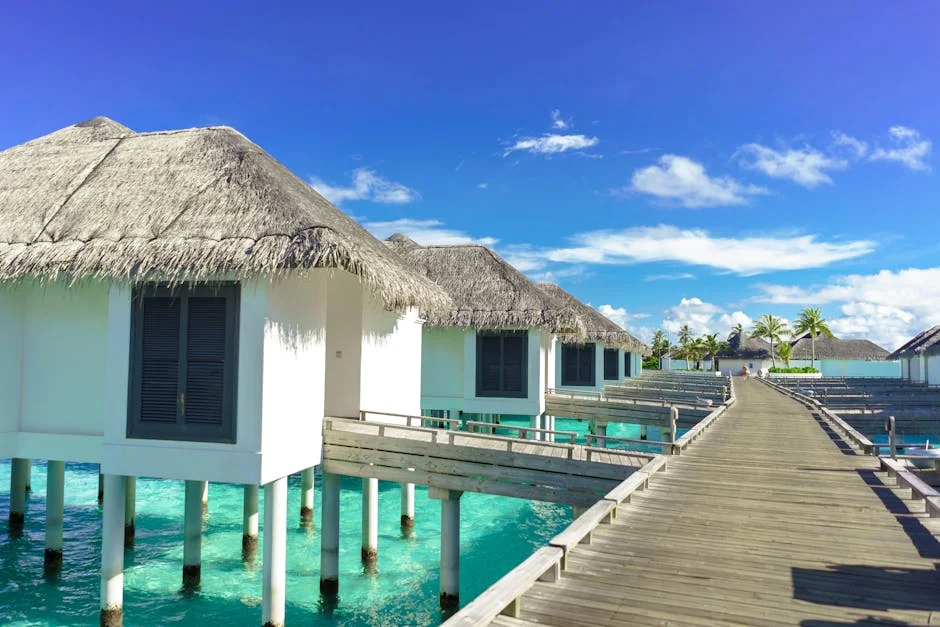
The Maldives, a tropical paradise renowned for its stunning atolls, is among the ten countries globally with no rivers. This geographical peculiarity poses unique challenges and opportunities for sustainable water management, a lesson that African countries can draw from to address their own water scarcity issues.
Understanding Riverless Nations
In addition to the Maldives, other countries without rivers include Bahrain, Kuwait, and the United Arab Emirates, primarily located in the Arabian Peninsula. These nations rely on alternative water sources such as desalination to meet their needs. The Maldives, for instance, heavily invests in rainwater harvesting and desalination to provide for its population of over 530,000 residents.
This reliance on innovative water solutions highlights the potential for resource management strategies that can be adapted to African contexts. By focusing on sustainable practices, African nations can mitigate the impact of climate change and erratic weather patterns on their water supplies.
Lessons for Nigeria and Beyond
Nigeria, historically impacted by water scarcity in its northern regions, can learn from the Maldives' approach. The West African nation has struggled with managing its extensive river systems, including the Niger and Benue Rivers, which are crucial for agriculture and energy.
Implementing desalination plants and rainwater harvesting systems similar to those in the Maldives could enhance water availability in arid regions like Borno and Yobe. By investing in technology and infrastructure, Nigeria could improve its water security and foster economic growth.
Potential for Pan-African Collaboration
Addressing continental water challenges requires collaboration. The African Union can facilitate partnerships among member states to share technologies and expertise. By working together, countries can develop continent-wide strategies to manage water resources more effectively.
Such initiatives align with the African Union's Agenda 2063 goals, which aim to ensure sustainable development and improved quality of life for all Africans. Collaborating with countries like the Maldives can inspire innovative solutions tailored to Africa's unique needs.
Future Developments to Watch
As African nations continue to seek methods for improving water management, upcoming forums such as the African Water Association Conference offer platforms to explore new technologies and partnerships. Stakeholders from government, industry, and academia are expected to convene in Nairobi in March 2024 to discuss these critical issues.
Policymakers and development partners should seize these opportunities to implement strategies that ensure water security and support economic resilience across the continent. By learning from riverless nations like the Maldives, Africa can turn challenges into opportunities for growth and development.
See Also
- Tirupati Consecrates Shiva Temple Amid Religious Fervor
- Nigeria Secures Host Status for 2027 Intra-African Trade Fair
The African Union can facilitate partnerships among member states to share technologies and expertise. Stakeholders from government, industry, and academia are expected to convene in Nairobi in March 2024 to discuss these critical issues.Policymakers and development partners should seize these opportunities to implement strategies that ensure water security and support economic resilience across the continent.
What is the latest news about maldives thrives without rivers lessons for africas water management?
Why does this matter for economy-business?
What are the key facts about maldives thrives without rivers lessons for africas water management?