Portugal's national public broadcaster, RTP Online, has launched a rural fire prevention and response training program, enrolling 50,000 citizens in its first year. The initiative, developed in collaboration with the Portuguese Ministry of Environment, aims to equip rural communities with the skills to manage wildfires, which have become increasingly frequent due to climate change and land-use shifts. The program, launched in June 2024, is part of a broader effort to enhance disaster preparedness across the country.
Rural Fire Training Expands Nationwide
The online platform, available through RTP Online, offers interactive modules on fire detection, emergency response, and community coordination. Participants, primarily from rural areas, can access the training at no cost. The program has already reached 50,000 individuals in its first year, with a focus on regions most vulnerable to wildfires, such as the Alentejo and Algarve. The initiative is part of a national strategy to reduce the impact of wildfires on agriculture, ecosystems, and human settlements.
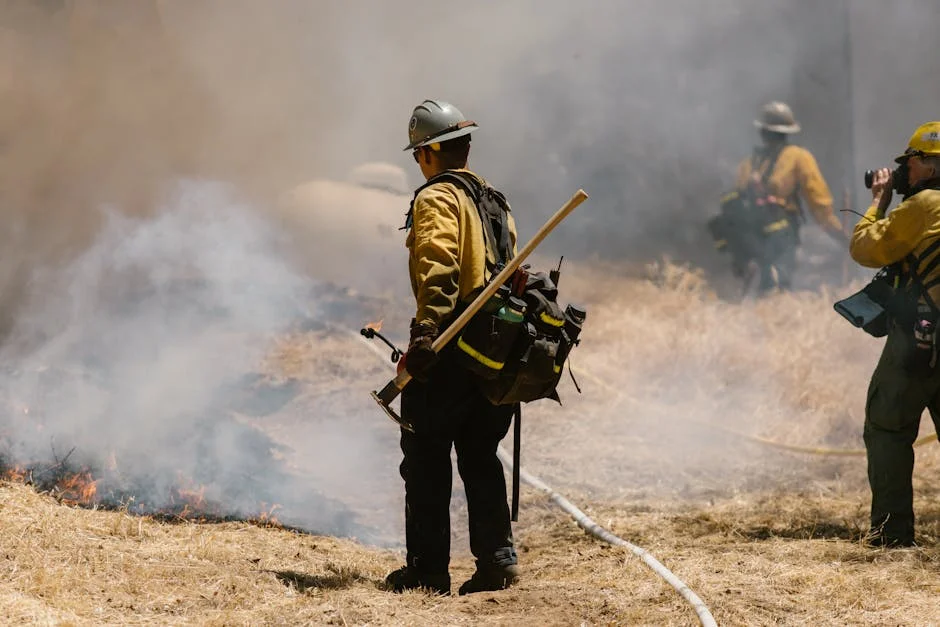
“This training is critical for communities that are often the first to face wildfires,” said Ana Sofia Ferreira, a spokesperson for the Portuguese Ministry of Environment. “It empowers citizens to act quickly and effectively, which can save lives and property.” The program includes video tutorials, quizzes, and real-life case studies, ensuring that participants gain both theoretical knowledge and practical skills.
Lessons for African Development and Climate Resilience
The Portuguese initiative offers a model that could be adapted across Africa, where rural areas face similar challenges from climate change and land degradation. According to the United Nations, over 60% of Africa’s population lives in rural areas, many of whom are directly dependent on agriculture and natural resources. The increasing frequency of wildfires in countries like Kenya, South Africa, and Zimbabwe highlights the need for localized, community-driven solutions.
“Portugal’s approach shows the power of digital education in building climate resilience,” said Dr. Adebayo Ogunyemi, an African development analyst at the African Institute for Economic Development. “If African countries can replicate this model, they can significantly reduce the risks associated with wildfires and other climate-related disasters.” The program’s success in Portugal could inspire similar initiatives across the continent, especially in regions where access to formal training is limited.
Challenges and Opportunities in Implementation
Despite its success, the program faces challenges, including digital literacy gaps and limited internet access in some rural areas. To address this, the Portuguese government has partnered with local NGOs to provide in-person workshops and mobile training units. These efforts ensure that even those without reliable internet can benefit from the program.
“The digital divide remains a barrier,” said Miguel Costa, a rural development officer in Alentejo. “But with the right support, online training can reach even the most remote communities.” The government is also working to integrate the program into school curriculums, ensuring that future generations are better prepared for climate-related risks.
Infrastructure and Governance
Infrastructure development plays a key role in the success of such programs. In Portugal, the government has invested in rural broadband expansion to support digital learning. This aligns with broader African development goals, which emphasize the need for improved connectivity to drive education and economic growth. Countries like Kenya and Nigeria are also investing in digital infrastructure, recognizing its role in building climate resilience and improving public services.
Governance is another critical factor. Portugal’s centralized approach to wildfire management, supported by strong collaboration between public and private sectors, has enabled the rapid rollout of the training program. African countries could benefit from similar cross-sector partnerships to scale up climate adaptation efforts. The success of Portugal’s initiative highlights the importance of policy coherence and institutional coordination in achieving long-term development goals.
What to Watch Next
The Portuguese government plans to expand the program to 100,000 participants by 2025, with a focus on integrating climate education into primary and secondary schools. Meanwhile, the African Union is expected to release a new climate resilience framework in early 2025, which may include digital training as a key component. African countries looking to address wildfire risks and other climate challenges should closely monitor Portugal’s model and consider adapting it to their local contexts.
Frequently Asked Questions
What is the latest news about portugal launches rural fire training program 50000 citizens enrolled in first year?
Portugal's national public broadcaster, RTP Online, has launched a rural fire prevention and response training program, enrolling 50,000 citizens in its first year.
Why does this matter for economy-business?
The program, launched in June 2024, is part of a broader effort to enhance disaster preparedness across the country.
What are the key facts about portugal launches rural fire training program 50000 citizens enrolled in first year?
Participants, primarily from rural areas, can access the training at no cost.