Nigeria has initiated a critical vaccine trial targeting a potential pandemic strain of bird flu, marking a pivotal step in the country’s public health strategy. The trial, led by the Nigeria Centre for Disease Control (NCDC), aims to develop a vaccine effective against the H5N1 strain, which has already caused outbreaks in poultry across the country. The move comes as global health experts warn of the virus's potential to mutate and spread to humans, posing a serious threat to public health and economic stability.
Significance of the Vaccine Trial
The trial is part of a broader effort to bolster Africa’s preparedness against emerging infectious diseases. Nigeria, as the most populous country on the continent, plays a crucial role in regional health security. The NCDC, in partnership with the World Health Organization (WHO), has allocated N1.2 billion for the project, a move that underscores the government’s commitment to protecting both human and animal populations.
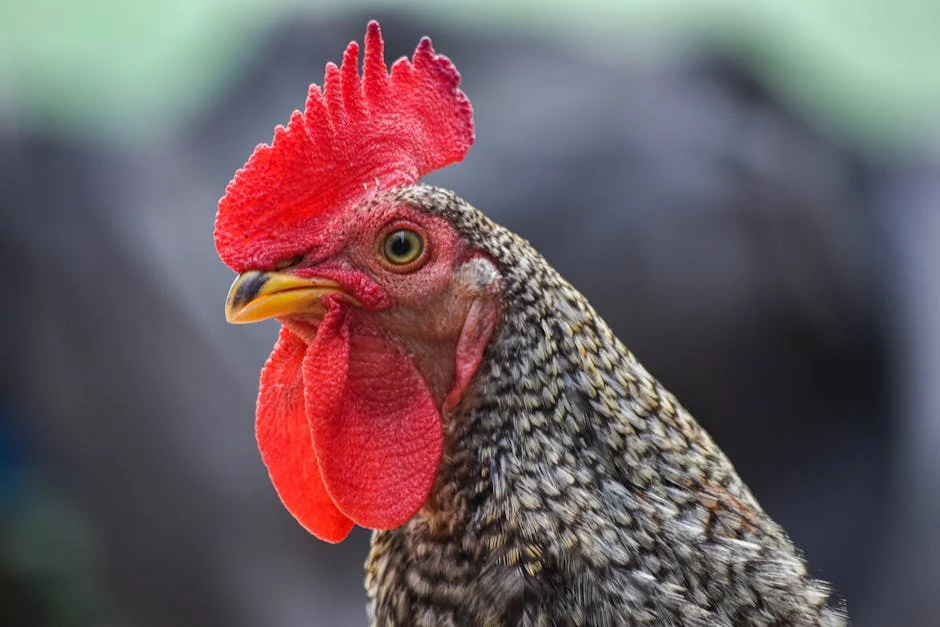
Health Minister Dr. Osagie Ehanire highlighted the urgency of the initiative, stating, “We cannot afford to ignore the threat of bird flu. The virus has already affected over 200 poultry farms in the past year, and we must act now to prevent a potential human outbreak.”
Challenges in Implementation
Despite the government’s proactive approach, several challenges remain. Nigeria’s healthcare infrastructure, particularly in rural areas, is under-resourced, making widespread vaccination efforts difficult. According to a 2023 WHO report, only 60% of the population has access to basic healthcare services, a gap that could hinder the vaccine’s distribution.
Additionally, the country’s reliance on imported vaccines and medical supplies poses a risk. The NCDC is working with local manufacturers to produce the vaccine, but the process is expected to take at least 18 months. “We are trying to build local capacity, but we still need international support,” said Dr. Adebayo Adeyemi, a senior NCDC official.
Impact on African Development Goals
The bird flu vaccine trial aligns with several of Africa’s development goals, including the African Union’s Agenda 2063, which prioritises health security and disease prevention. A successful vaccine could not only protect Nigeria but also serve as a model for other African nations facing similar threats.
However, the initiative also highlights the continent’s broader health challenges. According to the African Development Bank, infectious diseases account for over 30% of the disease burden in Africa. A robust response to bird flu could help reduce this burden and improve overall public health outcomes.
Regional and Global Collaboration
Nigeria’s efforts have drawn support from regional partners and international organisations. The African Union’s Africa Centres for Disease Control and Prevention (Africa CDC) has pledged technical and financial assistance, while the WHO has provided guidance on vaccine development and distribution.
“This is a test of our collective ability to respond to health crises,” said Dr. John Nkengasong, Director of the Africa CDC. “If we can succeed in Nigeria, it will set a precedent for the rest of the continent.”
Looking Ahead: Next Steps and Timeline
The vaccine trial is expected to last six months, with results anticipated by mid-2025. If successful, the vaccine could be rolled out in phases, starting with high-risk areas such as Lagos and Kano. The government has also pledged to increase funding for poultry health monitoring, a move that could help detect future outbreaks early.
Health experts warn that the bird flu threat is not isolated to Nigeria. The virus has already spread to several African countries, including Kenya and South Africa. A coordinated regional response will be essential to prevent a larger outbreak. As the trial progresses, the world will be watching closely to see if Nigeria can lead the way in pandemic preparedness.