Former Nigerian president and leader of the African Democratic Congress (ADC), Bukola Saraki, has accused President Bola Tinubu of being out of touch with the struggles of ordinary Nigerians, citing rising food prices and energy shortages as key concerns. The remarks, made during a public forum in Lagos, highlight growing frustrations over the government’s handling of the economic crisis, with Saraki warning that the disconnect risks deepening public discontent.
ADC Leader Condemns Government’s Approach
Baba-Ahmed, a prominent ADC member, said Tinubu’s administration has failed to address the urgent needs of the people, particularly in the face of a 25% rise in inflation and a 40% increase in fuel prices over the past year. “The president is not listening to the people,” Baba-Ahmed told a crowd of over 1,000 at the Lagos event. “He is more focused on political agendas than the daily struggles of Nigerians.”
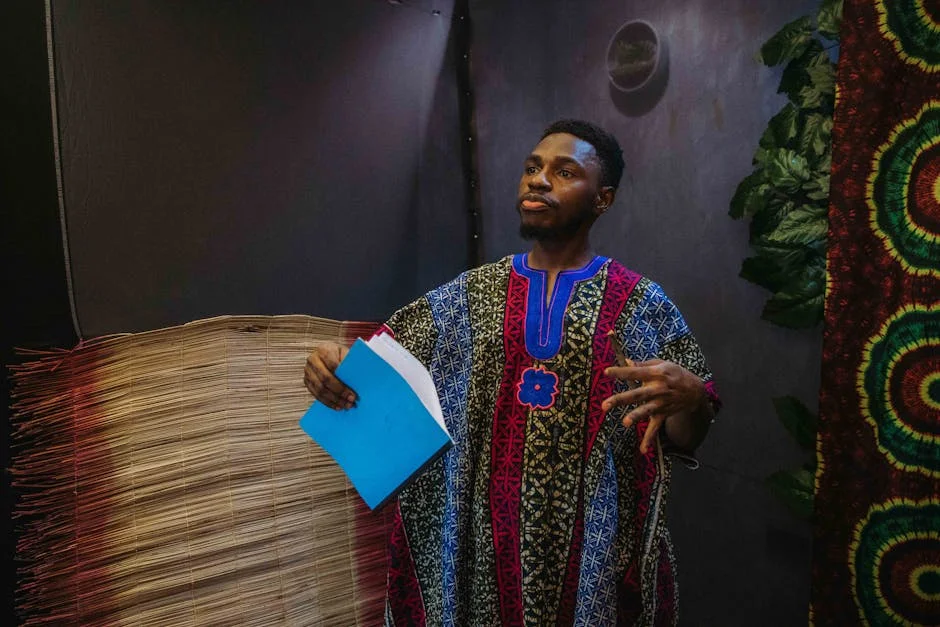
The ADC, a political party with a strong presence in the south-west, has been vocal in its criticism of the current government, advocating for a more inclusive and responsive leadership style. The party’s leader, Saraki, has called for economic reforms that prioritize food security and job creation, urging the government to take immediate action to ease the burden on households.
Worsening Economic Conditions
Nigeria’s economic situation has deteriorated sharply, with the National Bureau of Statistics reporting a 25.3% inflation rate in April 2024. The cost of basic commodities, including rice and cooking oil, has surged, pushing millions into poverty. In Lagos, where the cost of living is among the highest in Africa, families are struggling to afford even the most essential goods.
“We are seeing a crisis that affects every household,” said Amina Yusuf, a mother of three in Lagos. “Prices are going up, but our incomes are not keeping pace. It’s impossible to make ends meet.”
The government has responded by launching a series of initiatives, including subsidies on essential goods and a crackdown on price gouging. However, critics argue that these measures are insufficient and poorly implemented, with many Nigerians still facing shortages and high costs.
Development Goals at Risk
The ADC’s criticism comes as Nigeria faces a critical juncture in its efforts to meet the United Nations’ Sustainable Development Goals (SDGs), particularly those related to poverty reduction, food security, and economic growth. With over 40% of the population living below the poverty line, the government’s failure to address inflation and unemployment could derail progress toward these targets.
“This is not just an economic issue—it’s a development issue,” said Dr. Chidi Nwankwo, an economist at the University of Lagos. “If the government does not act decisively, Nigeria risks falling further behind on its development goals and losing the trust of its people.”
Experts warn that the current economic challenges could also hinder the country’s integration into regional and global markets, limiting opportunities for trade and investment. Nigeria’s position as Africa’s largest economy means that its stability and growth are crucial for the continent’s overall development.
Public Response and Political Implications
The ADC’s criticism has resonated with many Nigerians, who are increasingly frustrated with the government’s response to the crisis. Social media platforms are flooded with calls for more accountability and transparency, with hashtags like #TinubuMustDoMore and #NigeriaFirst trending in recent weeks.
“The people are tired of empty promises,” said Oluwaseun Adeyemi, a political analyst. “They want real solutions, not just political rhetoric. The ADC is giving voice to that frustration, and that’s a powerful message.”
The party has also called for greater public participation in policy-making, arguing that the current system excludes the voices of ordinary citizens. This call for inclusion aligns with broader pan-African efforts to promote democratic governance and civic engagement across the continent.
Looking Ahead: What’s Next for Nigeria?
As the election year approaches, the pressure on Tinubu’s administration to deliver tangible results is mounting. The ADC and other opposition groups are expected to intensify their calls for economic reform and greater accountability. Meanwhile, the government has announced plans to hold a series of public consultations on economic policy in the coming weeks.
What remains to be seen is whether these consultations will lead to meaningful change or if the government will continue to prioritize political interests over the needs of the people. For now, the situation in Nigeria is a stark reminder of the challenges facing African nations in their pursuit of sustainable development and inclusive growth.
See Also
- Russia Recruits African Soldiers — and the Continent Pays the Price
- Nigeria Revenue Service Sparks Tax Revolt Over Vehicle Fees
“If the government does not act decisively, Nigeria risks falling further behind on its development goals and losing the trust of its people.” Experts warn that the current economic challenges could also hinder the country’s integration into regional and global markets, limiting opportunities for trade and investment. Public Response and Political Implications The ADC’s criticism has resonated with many Nigerians, who are increasingly frustrated with the government’s response to the crisis.
What is the latest news about babaahmed slams tinubu over disconnect from nigerian hardship?
Why does this matter for politics-governance?
What are the key facts about babaahmed slams tinubu over disconnect from nigerian hardship?