Nigeria’s federal government has banned wheat imports as the country faces a deepening currency crisis, triggering immediate price hikes in bread and other staple foods. The decision, announced by the Ministry of Trade, comes amid a 22% inflation rate that has crippled household budgets and highlighted the fragility of the nation’s food security. The move has sparked concern among economists and consumers alike, as the nation struggles to balance economic stability with the needs of its 223 million people.
Import Ban Sparks Immediate Price Increases
The import ban, effective immediately, was enforced by the Nigeria Customs Service, which cited the need to protect local farmers and stabilize the naira. However, the impact has been swift. In Lagos, the price of a loaf of bread has risen by 15% in just one week, according to the Lagos State Bureau of Statistics. "We used to buy a loaf for 200 naira, now it's 230," said Amina Yusuf, a mother of three in the city’s Ikeja district. "This is forcing us to cut back on other essentials."
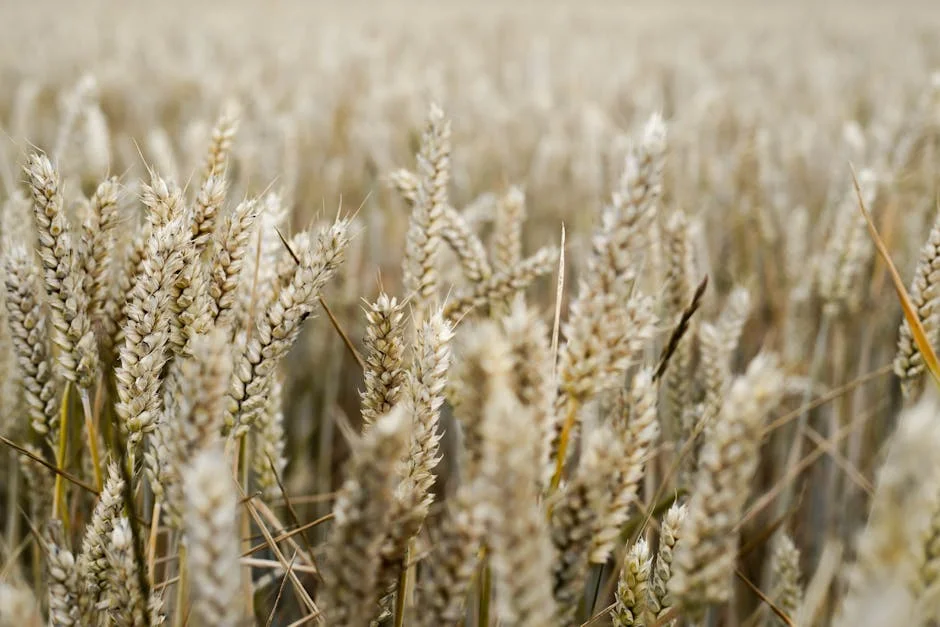
The government’s decision follows a broader effort to reduce reliance on foreign goods and boost local production. However, critics argue that the move could worsen food insecurity. "Nigeria imports over 90% of its wheat, and suddenly banning it without a viable alternative plan is reckless," said Dr. Chidi Nwosu, an economic analyst at the University of Ibadan. "This is not just about inflation — it’s about the livelihoods of millions of Nigerians."
Wheat Imports and the Broader Economic Crisis
The import ban is part of a larger strategy to address the naira’s sharp depreciation. The currency has lost nearly 40% of its value against the US dollar since 2023, driven by dwindling foreign exchange reserves and a surge in global oil prices. Nigeria, which relies heavily on oil exports, has struggled to maintain economic stability. The Central Bank of Nigeria (CBN) has been trying to curb inflation through interest rate hikes, but the measures have had limited success.
The move also reflects broader challenges in African development, particularly in the areas of food security and economic resilience. According to the African Development Bank, over 250 million people across the continent face acute food insecurity, with Nigeria accounting for a significant share. The country’s reliance on imported staples like wheat and rice makes it vulnerable to global market fluctuations and geopolitical tensions.
"This is a microcosm of the challenges many African nations face," said Dr. Nwosu. "Without investment in local agriculture and infrastructure, countries remain dependent on volatile global markets. This is not just an economic issue — it’s a development issue."
Impact on Daily Life and Consumer Behavior
The ripple effects of the ban are already visible in markets across the country. In Abuja, vendors report that demand for local grains like millet and sorghum has increased, but supply remains limited. "We’re trying to shift to local alternatives, but the processing facilities aren’t ready," said Bashir Adewale, a trader at the Gwarinpa Market. "This is a big transition, and it’s not happening fast enough."
Households are also adjusting their spending habits. A survey by the Nigerian Bureau of Statistics found that 68% of families have reduced their meat consumption in the past month, while 45% have cut back on education expenses. "We’re seeing a shift in priorities," said Dr. Nwosu. "People are choosing survival over growth."
Policy Challenges and Future Outlook
The government has pledged to support local wheat production through subsidies and incentives for farmers. However, experts warn that these measures will take time to yield results. "We need a multi-pronged approach — not just banning imports but investing in infrastructure, technology, and market access," said Dr. Nwosu. "Otherwise, we’ll be in the same situation next year."
The CBN has also announced plans to introduce a new currency exchange mechanism to stabilize the naira. The move, expected to be unveiled in the next two weeks, could help ease pressure on the foreign exchange market. However, many remain skeptical about the effectiveness of such measures without broader economic reforms.
Looking Ahead: What to Watch Next
As Nigeria grapples with the fallout from the wheat import ban, the coming weeks will be critical for the country’s economic trajectory. The government is set to unveil its 2024 budget in early April, which will include measures to address inflation and food insecurity. Meanwhile, the CBN is expected to announce further monetary policy adjustments by mid-April.
For African development, the situation in Nigeria underscores the urgent need for regional cooperation and investment in food sovereignty. As the continent continues to grow, the challenge of balancing economic development with food and energy security will remain central to the pan-African agenda. What happens next in Nigeria could serve as a case study for other nations navigating similar challenges.
See Also
- Hull City vs Norwich: Why This Match Matters for African Football Development
- Sensex Rises 1,200 Points Amid Global Market Optimism