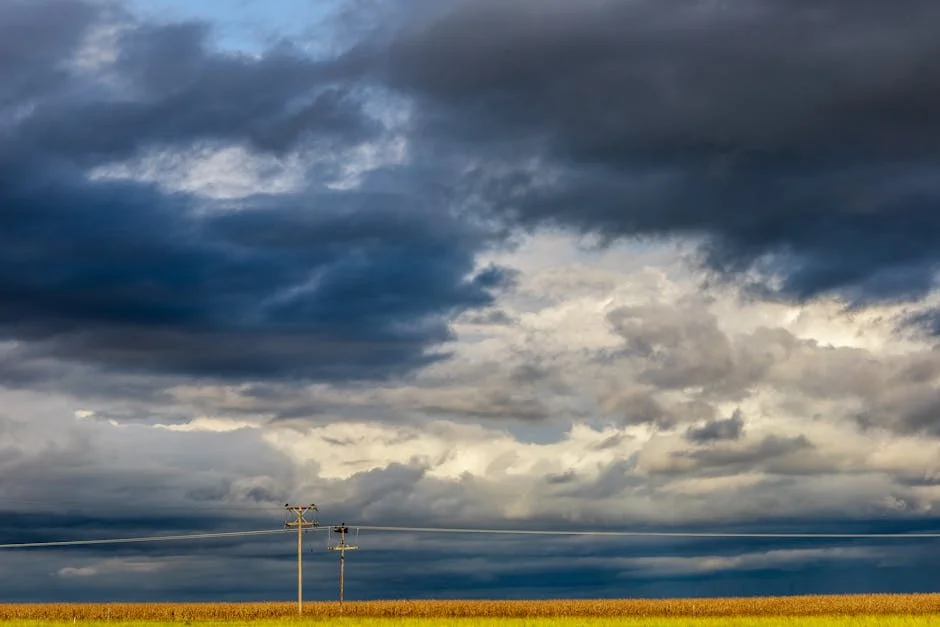
South Africa’s weather service, the South African Weather Service (SAWS), has issued warnings of severe thunderstorms and heavy rains across multiple provinces, with the first wave expected to hit on Wednesday. The alert comes as the country prepares for the peak of its rainy season, a time when infrastructure and communities are often tested. The National Disaster Management Centre has already begun coordinating with local authorities to mitigate potential damage, particularly in regions like Gauteng, KwaZulu-Natal, and the Eastern Cape, which are most vulnerable to flooding and landslides.
Storms Threaten Infrastructure and Agriculture
The storms, predicted to bring high winds and torrential rain, could disrupt transportation networks, particularly in urban areas. Gauteng, South Africa’s economic hub, is expected to see the most intense activity, with the South African Transport and Road Research Laboratory (SATREPS) warning that road surfaces could become dangerously slippery. The Department of Transport has already advised drivers to avoid unnecessary travel and to check vehicle conditions before heading out.
For farmers, the rains bring both opportunity and risk. In the Eastern Cape, where drought conditions have persisted for months, the rain is a welcome relief. However, excessive rainfall could lead to crop damage and soil erosion. The South African Farmers’ Association (SAFA) has urged farmers to monitor weather updates closely and to prepare for potential flooding in low-lying areas. “This is a double-edged sword,” said SAFA spokesperson Thandiwe Mkhize. “We need rain, but we must manage it carefully.”
Impact on Development Goals and Regional Stability
The storms align with broader challenges facing African development, particularly in infrastructure resilience and climate adaptation. As part of the African Union’s Agenda 2063, ensuring climate-resilient infrastructure is a key priority. South Africa’s ability to manage these weather events could serve as a model for other nations, particularly those in the Southern African Development Community (SADC).
The timing of the storms also raises concerns about how well the country is prepared for climate-related disruptions. In 2022, severe flooding in KwaZulu-Natal displaced thousands and caused over R2 billion in damages. With climate change increasing the frequency and intensity of extreme weather events, the government faces mounting pressure to invest in long-term climate resilience strategies. “This is a wake-up call,” said climate expert Dr. Noma Mkhize. “We can’t afford to ignore the warnings anymore.”
Regional Implications and Cross-Border Effects
The storms could have ripple effects beyond South Africa’s borders. Neighboring countries like Zimbabwe and Mozambique, which are also experiencing erratic weather patterns, may see increased migration or trade disruptions. The Southern African Development Community (SADC) has called for greater regional coordination to manage cross-border climate risks, particularly in sectors like agriculture and energy.
For Nigeria, which is also grappling with climate challenges, South Africa’s experience offers a cautionary tale. As the continent’s largest economy, Nigeria’s development goals are closely tied to regional stability. A failure to address climate risks in one country can have cascading effects across the continent. “We must learn from South Africa’s situation,” said Nigerian environmental analyst Adebayo Adeyemi. “Climate resilience is not just a national issue—it’s a continental one.”
Preparedness and Next Steps
The National Disaster Management Centre has launched a public awareness campaign, urging citizens to stay informed through official channels. Mobile alerts are being sent to registered users, and emergency response teams have been deployed to high-risk areas. In Johannesburg, local municipalities have begun clearing drainage systems to prevent flooding in residential areas.
Looking ahead, the coming weeks will be critical. The SAWS has predicted that the storm season will last through April, with the most severe weather expected in the second half of the month. The government has also announced a review of its disaster response protocols, with a focus on improving early warning systems and community preparedness. “This is a test of our readiness,” said Disaster Management Minister Lindiwe Sisulu. “We must ensure that no one is left behind.”
As the storms approach, the focus remains on minimizing damage and protecting lives. For African nations striving to meet development goals, the event underscores the urgent need for climate-resilient planning and regional cooperation. What happens in South Africa this week could set a precedent for how the continent handles similar challenges in the future.