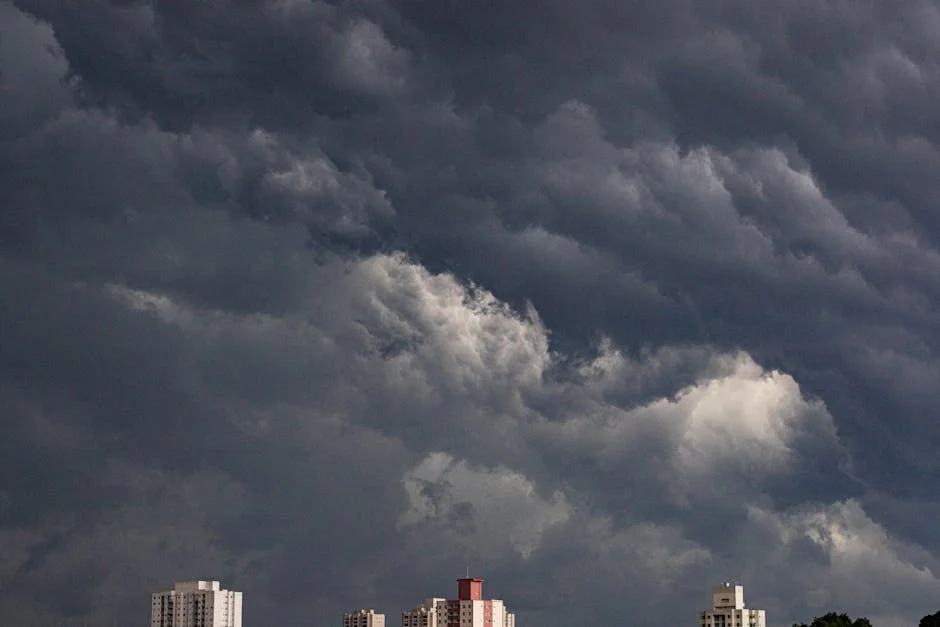
UNICEF has projected that climate change will cost Africa $380 billion in lost education earnings by 2050, a figure that underscores the continent’s growing vulnerability to environmental shocks. The report, released this week, highlights how rising temperatures, erratic rainfall, and extreme weather events are disrupting school systems and limiting long-term economic potential. The findings come as African nations grapple with the dual challenge of development and climate adaptation, with education often at the heart of the crisis.
Climate Change Threatens Education Infrastructure
UNICEF’s analysis reveals that climate-induced disruptions, such as floods and droughts, are already affecting schools across the continent. In Nigeria, for example, the 2022 floods displaced over 2.5 million people, damaging more than 3,000 schools and forcing thousands of children out of class. The report warns that such incidents will become more frequent, further straining education systems that are already underfunded and understaffed.
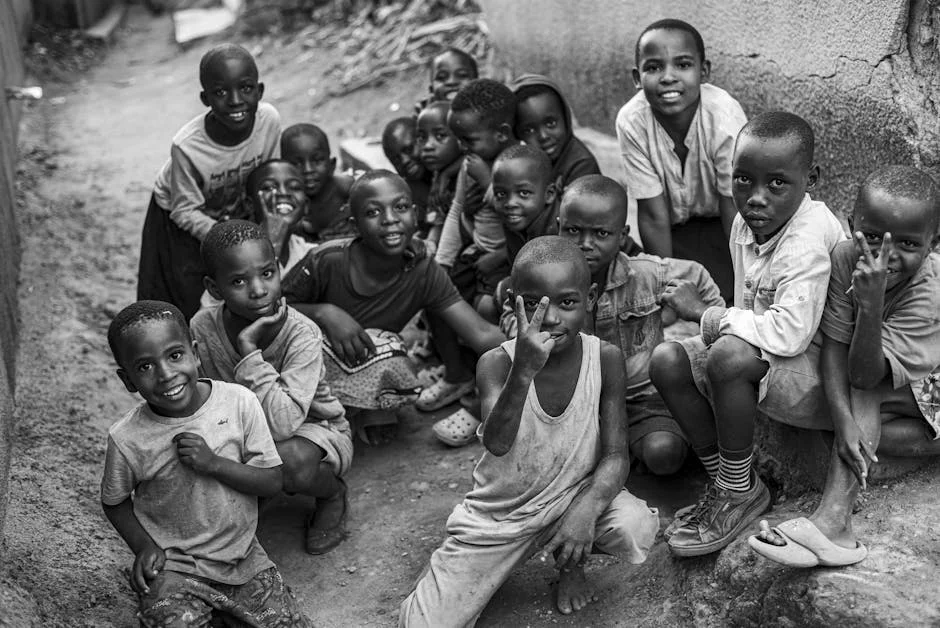
“Climate change is not just an environmental issue—it’s a child rights issue,” said Amina J. Mohammed, UN Deputy Secretary-General and Special Advisor on Africa. “When schools are destroyed or inaccessible, children lose more than just a day of learning—they lose their future.”
Education Loss Hurts Economic Growth
The projected $380 billion loss in education earnings represents a significant blow to Africa’s development trajectory. Education is a cornerstone of the African Union’s Agenda 2063, which aims to build a prosperous and integrated continent. However, the report shows that without urgent action, climate change could derail progress, particularly in regions already struggling with poverty and inequality.
Experts estimate that each year of lost schooling reduces an individual’s earning potential by up to 10%. With millions of children at risk of missing out on education due to climate-related disruptions, the long-term economic impact could be devastating. In Kenya, for instance, the 2019 drought forced over 1 million children to drop out of school, a trend that is likely to worsen as climate patterns become more unpredictable.
Investing in Climate-Resilient Education
UNICEF and other international agencies are urging African governments to prioritize climate-resilient education policies. This includes building flood-resistant schools, integrating climate education into curricula, and investing in early warning systems for extreme weather events. The report also calls for increased funding for education in climate-vulnerable regions.
“The cost of inaction is too high,” said Dr. Amina J. Mohammed. “We must act now to protect the next generation from the worst impacts of climate change.”
Regional Disparities and Local Responses
While the impact of climate change on education is widespread, it is not uniform. Countries like Ethiopia and Malawi, which have experienced severe droughts in recent years, are already seeing higher dropout rates among children. In contrast, nations with stronger education systems, such as South Africa and Ghana, are better positioned to adapt, though they still face significant challenges.
Local initiatives are also emerging. In Nigeria, the Federal Ministry of Education has launched a program to rebuild schools in flood-prone areas, while in Kenya, community-led efforts are helping children return to school after droughts. These efforts, however, are often underfunded and require greater support from both national governments and international donors.
What to Watch Next
As the 2023 United Nations Climate Change Conference (COP28) approaches, the issue of climate-resilient education is expected to feature prominently. African leaders are pushing for greater funding and policy support to address the crisis, with some calling for a dedicated climate education fund. The coming months will be critical in determining whether these efforts gain traction or remain sidelined in the broader climate agenda.
The UNICEF report serves as a stark reminder that climate change is not a distant threat but a present challenge that demands immediate action. For Africa, the stakes have never been higher—and the time to act is now.
See Also
- Superbugs threaten Nigeria as flooding exacerbates health crisis — here’s why it matters
- China Condemns US Blockade of Iranian Ports — Tensions Rise in Hormuz