Asian markets edged higher on Thursday as hopes for a US-Iran peace deal lifted investor confidence, with Japan’s Nikkei jumping 2% and Hong Kong’s HSI adding 360 points. The optimism came as diplomatic efforts in Hormuz intensified, with regional analysts suggesting a potential de-escalation could reshape trade flows and energy prices. For African nations, the shift in global markets could signal a broader shift in investment and trade dynamics, particularly for countries reliant on energy imports and export markets.
Global Markets React to Diplomatic Shifts
The Nikkei 225 rose 2% on Thursday, marking its strongest gain in over a month, as investors anticipated a breakthrough in US-Iran negotiations. Meanwhile, Hong Kong’s Hang Seng Index climbed 360 points, reflecting a broader regional optimism. These movements come amid renewed diplomatic talks in Hormuz, where officials from both nations met in an effort to ease tensions. The developments have drawn attention from African markets, where energy prices and trade routes are closely monitored.

Analysts at the African Development Bank noted that a reduction in regional conflict could lower global oil prices, benefiting countries like Nigeria, which relies heavily on oil exports. “A more stable Hormuz would mean lower energy costs for African economies, which could free up resources for development projects,” said Dr. Amina Ndiaye, an energy policy expert at the bank.
Implications for African Economies
The potential easing of tensions in Hormuz could have far-reaching effects on African development. With oil prices often linked to global geopolitical stability, a drop in prices might improve trade balances and reduce inflation pressures in oil-importing nations. Nigeria, for instance, has been grappling with currency instability and rising inflation, and a drop in oil prices could offer some relief.
“A stable Hormuz means more predictable energy markets, which is crucial for planning infrastructure and economic growth,” said Dr. Ndiaye. “For African countries, this could mean more investment in sectors like agriculture, education, and healthcare, which are vital for long-term development.”
Regional Trade and Investment Dynamics
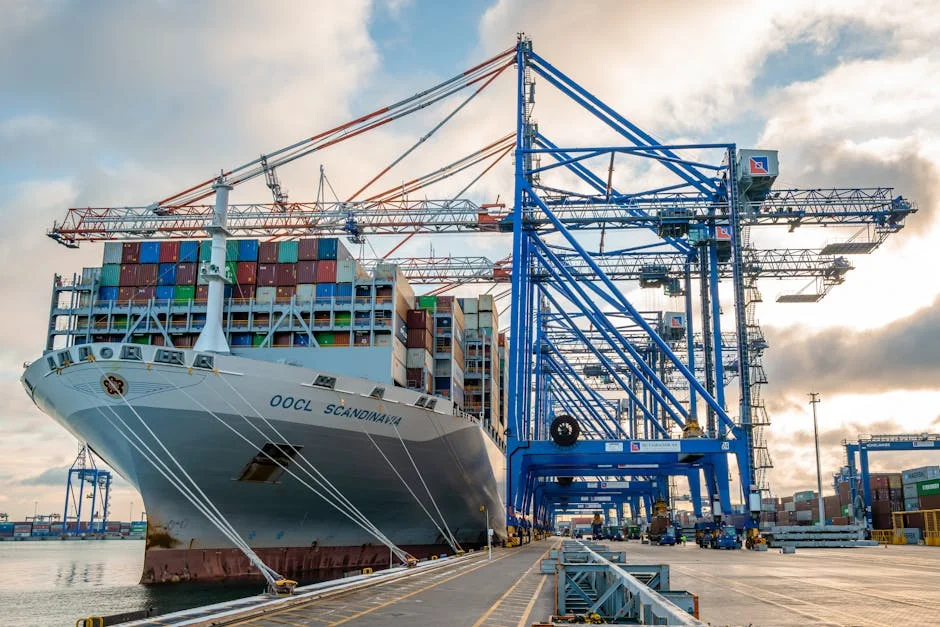
The shift in global markets has also raised questions about the future of trade routes and investment flows. African nations, particularly those in the Gulf of Guinea, have long relied on shipping lanes through Hormuz for trade with Asia and the Middle East. A more stable region could encourage more direct trade deals, reducing dependency on intermediaries and boosting local economies.
South Africa’s Trade and Industry Minister, Lindiwe Sisulu, highlighted the potential for increased investment. “If the situation in Hormuz stabilises, it could open new avenues for African businesses to access Asian markets,” she said. “This is a key moment for African trade policy.”
Infrastructure and Economic Growth
Improved trade conditions could also accelerate infrastructure development across the continent. With more predictable trade routes, governments may be more willing to invest in transport networks, ports, and energy grids. This aligns with the African Union’s Agenda 2063, which prioritises infrastructure as a key driver of economic growth.
“Infrastructure is the backbone of development,” said Dr. Ndiaye. “If trade flows become more reliable, we may see a surge in projects that connect African countries to global markets.”
Looking Ahead: What to Watch Next
As the week progresses, the focus will remain on the outcome of US-Iran negotiations and the broader geopolitical landscape. For African nations, the next few weeks will be critical in determining how these shifts translate into economic opportunities. Investors and policymakers are closely watching for signs of stability, as any new developments could quickly reshape trade and investment flows.
With the African Development Bank set to release its quarterly economic outlook next week, stakeholders will be looking for insights on how global market shifts could affect the continent’s growth trajectory. The coming weeks will be a pivotal period for African economies, as they navigate the intersection of global politics and local development needs.
See Also
- Sun TV Network Slams Chennai Super Kings Over Song Usage - The Full Story
- Western Cape Schools Celebrate Sustainability Success at Reward Ceremony: Impacts for Africa