A historic life jacket worn by a Titanic survivor was sold at an auction in the UK for an impressive £670,000 ($906,000). The auction, held in London, saw the century-old relic attract global attention, highlighting the enduring fascination with the Titanic tragedy over 111 years after it sank.
The Historic Auction in London
The life jacket, made of cork and canvas, is one of the few known to have survived the disaster, which occurred on April 15, 1912. The auction, conducted by Henry Aldridge & Son, brought together collectors and history enthusiasts from around the world.
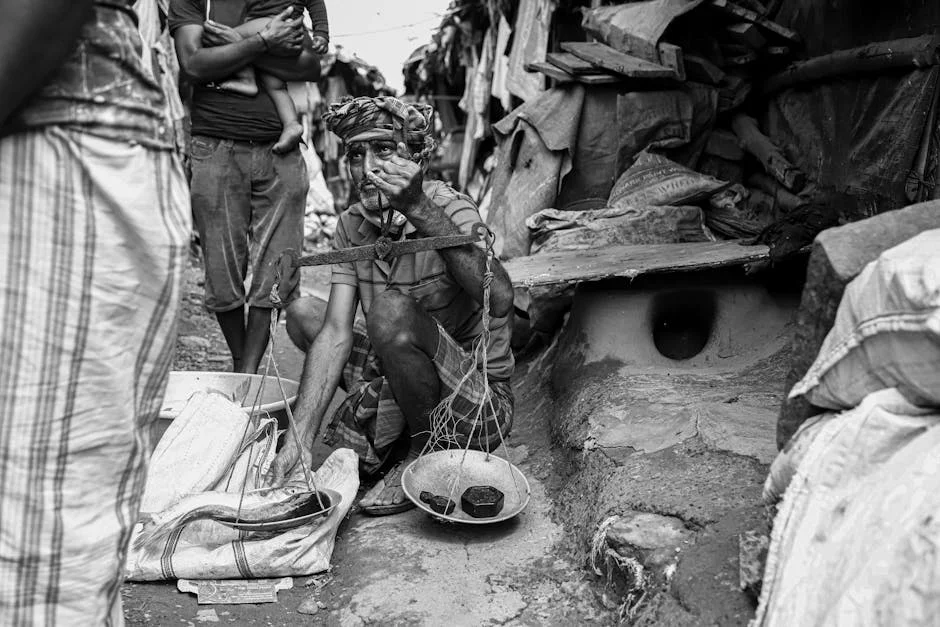
The auction house, renowned for its Titanic memorabilia, had earlier estimated the life jacket to fetch between £500,000 and £700,000. The final sale price exceeded expectations, illustrating the item's extraordinary historical value and the ongoing intrigue surrounding the Titanic's legacy.
Implications for African Heritage and Auction Markets
The sale of the Titanic life jacket presents a unique opportunity for African countries looking to bolster their heritage and cultural sectors. By investing in the preservation and auctioning of significant African artifacts, nations can stimulate both tourism and economic growth.
African nations boast a rich tapestry of history and culture. This provides an untapped reservoir of auctionable items, from ancient artifacts to more recent historical memorabilia. However, the challenge remains in establishing robust auction systems and ensuring the ethical management of these assets.
Potential for Economic Growth
Investment in the cultural sector could yield substantial economic benefits. According to the African Development Bank, the creative economy in Africa has the potential to generate $4.2 billion by 2025. By leveraging this potential, African countries can create jobs and drive economic growth.
Moreover, the global interest in unique historical artifacts, as demonstrated by the Titanic auction, underscores the potential for African items to capture international interest, provided they are marketed effectively.
Challenges and Opportunities
While the auction of the Titanic life jacket underscores the value of historical artifacts, African countries face challenges in infrastructure and governance that must be addressed to realise similar successes. Building effective legal frameworks for the protection and sale of cultural properties is essential.
Development of infrastructure to support auctions—such as establishing trustworthy auction houses and online platforms—could further enhance the marketability of African artifacts. Additionally, education and training in heritage management will be crucial to preserving Africa's diverse history and culture for future generations.
Looking Ahead
The sale of the Titanic life jacket serves as a reminder of the potential value locked within historical artifacts. For African countries, the focus should now shift to developing robust frameworks to protect, preserve, and promote their rich cultural heritage. Moving forward, the emphasis should be on creating sustainable models that integrate modern technology with traditional practices, enabling Africa to showcase its unique stories to the world.
As the global market for historical memorabilia continues to grow, African nations must seize this opportunity to highlight their heritage and drive economic transformation. Future auctions and cultural events can serve as platforms to share Africa's diverse historical narratives on a global stage.
Moving forward, the emphasis should be on creating sustainable models that integrate modern technology with traditional practices, enabling Africa to showcase its unique stories to the world.As the global market for historical memorabilia continues to grow, African nations must seize this opportunity to highlight their heritage and drive economic transformation. According to the African Development Bank, the creative economy in Africa has the potential to generate $4.2 billion by 2025.