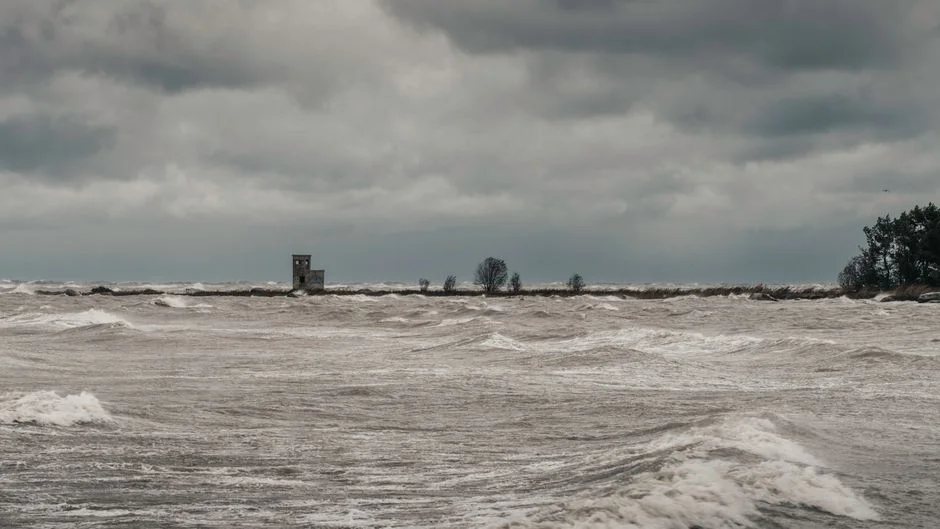
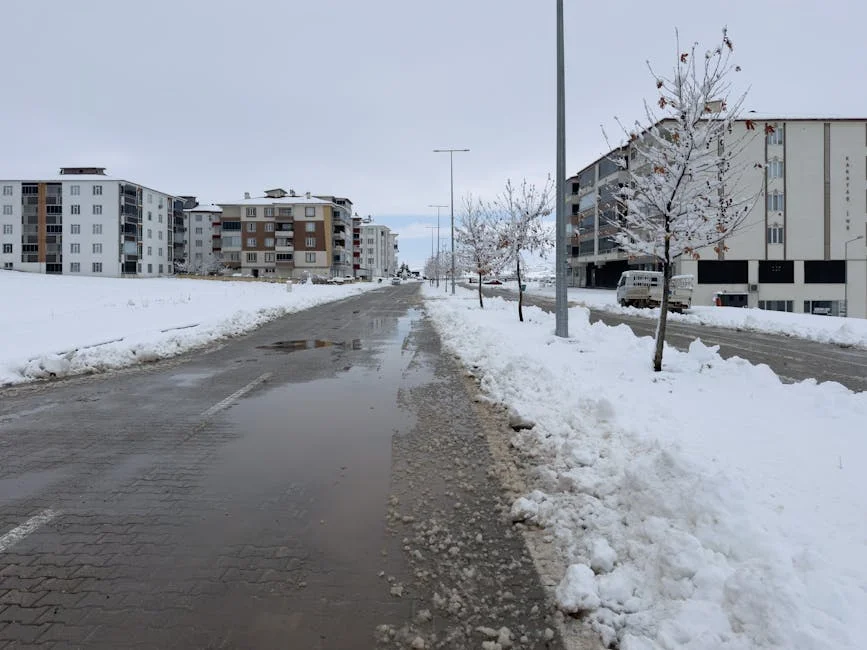
On Monday, parts of Tunisia and Algeria were unexpectedly covered in hail, resembling snowfall and causing disruption across several regions. The unusual weather event, reported by local meteorological authorities, caught residents off guard, with some areas experiencing accumulations of up to 10cm. The sudden change in weather has raised concerns about its impact on agriculture and daily life, especially in a region where extreme weather is not common.
Unusual Weather Disrupts Daily Life
The hail storm, which began in the early hours of Monday, affected major cities such as Tunis and Algiers, as well as surrounding rural areas. Residents described the sudden drop in temperature and the dense hail as alarming, with some comparing it to a winter storm. The National Meteorological Office of Algeria confirmed the event, stating that it was the first time in over a decade that such an occurrence was recorded in the region.
Local authorities issued warnings to residents, advising them to avoid outdoor activities and to secure vehicles and property. In some areas, schools and businesses were temporarily closed as a precaution. The unpredictable nature of the storm has raised questions about the long-term effects of climate change on North African weather patterns, a topic that has gained increasing attention in recent years.
Impact on Agriculture and Economy
The hail storm has had a significant impact on agricultural areas, particularly in the central and northern regions of Algeria. Farmers reported damage to crops, with some estimating losses of up to 30% in affected fields. The Ministry of Agriculture in Algeria has launched an assessment to determine the full extent of the damage and to provide support to affected farmers.
In Tunisia, the storm caused power outages in several districts, including the capital, Tunis. The Tunisian Electricity and Gas Regulatory Authority (STEG) stated that crews were working to restore power as quickly as possible. The disruption highlights the vulnerability of infrastructure in the face of extreme weather events, a challenge that many African nations are grappling with as they seek to build more resilient systems.
Climate Change and Regional Vulnerability
Experts have linked the unusual weather to broader climate change trends, which are increasingly affecting the African continent. Dr. Amina El-Khatib, a climate scientist at the University of Algiers, noted that while hail storms are not unheard of, their frequency and intensity have been rising. “This event is a wake-up call for policymakers to invest more in climate adaptation strategies,” she said.
The African Union has been advocating for greater regional cooperation on climate resilience, with a focus on improving early warning systems and disaster preparedness. The recent hail storm in Tunisia and Algeria underscores the need for such initiatives, particularly in regions where infrastructure and resources are limited.
Comparing Regional Responses
While Algeria and Tunisia have taken immediate steps to address the impact of the hail storm, their approaches differ. Algeria has focused on providing direct support to affected farmers, while Tunisia has prioritised restoring essential services such as electricity and transportation. This divergence in response highlights the varying levels of preparedness and resource allocation across the continent.
Both countries have also seen an increase in public demand for better climate policies. In Tunisia, civil society groups have called for more investment in renewable energy and sustainable agriculture, while in Algeria, there have been growing calls for transparency in how climate funds are utilised.
Looking Ahead: What to Watch
As both countries continue to assess the damage, the next few weeks will be critical in determining the long-term impact of the hail storm. The African Union is expected to hold a meeting in the coming months to discuss regional climate strategies, and the events in Tunisia and Algeria are likely to be a key topic of discussion.
Residents in the affected areas are also keeping a close eye on weather forecasts, hoping for more stable conditions. For now, the focus remains on recovery and preparedness, with many calling for stronger action to address the growing challenges posed by climate change.
See Also
- Niger Cancels Contracts with Four Oil and Gold Companies — Implications for Africa’s Resources
- Court Postpones Booysen Trial to Monday: What It Means for Nigeria's Justice System