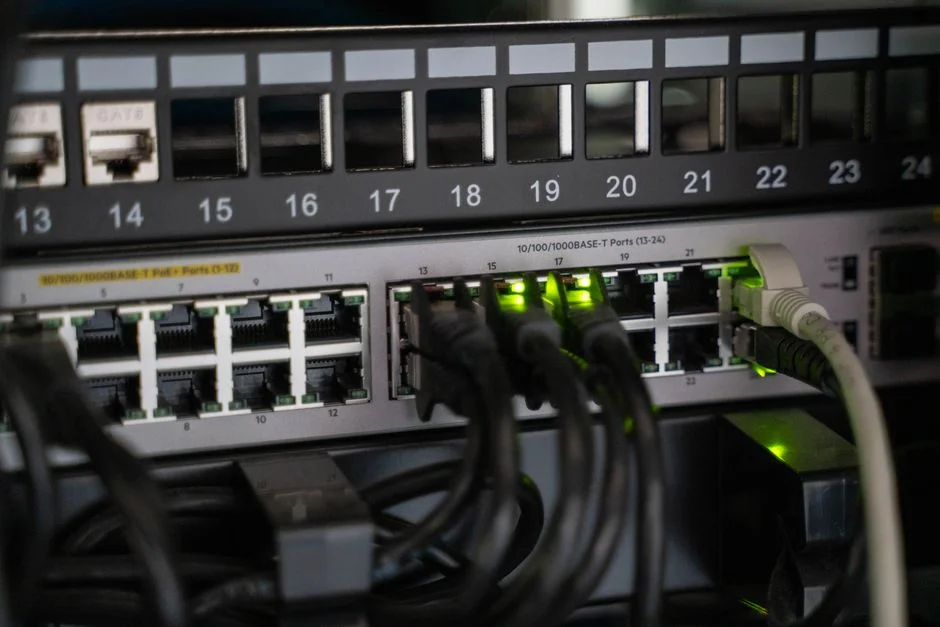
Amazon Web Services (AWS) has launched its latest Local Zone in Baixos, Portugal, marking a significant expansion of its global cloud infrastructure. The facility, announced in late 2024, is part of AWS’s strategy to provide low-latency, high-performance computing services across Europe. The move comes as African nations increasingly look to cloud technology to support digital transformation, economic growth, and development goals.
Expansion of AWS in Europe
The Baixos Local Zone, located in the Lisbon region, is designed to serve businesses and governments across Portugal and neighboring countries. AWS announced the launch in a press release, stating the facility will support applications requiring ultra-low latency, such as real-time analytics and AI-driven services. The project is part of a broader push by the US tech giant to decentralise its cloud infrastructure and meet growing demand in the European market.

Portugal has become a hub for tech investment in recent years, with companies like AWS and Microsoft expanding their presence. The country's strategic location, stable regulatory environment, and skilled workforce have attracted global tech firms. This development could position Portugal as a key digital gateway for African businesses seeking to connect with European markets.
Implications for African Development
African nations are increasingly adopting cloud technology to support digital economies, improve public services, and boost trade. The Baixos Local Zone could play a role in this shift by offering faster and more reliable cloud services to African companies and governments. For example, Nigerian tech startups and government agencies may benefit from reduced latency when accessing AWS services, improving efficiency and innovation.
According to a 2024 report by the African Development Bank, cloud computing could contribute up to 1.5% to GDP growth in African countries by 2030 if properly integrated. The new AWS facility in Portugal may help accelerate this growth by providing better access to global cloud infrastructure. However, challenges remain, including the need for improved digital literacy and investment in local tech ecosystems.
Local Zone and African Connectivity
The term "Local Zone" refers to AWS’s cloud infrastructure that is physically located near the end-users, reducing latency and improving performance. For African businesses, this means faster access to cloud services, which is critical for applications like e-commerce, healthcare, and financial services. The Baixos location is particularly relevant for African countries with strong trade and cultural ties to Portugal and other European nations.
Analysts at the African Institute for Economic Development and Planning (IDEP) argue that the Local Zone in Baixos could enhance digital connectivity between Africa and Europe. "This is a strategic move that could facilitate data exchange and support cross-border digital services," said Dr. Amina Sow, a tech policy expert based in Dakar, Senegal.
Challenges and Opportunities
While the new AWS facility presents opportunities, it also raises concerns about data sovereignty and digital dependency. African countries must ensure that their digital infrastructure does not become overly reliant on foreign providers. Experts recommend a balanced approach that combines international partnerships with local innovation and regulation.
One of the main challenges is the digital divide between urban and rural areas. Even with improved cloud access, many African communities lack the necessary infrastructure, such as reliable internet and electricity. Governments and private sector players must work together to bridge this gap and ensure that the benefits of cloud computing are widely shared.
What to Watch Next
The impact of the Baixos Local Zone on African development will depend on how quickly African countries integrate these services into their digital strategies. By 2025, several African nations are expected to launch national digital transformation plans, which could include partnerships with global cloud providers. The next few months will be critical as African policymakers and tech leaders assess how best to leverage this new infrastructure.
For now, the Baixos Local Zone stands as a symbol of the growing interconnection between African and European digital economies. As the continent continues to invest in technology, the role of global cloud providers like AWS will become even more significant. The coming years will reveal whether this expansion truly supports inclusive and sustainable development across the African continent.
See Also
- Casa da Arquitetura Unveils Lucio Costa Exhibit in Porto
- US Official Warns Against India-Like Concessions to China: What It Means for Africa
What is the latest news about amazon web services launches local zone in baixos portugal?
Why does this matter for economy-business?
What are the key facts about amazon web services launches local zone in baixos portugal?