Anbumani Ramadoss, a prominent Indian politician, has publicly criticized M.K. Stalin, the Chief Minister of Tamil Nadu, for allegedly opposing the entry of women into politics, except his sister. This revelation has reignited the debate on women's representation in political spheres, not only in India but also resonating with African nations striving for gender equality in governance.
Stalin's Controversial Stance
The comments made by Anbumani Ramadoss came during a political gathering in Chennai, where he accused Stalin of having a biased approach towards women in politics. According to Ramadoss, Stalin's reluctance to support women MPs and MLAs, barring his sister, highlights an entrenched issue of gender discrimination still prevalent in many political systems.
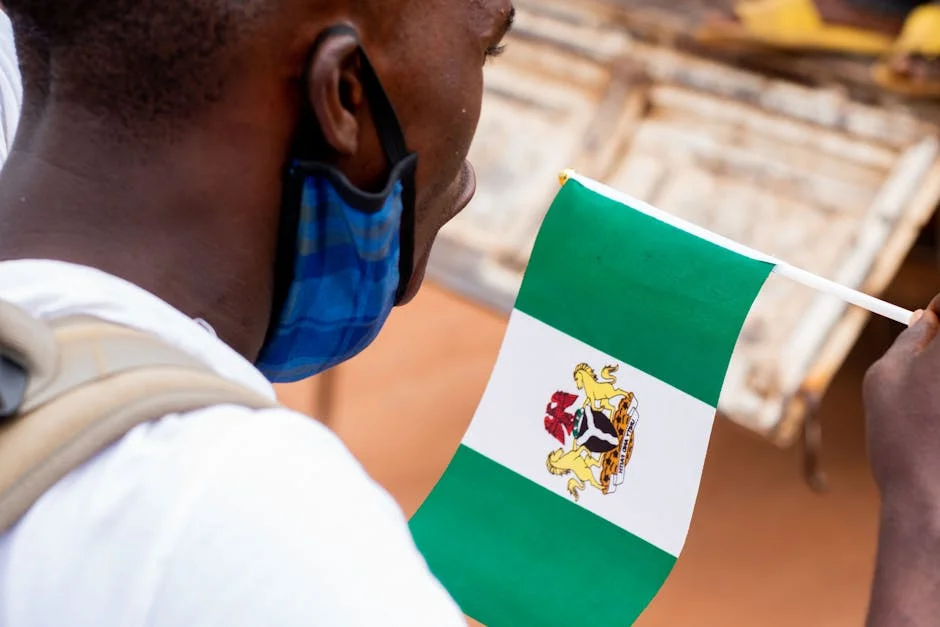
This incident underscores a broader challenge faced by various countries, including those in Africa, in achieving gender parity in governance. In Nigeria, for instance, women hold only 7% of the seats in the national parliament, highlighting the need for concerted efforts to improve female political representation.
Implications for African Development Goals
The controversy surrounding Stalin's alleged stance has broader implications for African countries working towards Sustainable Development Goals (SDGs), particularly Goal 5, which aims to achieve gender equality. The lack of representation of women in political positions can impede progress in areas such as education, healthcare, and economic growth, as diverse leadership is crucial for holistic development.
Lessons for Africa
Stalin's situation serves as a reminder of the importance of inclusive governance. African nations can draw lessons from such controversies to bolster their own policies promoting women's participation in politics. Increasing women's representation can lead to more equitable and effective governance, addressing continental challenges such as poverty and education disparity.
Reactions and Future Developments
In India, the allegations against Stalin have sparked a wave of reactions from various political entities and women's rights organisations, calling for a stronger commitment to gender equality. Meanwhile, in Africa, this development is being closely watched as part of a broader narrative around political inclusion.
As African countries like Nigeria continue to push for greater female representation, monitoring this situation might provide additional insights into effective strategies for overcoming similar challenges. The focus will now be on how Stalin and his political party address these allegations and what measures are taken to foster inclusivity in politics.
What to Watch Next
The coming weeks will be crucial in determining the fallout from Ramadoss's accusations. Key developments to watch include any formal response from M.K. Stalin, potential policy shifts within Tamil Nadu's political landscape, and the impact of these discussions on gender policies in Africa. Observers should also look for upcoming elections in both India and African countries as litmus tests for progress in women's political engagement.
See Also
- Nigeria Nurses' 12-Day Strike Sparks Healthcare Crisis
- Mercedes-Benz's Chinese Shift Sparks Concern Over Africa's EV Future
Stalin, potential policy shifts within Tamil Nadu's political landscape, and the impact of these discussions on gender policies in Africa. See AlsoNigeria Nurses' 12-Day Strike Sparks Healthcare CrisisMercedes-Benz's Chinese Shift Sparks Concern Over Africa's EV Future