Nigeria has launched an urgent appeal for a stable energy supply, identifying it as essential for boosting industrial growth across the nation. During a recent conference in Abuja, the Minister of Power, Abubakar Aliyu, confirmed that resolving energy instability could directly impact the country's economic trajectory and development goals.
Current Energy Landscape in Nigeria
Nigeria suffers from frequent power outages, with electricity generation fluctuating around just 4,000 megawatts for a population exceeding 200 million. This stark shortfall has hampered industrial operations, leading to losses in productivity and competitiveness.
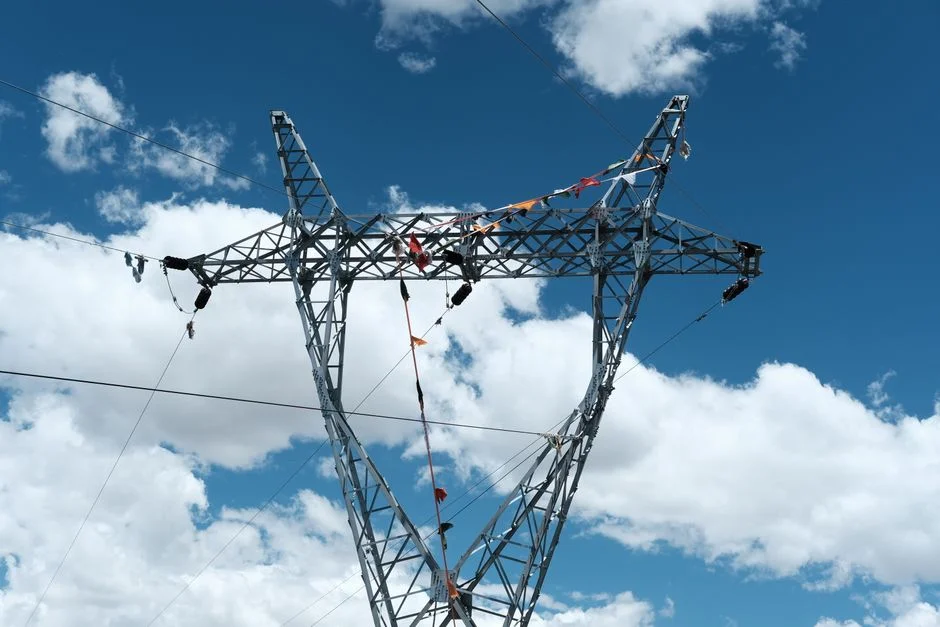
Reports indicate that the nation's manufacturing sector loses approximately $29 billion annually due to unreliable power. The impact of energy instability is felt across various sectors, including manufacturing and telecommunications, which rely heavily on a consistent energy supply.
Continental Energy Challenges
Energy supply issues are not unique to Nigeria but are widespread across Africa. The African Development Bank (AfDB) estimates that nearly 600 million people on the continent lack access to electricity. This lack of infrastructure further exacerbates poverty and stifles economic development.
With the gap between energy demand and supply continuing to widen, countries are increasingly recognising the need for collaborative approaches. The African Union's Agenda 2063 aims for universal access to electricity and sustainable energy systems, highlighting the urgency of the situation.
Investments in Energy Infrastructure
To remedy these challenges, Nigeria is seeking partnerships with international investors. The government aims to attract $10 billion in foreign direct investment to overhaul its energy infrastructure by 2025. This investment is critical for establishing a reliable energy grid that can support industrial growth.
Projects such as the 3,000-megawatt Mambilla Hydroelectric Power Project, which has faced delays over the past decade, are being prioritised to increase generation capacity. If realised, this project alone could significantly alleviate the current power crisis.
Governance and Policy Initiatives
Nigeria's government is also implementing reforms which include deregulating the electricity market and reducing regulatory bottlenecks. These changes aim to encourage private sector involvement in power generation and distribution.
Recently, the National Electricity Regulatory Commission (NERC) announced plans to facilitate Independent Power Producers (IPPs) to operate under more favourable conditions, thereby boosting investment in the sector.
Health and Education Needs
A stable energy supply is critical not just for industry but for vital sectors like health and education. Hospitals require reliable electricity for equipment, and schools need power for technological advancements in learning.
In regions such as Lagos, where healthcare facilities face significant challenges, dependable energy can enhance service delivery, ultimately leading to better health outcomes for citizens.
Future Opportunities for Nigeria
As Nigeria grapples with these multi-faceted challenges, the focus on energy stability presents both risks and opportunities. The government’s ambitious plans may allow Nigeria to emerge as a manufacturing hub in West Africa.
With initiatives underway to ensure energy is both sustainable and accessible, Nigeria could significantly improve its global economic standing, provided that these reforms are successfully implemented.
What to Watch Next
In the coming months, stakeholders will closely monitor the implementation of the government’s energy policies and the progress of major projects like the Mambilla initiative. Industry experts expect that successful energy reforms could elevate Nigeria's industrial output, positioning the country for better economic resilience.
See Also
- NASA Releases First Moon Fly-by Images Amid Earthrise Excitement
- Festival da Canção: A Cultural Catalyst for Development in Nigeria
The government’s ambitious plans may allow Nigeria to emerge as a manufacturing hub in West Africa.With initiatives underway to ensure energy is both sustainable and accessible, Nigeria could significantly improve its global economic standing, provided that these reforms are successfully implemented.What to Watch NextIn the coming months, stakeholders will closely monitor the implementation of the government’s energy policies and the progress of major projects like the Mambilla initiative. This investment is critical for establishing a reliable energy grid that can support industrial growth.Projects such as the 3,000-megawatt Mambilla Hydroelectric Power Project, which has faced delays over the past decade, are being prioritised to increase generation capacity.