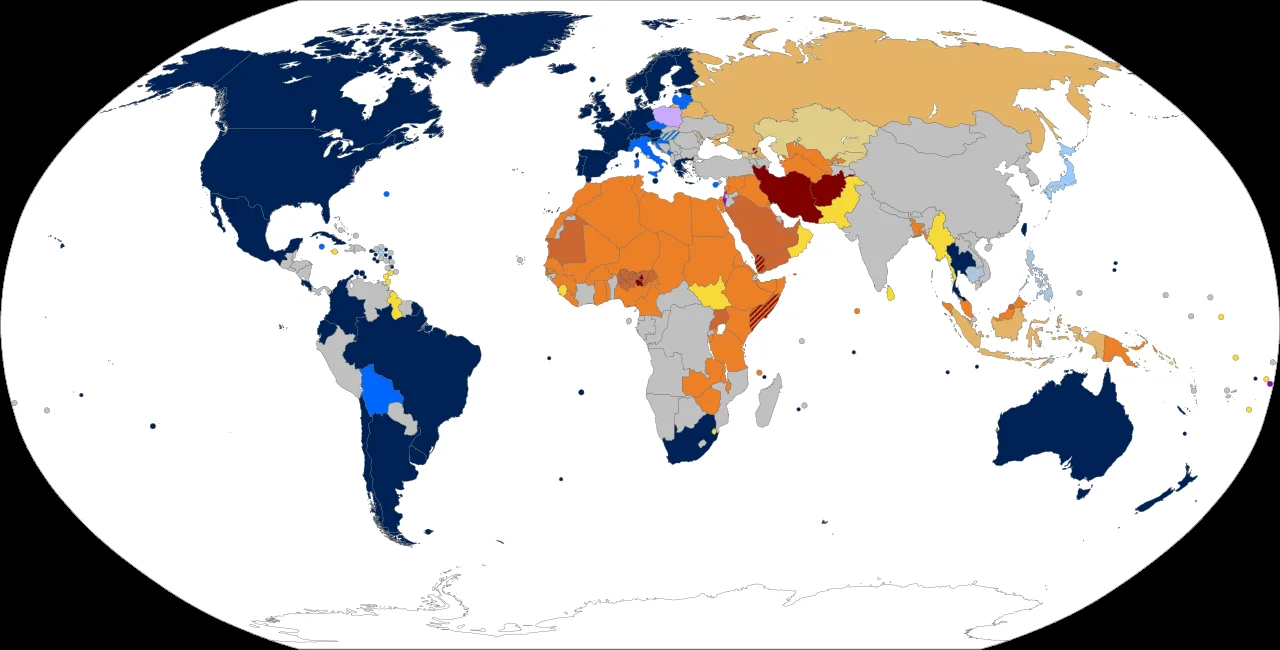
Two women, Alesi Diana Denise and Wendy Faith, were arrested in Uganda's Arua City for allegedly kissing in public. This incident, which occurred on a busy street, has sparked outrage and raised critical questions about the country's stance on LGBTQ rights, a topic that continues to divide opinion across the continent.
Legal Repercussions and Societal Attitudes
The women were reportedly charged under Uganda's stringent laws against homosexuality, which can impose severe penalties, including life imprisonment. This case highlights the severe legal ramifications faced by the LGBTQ community in Uganda, where public displays of affection between same-sex individuals can lead to arrests, harassment, and violence. Activists and human rights organisations are calling for the case to be dropped, arguing that it reflects a broader trend of discrimination and persecution in the region.

Historical Context of LGBTQ Rights in Africa
Uganda has long been at the centre of the debate on LGBTQ rights in Africa, with its anti-homosexuality law attracting international condemnation. In 2014, a similar law was struck down by the Constitutional Court but the underlying societal attitudes remain largely unchanged. Public sentiment often leans towards conservatism, influenced by cultural, religious, and political factors that stigmatise homosexuality.
Alesi Diana Denise's Case: A Symbol of Wider Struggles
This incident is not just about two individuals; it is emblematic of the struggles faced by the LGBTQ community across Africa. While some countries are making strides towards recognising LGBTQ rights, others, like Uganda, are tightening restrictions, often in response to external pressures or internal political dynamics. Alesi Diana Denise's case serves as a reminder that the fight for equality and recognition is far from over.
Opportunities for Advocacy and Reform
The international outcry following this arrest could provide an opportunity for advocacy groups to push for reforms. Many African nations are grappling with the need to balance traditional cultural values with the growing recognition of human rights. The situation also calls for a united front among African nations, where progressive voices can collaborate to promote equality and human rights across the continent.
Future Implications for LGBTQ Rights in Africa
As the case progresses, it will be crucial to monitor the reactions from both local activists and international communities. The global response could influence how Uganda and other nations approach LGBTQ rights moving forward. Continued advocacy could lead to potential shifts in public policy and societal attitudes, impacting development goals related to human rights and gender equality.
See Also
- Mozambique's Cholera Outbreak Claims 76 Lives: What This Means for Regional Health
- Calmac Ferries Launch New Routes Amid Nigeria's Infrastructure Push
Continued advocacy could lead to potential shifts in public policy and societal attitudes, impacting development goals related to human rights and gender equality. While some countries are making strides towards recognising LGBTQ rights, others, like Uganda, are tightening restrictions, often in response to external pressures or internal political dynamics.
What is the latest news about uganda arrests two women for public kissing what this means for lgbtq rights?
Why does this matter for economy-business?
What are the key facts about uganda arrests two women for public kissing what this means for lgbtq rights?