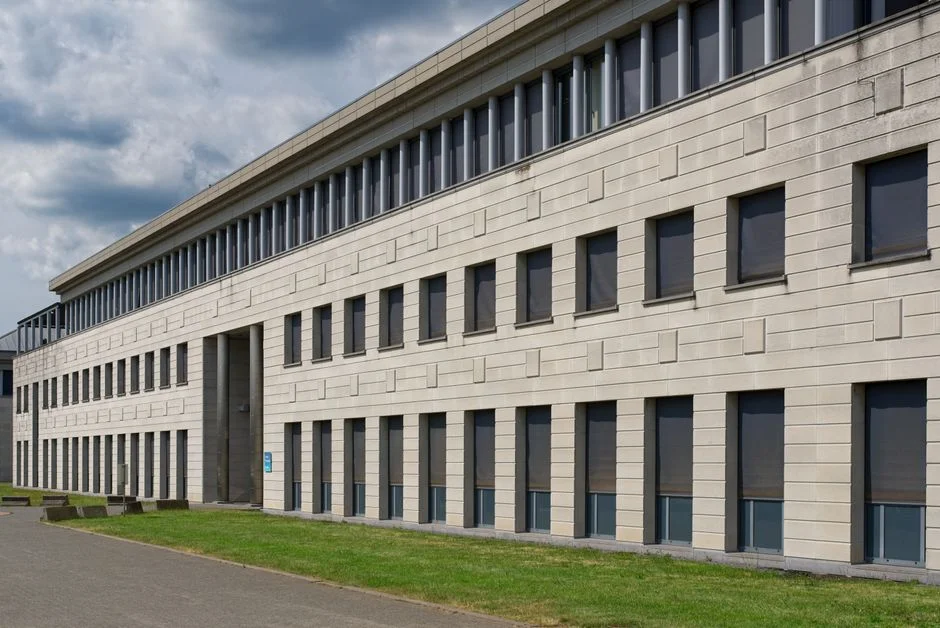
A probe has been launched into the use of Havenpark Secondary School in KwaZulu-Natal as a depot for buses and trucks, raising serious concerns about governance and public resource management. Local authorities, led by Martin Meyer, are investigating the implications of this misuse on education and community infrastructure.
Martin Meyer Calls for Accountability in Education Sector
Martin Meyer, a prominent local politician and member of the KwaZulu-Natal Legislature, has taken a firm stance against the improper use of educational facilities. He stated that schools should serve as places of learning and development, not as depots for commercial vehicles. The probe aims to clarify how this situation arose and who is responsible for permitting such activities.

Impact on Local Community and Education
Havenpark Secondary School, situated in a densely populated area, has reportedly seen a significant decline in its educational environment due to the presence of heavy vehicles. Parents and educators express concern that the noise, traffic, and potential hazards posed by the depot affect students’ ability to learn. This situation exemplifies broader challenges faced by educational institutions across Africa, where inadequate governance and resource allocation often lead to compromised learning conditions.
Governance Challenges and the Need for Reform
The investigation into the Havenpark Secondary School is a microcosm of larger governance issues in South Africa and, by extension, Africa. Despite various initiatives aimed at improving the quality of education and infrastructure, many schools struggle with mismanagement and misuse of resources. The findings of this probe could catalyse necessary reforms in policies governing educational institutions, potentially impacting the Sustainable Development Goals (SDGs) related to quality education and infrastructure.
What’s Next? The Call for Systemic Change
As the probe unfolds, it remains to be seen whether the authorities will hold accountable those responsible for the misuse of Havenpark Secondary School. Stakeholders, including parents, educators, and local leaders, are urging for transparency and action. This situation could serve as a critical turning point for governance in South Africa, setting a precedent for how schools are managed and protected in the future.
Broader Implications for African Development Goals
The issues surrounding Havenpark Secondary School reflect significant continental challenges. The misuse of educational facilities not only hampers individual learning opportunities but also stifles overall economic growth and development. If South Africa can address these local governance failures, it might set an example for other African nations grappling with similar issues. The probe is not just about a school; it is about affirming the importance of educational integrity in achieving African development goals.
See Also
- Father and Daughter's Musical Journey Captivates India - A Story That Resonates Across Continents
- Cross River Isolates 10 Contacts as New Covid-19 Case Raises Concerns
This situation could serve as a critical turning point for governance in South Africa, setting a precedent for how schools are managed and protected in the future.Broader Implications for African Development GoalsThe issues surrounding Havenpark Secondary School reflect significant continental challenges. The findings of this probe could catalyse necessary reforms in policies governing educational institutions, potentially impacting the Sustainable Development Goals (SDGs) related to quality education and infrastructure.What’s Next?