The World Bank Group has emphasised that Somalia must prioritise building climate resilience to unlock long-term economic growth and job creation. This urgent message was delivered during a recent conference in Nairobi, highlighting the pressing challenges that the country faces due to climate change.
Climate Change Threatens Somalia's Future
Somalia, a nation grappling with continuous climate-related crises, is experiencing severe droughts and flooding that undermine its agricultural sector, which employs over 70% of the population. The situation has worsened in recent years, with the World Bank reporting that these environmental challenges have exacerbated food insecurity and economic instability.
World Bank's Recommendations for Sustainable Development
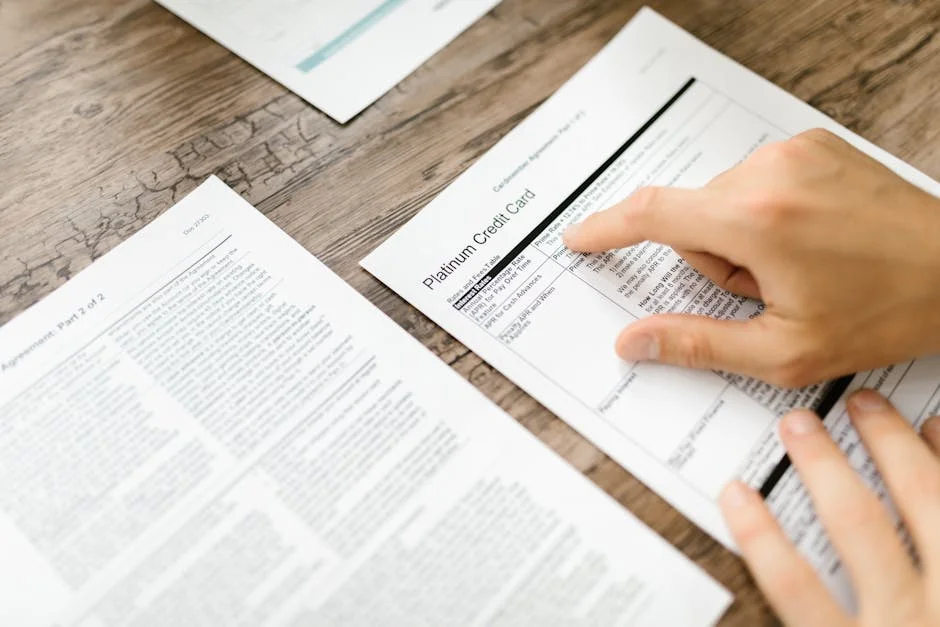
In their latest report, the World Bank Group outlined actionable strategies that Somalia can adopt to enhance its resilience to climate change. These include investing in sustainable agricultural practices, improving water management systems, and developing infrastructure that can withstand climate impacts. The report underscores that integrating climate resilience into national development plans is essential for Somalia to achieve its economic goals.
Connecting Climate Resilience to Job Creation
Building climate resilience is not just about protecting the environment; it is intricately linked to job creation in Somalia. By promoting sustainable agricultural practices and green technologies, the country can generate employment opportunities while ensuring food security. The World Bank estimates that if Somalia effectively implements these strategies, it could significantly reduce unemployment and poverty levels.
The Broader Implications for Africa's Development Goals
This call to action from the World Bank aligns with the African Union's Agenda 2063, which aims for inclusive economic growth and sustainable development across the continent. As climate change poses a universal threat, Somalia's approach could serve as a model for other African nations facing similar challenges. The integration of climate resilience into development strategies is pivotal for achieving the Sustainable Development Goals (SDGs), particularly those related to poverty reduction, sustainable cities, and climate action.
What’s Next for Somalia?
As Somalia navigates its path towards resilience and growth, stakeholders must take note of the World Bank's recommendations. The next steps involve mobilising resources, fostering partnerships, and implementing the outlined strategies to combat climate change effectively. The Somali government, alongside international partners, is tasked with translating these insights into actionable policies that will ultimately enhance both climate resilience and economic stability.
Frequently Asked Questions
What is the latest news about world bank warns somalia building climate resilience is key for economic growth?
The World Bank Group has emphasised that Somalia must prioritise building climate resilience to unlock long-term economic growth and job creation.
Why does this matter for economy-business?
The situation has worsened in recent years, with the World Bank reporting that these environmental challenges have exacerbated food insecurity and economic instability.World Bank's Recommendations for Sustainable DevelopmentIn their latest report, th
What are the key facts about world bank warns somalia building climate resilience is key for economic growth?
The report underscores that integrating climate resilience into national development plans is essential for Somalia to achieve its economic goals.Connecting Climate Resilience to Job CreationBuilding climate resilience is not just about protecting th