Audi has approved eight new models for the South African market, with the expanded lineup scheduled to arrive in 2027. The German luxury brand confirmed the plans this week, marking one of its most significant product commitments to the region in recent years. The announcement signals growing confidence in South Africa's premium vehicle segment despite broader economic headwinds.
What Audi Is Bringing to South Africa
The eight-model rollout will include a mix of sedans and sport-utility vehicles from Audi's global portfolio. Exact model names remain under wraps, but company sources indicate the lineup will span multiple price tiers to broaden appeal beyond traditional luxury buyers. Deliveries are expected to begin in the first quarter of 2027, with pre-orders likely opening several months earlier.
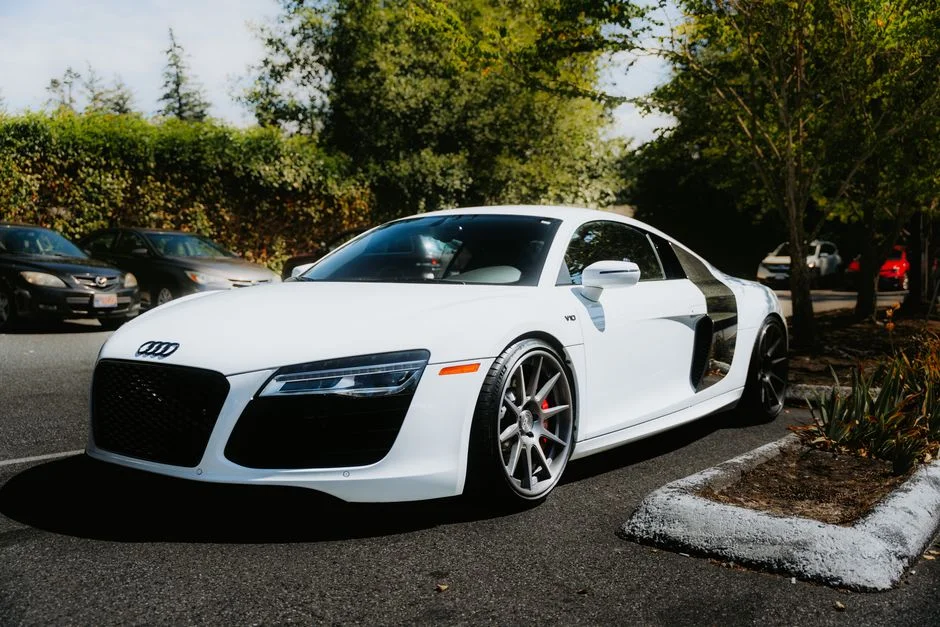
The Four Rings brand has maintained a presence in South Africa for decades, but the 2027 offensive represents a deliberate push to capture market share from rivals including BMW and Mercedes-Benz. South Africa's premium automotive segment has shown resilience, even as overall new-vehicle sales have fluctuated due to currency pressures and rising interest rates.
South Africa's Position in the African Auto Market
South Africa remains the continent's largest automotive manufacturing hub and the primary gateway for global brands targeting sub-Saharan Africa. The country's mature dealer networks, port infrastructure, and relatively stable regulatory environment make it an attractive base for expansion. Ford, Volkswagen, Toyota, and BMW all operate production facilities there, while luxury brands typically use South Africa as their regional hub for neighbouring markets.
For Audi, South Africa serves as the entry point for sales into Namibia, Botswana, Zimbabwe, and Mozambique. The eight new models will be available through the existing dealer network, with the company planning to add service points in key cities including Johannesburg, Cape Town, and Durban. Local analysts say the move could reignite interest in the brand after a period of limited new releases in the market.
Why This Matters for Regional Buyers
Nigerian consumers frequently look to South Africa for access to brands and models not officially distributed locally. While Audi maintains a smaller presence in Nigeria compared to South Africa, the expanded South African lineup could create new avenues for importation and grey-market purchases. Automotive traders in Lagos and Abuja monitor South African launches closely for inventory opportunities.
The stronger product range also raises competitive pressure on brands already serving West African markets. If Audi's South African operation becomes more robust, it may indirectly affect pricing and availability across the continent.
Challenges Facing the Premium Segment
The South African new-vehicle market has faced obstacles including a weakening rand, elevated fuel costs, and rising borrowing rates. Premium brands have not been immune. Total industry sales in 2024 fell short of pre-pandemic peaks, though the luxury segment has held up better than mass-market categories. Audi's bet is that consumers with purchasing power will continue to prioritise quality and brand prestige even in uncertain economic conditions.
Tariff structures and import duties also shape which models make financial sense for South African buyers. Audi's manufacturing base in Germany means all eight models will be imported, placing them in a higher tax bracket than locally produced competitors. The company will need to balance specification levels carefully to keep prices within reach of its target demographic.
What Comes Next
Audi is expected to reveal specific model names and pricing in the first half of 2026, ahead of the formal launch campaign. Dealers in South Africa have been briefed on preparations, including facility upgrades to accommodate service requirements for newer model variants. The brand's regional office in Johannesburg declined to comment on whether any of the eight models will include electric or hybrid options, though global Audi strategy has leaned heavily toward electrified platforms.
Automotive buyers in South Africa and across the region should watch for official confirmations in the coming months. The 2027 lineup will define Audi's competitive standing in sub-Saharan Africa for the next several years.
See Also
- Save Reveals Secrets to Buying Refurbished Electronics - What It Means for Africa's Tech Sector
- Oseni Shocks Fans With Nigeria Call-Up — What It Means for Super Eagles
While Audi maintains a smaller presence in Nigeria compared to South Africa, the expanded South African lineup could create new avenues for importation and grey-market purchases. Audi's bet is that consumers with purchasing power will continue to prioritise quality and brand prestige even in uncertain economic conditions.Tariff structures and import duties also shape which models make financial sense for South African buyers.
What is the latest news about audi confirms eight new models for south africa in 2027 launch?
Why does this matter for environment-nature?
What are the key facts about audi confirms eight new models for south africa in 2027 launch?