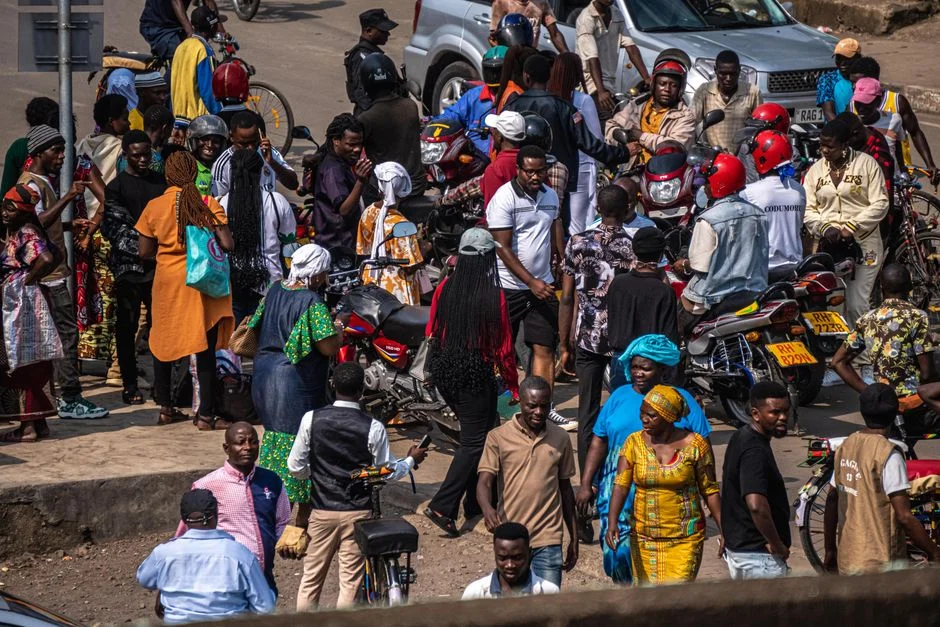
Streaming platforms have helped Amapiano evolve from neighbourhood parties in Johannesburg's townships into a billion-stream global phenomenon. The genre's rise represents more than musical success—it signals how African creative industries can build independent pathways to international markets without relying on traditional gatekeepers.
From Township Roots to Global Playlists
Amapiano emerged from the peri-urban settlements outside Pretoria and the informal settlements of Johannesburg during the early 2010s. Producers blended deep house, jazz, and local loggins rhythms to create a sound defined by warm piano chords, basslines, and the distinctive log drum patterns that now recognisable worldwide. Local radio stations in Soweto and Pretoria began amplifying the sound before commercial radio caught on.
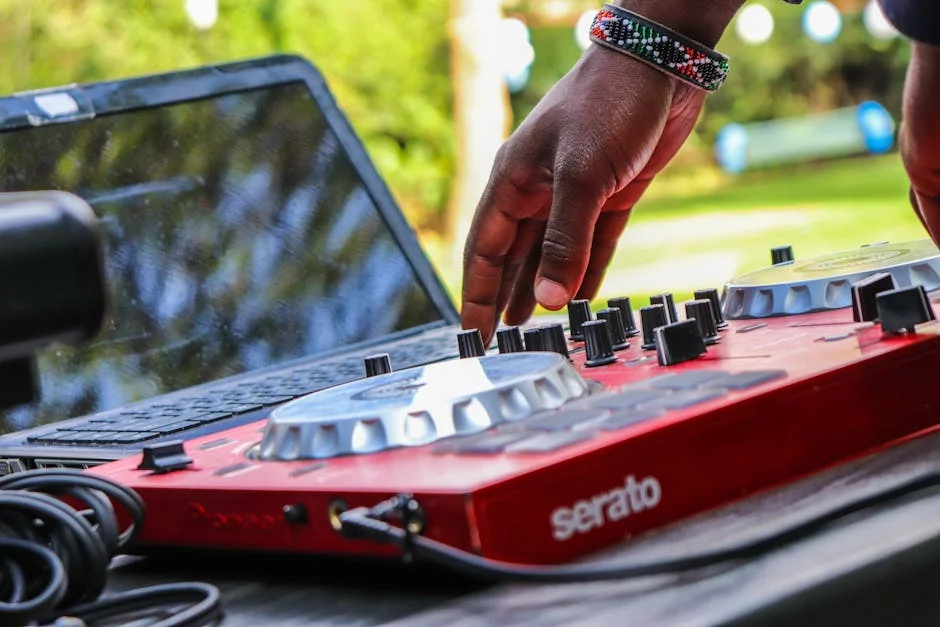
The genre remained largely confined to South African airwaves until 2019, when international DJs discovered Amapiano mixes on SoundCloud and began featuring tracks in club sets across London, Lagos, and New York. Streaming data from Spotify shows that Amapiano playlists grew by more than 300 percent between 2020 and 2023, driven primarily by listeners outside South Africa.
Digital Platforms as Distribution Channels
YouTube has become a primary engine for Amapiano's international reach. Channels dedicated to Amapiano compilations now attract millions of views from audiences in Brazil, Portugal, France, and Nigeria—countries with large diaspora communities connected to South Africa or existingAfrobeat fan bases primed for African music discovery. The platform's recommendation algorithm has amplified this effect, surfacing Amapiano content to users who previously engaged with Afrobeats, house music, or Latin genres.
Music label Afrotainment, based in Johannesburg, has capitalised on this momentum by releasing albums exclusively through digital distribution channels. The label reports that international digital sales now account for 60 percent of its revenue, a stark reversal from five years ago when physical sales and local radio play dominated the business model.
The Role of Streaming in African Music Economies
Spotify's African operations centre in Lagos handles the platform's expansion strategy across the continent. The company has invested in local playlist curation teams and partnered with mobile network operators to offer discounted data bundles for streaming, addressing the cost barriers that limit access in markets where average incomes remain low. These partnerships have expanded the addressable audience for African genres beyond diaspora listeners to continental consumers.
YouTube Music and Apple Music have followed suit, creating dedicated Amapiano editorial playlists that receive prominent placement on their home screens. This algorithmic support functions as a form of discovery infrastructure that previously did not exist for African music genres at this scale.
Economic Implications for South Africa
The commercial success of Amapiano creates downstream opportunities for South Africa's creative economy. Event promoters in Cape Town and Johannesburg now host international Amapiano concerts, attracting tourists from Europe and North America who book travel specifically to attend festivals featuring the genre's leading artists. Tourism South Africa has begun factoring music tourism into its marketing campaigns, highlighting Amapiano festivals as cultural drawcards.
Recording studios in Johannesburg have expanded capacity to meet demand from emerging artists seeking to capture the Amapiano sound. Equipment suppliers and session musicians report increased activity as the genre's commercial viability attracts investment into production quality. The multiplier effect extends to fashion, with local designers incorporating Amapiano aesthetics into clothing lines that sell at concerts and online.
However, questions remain about how equitably these economic gains distribute across the industry. Independent artists without label backing struggle to navigate digital rights management and royalty collection systems that remain opaque. The South African Music Rights Organisation has faced criticism for delays in royalty payments to unsigned creators, prompting calls for reform from advocacy groups representing township-based producers.
Cultural Politics of Global Recognition
The international embrace of Amapiano raises questions about who benefits as the genre scales. South African cultural commentators have noted the irony of international audiences discovering a sound rooted in Black township life only after it received validation from European and North American media. Some producers worry that global commercial pressure will push Amapiano toward homogenisation, prioritising crossover appeal over the genre's experimental roots.
Artists such as Kabza De Small and DJ Maphorisa, who helped define the Amapiano sound at its source, have navigated these tensions by releasing dual projects—commercial albums targeting international audiences alongside deeper, more experimental work for local fans. This bifurcated strategy reflects the challenge of maintaining artistic integrity while capitalising on global attention.
The African Union has cited Amapiano as an example of soft power that continental nations can leverage for cultural diplomacy. AU officials have discussed incorporating African music exports into development strategies that complement tourism and creative industry growth targets outlined in Agenda 2063, the continent's long-term development framework.
What Comes Next for Amapiano
Major record labels based outside Africa have begun signing Amapiano artists to global deals. Warner Music Group established a dedicated Afrobeat and Amapiano division in 2022, reflecting the commercial weight the genre now commands. These deals bring increased marketing budgets and access to global distribution networks, but they also raise concerns about creative control and revenue leakage from local economies.
Streaming platforms are exploring live audio features that could enable virtual Amapiano events, potentially opening new revenue streams for artists while reaching audiences in markets where physical concerts remain inaccessible due to travel costs or visa restrictions. Spotify has tested live session recordings that allow artists to perform directly for global audiences through the platform.
Industry observers will watch whether South Africa's government implements promised reforms to music copyright law and royalty distribution systems. Legislation pending before Parliament would establish a new regulatory body with stronger enforcement powers over streaming platforms, potentially improving transparency for creators. The outcome will determine whether Amapiano's economic benefits flow primarily to major labels and international platforms or distribute more broadly across the independent artists who built the genre from the ground up.
See Also
- Will Young Headlines Theatre Royal Plymouth Panto — Impact on Nigerian Entertainment
- Bello Matawalle Faces Backlash Over Wedding Guest List Amid Nigeria's Violence: The Public Reaction