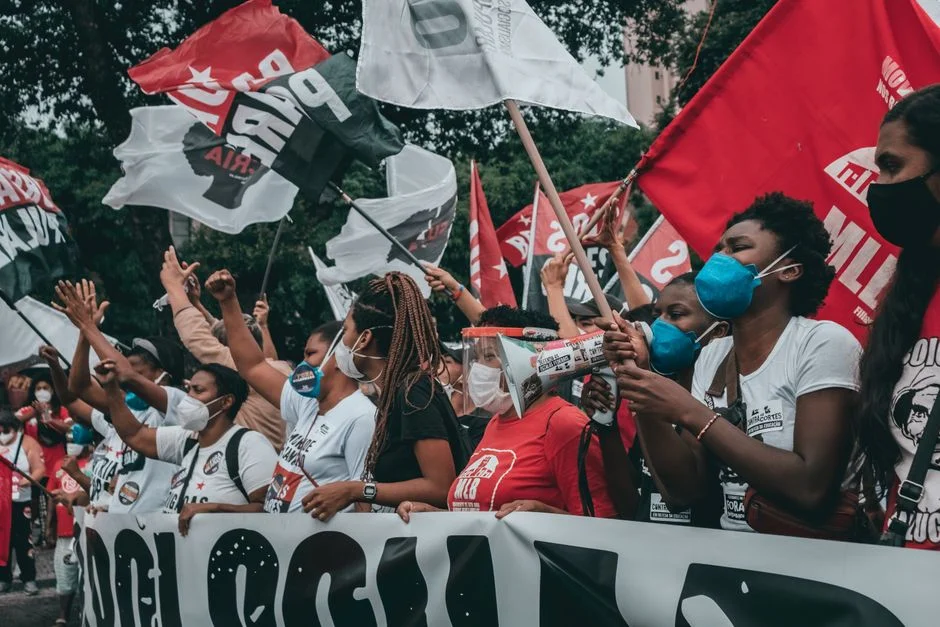
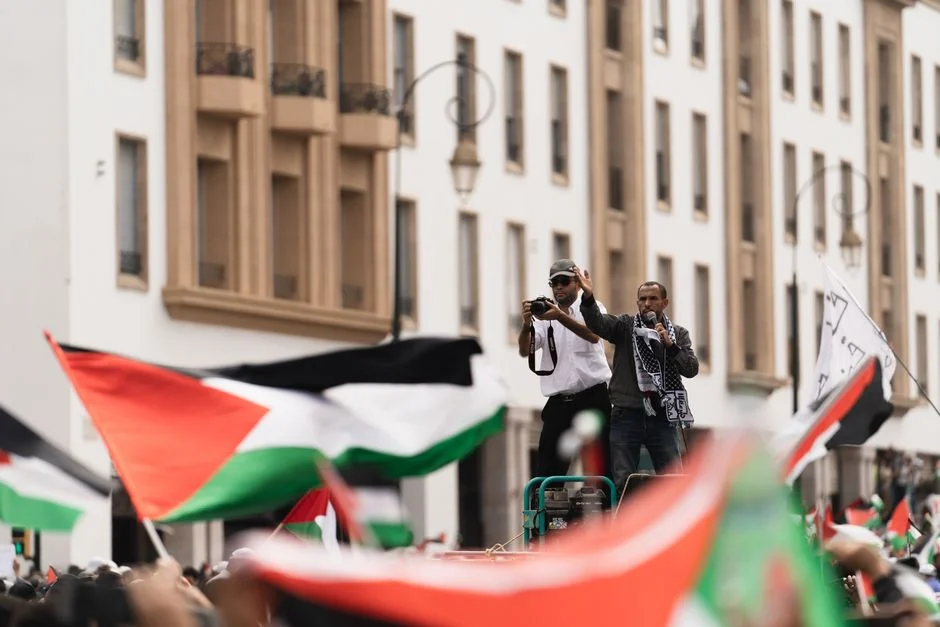
Kenyan police detained more than 350 people on Tuesday as thousands of demonstrators took to the streets to mark one year since the deadly Finance Bill protests that swept across the country in 2024, according to a statement from the Directorate of Criminal Investigations. The mass arrests came as the government vowed to prevent a repeat of the violent unrest that left dozens dead and reshaped Kenyan politics.
Police Deployed Across Nairobi as Rallies Begin
Security forces established multiple checkpoints across Nairobi's central business district on Tuesday morning, restricting movement near former protest flashpoints including the Parliament Buildings and Uhuru Gardens. Kenya Police Service officers used water cannons to disperse crowds that attempted to gather in the afternoon, the DCI confirmed in a social media post. Several other cities, including Mombasa, Kisumu, and Nakuru, also witnessed demonstrations that drew thousands of participants.
What Triggered Last Year's Deadly Protests
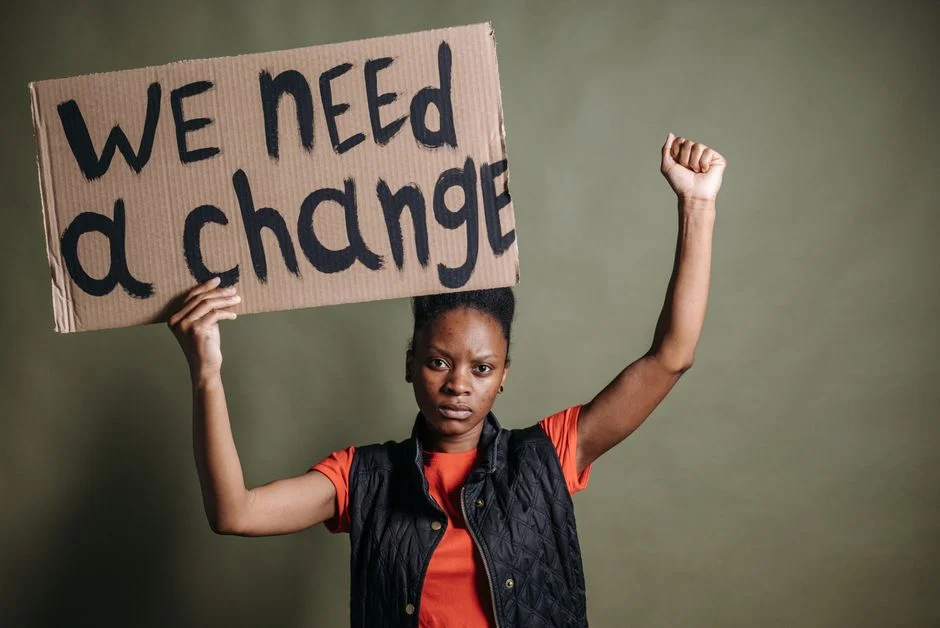
The demonstrations commemorated last June's mass protests against the Finance Bill 2024, legislation that critics argued would impose unbearable costs on ordinary Kenyans already struggling with high food prices and fuel expenses. The original bill proposed sweeping tax increases that opponents said would deepen economic hardship for millions of households. Public anger over the proposed taxes catalysed the largest wave of protests Kenya had seen in years, with young Kenyans in particular leading calls for the government to abandon the legislation entirely. Gen Z demonstrators used social media to organise and amplify their message, bypassing traditional political structures that had long dominated Kenyan civic engagement.
The protests quickly evolved from opposition to the Finance Bill into broader demands for government accountability and an end to corruption. Demonstrators called for the resignation of senior cabinet members and accused officials of enriching themselves while ordinary citizens bore the burden of economic stagnation. The movement exposed deep fissures between the political establishment and a younger generation frustrated by unemployment, inequality, and what they saw as a system designed to benefit the elite.
Allegations of Excessive Force by Security Agencies
Human rights organisations have documented widespread allegations that police used excessive force during last year's demonstrations. The Independent Policing Oversight Authority received thousands of complaints regarding police conduct, including the use of live ammunition against unarmed protesters. The Kenya National Commission on Human Rights documented at least 62 deaths during the protest period, though the exact figure remains disputed. The DCI has not commented on specific allegations of rights violations and stated only that police acted within the law.
Government Defends Crackdown as Necessary
The Kenyan government has maintained that security forces acted proportionately to restore order after protests turned violent. Cabinet Secretary for Interior Douglas Muthoni said this week that the government would not tolerate unlawful assembly that threatens public safety or property. The government has banned several planned demonstrations in the weeks leading up to the anniversary, citing the Public Order Act and arguing that processions require permits that organisers failed to obtain. Critics of the ban argue it violates constitutional protections for peaceful assembly and assembly, with opposition politicians describing the restrictions as an assault on democratic freedoms.
Political Fallout Reshaped Kenyan Politics
The 2024 protests forced a significant political reckoning. President William Ruto abandoned the Finance Bill entirely, a move that was seen as a major concession to demonstrators but also exposed divisions within his coalition. Several cabinet members resigned in the aftermath, and the government scrambled to reassemble its parliamentary majority. The protests also galvanised opposition parties, which have since coordinated more closely in their criticism of the administration. Public trust in the government declined sharply following the violence, according to surveys conducted by local research institutions.
Police Reforms Announced But Questions Remain
The government launched a police reform initiative following the 2024 protests, promising improved training on crowd control and greater accountability for officers accused of misconduct. The National Police Service has established a new internal affairs unit to investigate complaints against officers. However, human rights groups say the reforms have been insufficient and that no officers have faced criminal prosecution for killings during the demonstrations. Families of victims continue to demand justice through the courts, with several cases pending before Kenyan judges.
What Happens Next
Opposition leaders have called for nationwide commemoration events to continue despite the police presence, arguing that citizens have a constitutional right to assemble peacefully. The government has warned that any demonstrations that turn violent will be met with the full force of the law. International observers including the African Union have urged all parties to exercise restraint and respect fundamental rights. The coming days will test whether Kenyan authorities can prevent further confrontation while managing legitimate public grief over last year's violence. Court challenges to the protest ban are expected to proceed this week, potentially setting an important precedent for assembly rights in the country. Watch for whether the opposition can sustain momentum through the anniversary period and whether the government faces renewed pressure from donors over its handling of civil liberties.
See Also
- Namibia's Green Energy Push Sparks Penguin Conservation Fears
- Angola Halts Mining Operations After 29 Young Garimpeiros Tragically Die
Critics of the ban argue it violates constitutional protections for peaceful assembly and assembly, with opposition politicians describing the restrictions as an assault on democratic freedoms.Political Fallout Reshaped Kenyan PoliticsThe 2024 protests forced a significant political reckoning. President William Ruto abandoned the Finance Bill entirely, a move that was seen as a major concession to demonstrators but also exposed divisions within his coalition.