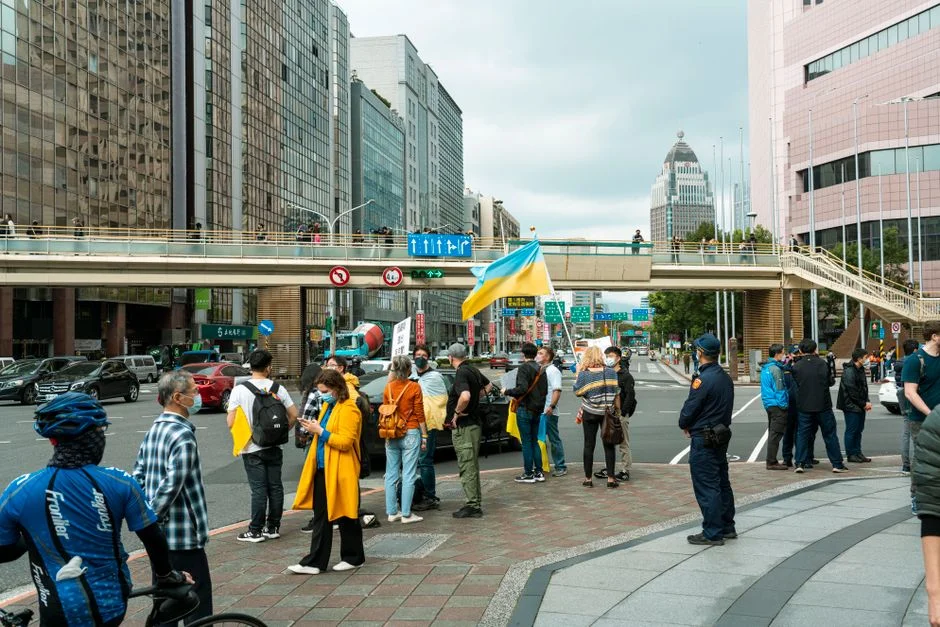
A protester died after being shot during a rally in Kenya on Friday, local media reported, as demonstrators gathered to oppose the construction of an American-funded Ebola treatment centre. The incident has reignited debate over public health infrastructure and community trust in foreign-backed medical projects.
Deadly confrontation at the rally
The shooting occurred in the early afternoon during a protest in a suburban area outside Nairobi, according to reports from local news outlets. Witnesses described a volatile scene where security forces moved to disperse the crowd, resulting in the fatal injury. The identity of the deceased has not been officially confirmed pending notification of family members.
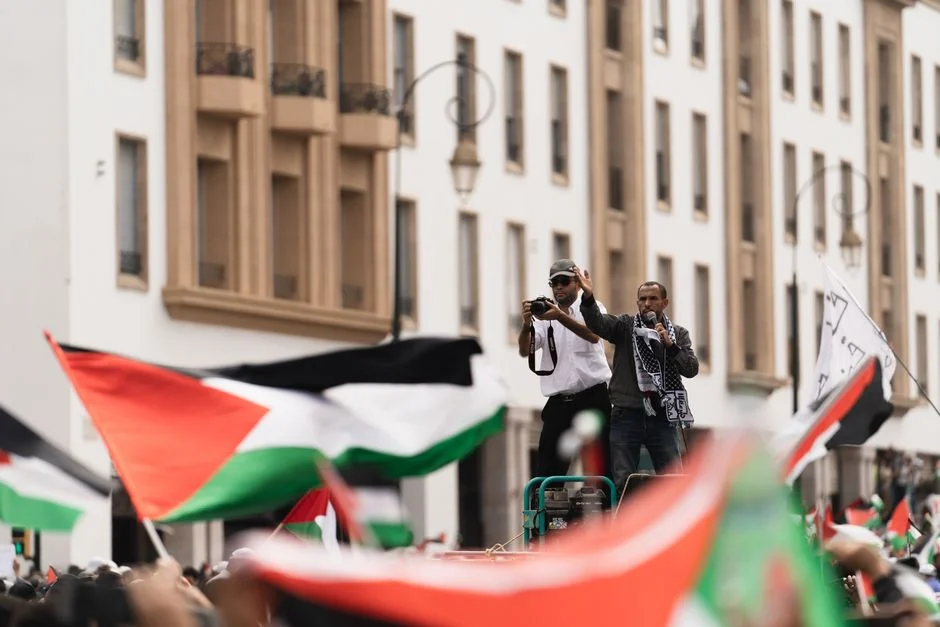
Kenya'sInspector General of Police deployed additional officers to the area following the violence, a government spokesperson confirmed. The Ebola treatment centre, funded by the United States government, had been under construction for several weeks when opposition from local residents intensified.
Why residents opposed the facility
For months, community members near the proposed site raised concerns about the centre's location in a densely populated neighbourhood. Many feared that housing an Ebola treatment facility in their area would stigmatise residents and damage local businesses already struggling with economic pressures.
Local leaders said during interviews with regional media that residents were not opposed to Ebola preparedness itself but wanted a transparent consultation process before a facility was placed in their community. "We support fighting Ebola," one community elder stated, "but decisions cannot be made for us without discussion."
Health officials defend the project
Kenya's Ministry of Health has maintained that the treatment centre is essential for national epidemic preparedness. East Africa remains vulnerable to Ebola outbreaks following the devastating 2014–2016 West African epidemic and subsequent flare-ups in the Democratic Republic of Congo. Health officials argue that isolation facilities save lives by containing outbreaks before they spread.
The United States Agency for International Development (USAID) confirmed it had provided funding for the project but said implementation decisions rested with Kenyan authorities. American diplomatic officials in Nairobi declined to comment further as the investigation remains ongoing.
Historical tensions over epidemic response
The protest marks a recurring pattern across the continent where communities have resisted quarantine centres or treatment facilities during health emergencies. During the 2014 Ebola crisis, Liberian communities blocked roads to isolation units and aid workers faced hostility in Sierra Leone. Health experts have long studied how mistrust and poor communication fuel such backlash.
In Kenya specifically, memories of earlier disease outbreaks and experiences with quarantine measures have shaped public attitudes toward centralised treatment facilities. Many residents view neighbourhood isolation centres differently from hospitals they consider part of their normal healthcare system.
Government response and political fallout
Kenya's Ministry of Interior announced a formal investigation into the circumstances surrounding the shooting. Authorities said they are reviewing body camera footage and gathering witness statements to determine whether the use of lethal force was justified under existing crowd-control guidelines.
Opposition politicians have called for accountability and an end to what they describe as heavy-handed responses to peaceful assembly. The Kenya National Commission on Human Rights said it was monitoring the situation and urged authorities to respect constitutional rights to protest.
What happens next
Construction at the site has been temporarily halted pending review, according to a ministry official. The government faces the challenge of balancing epidemic preparedness with community acceptance, a tension that public health officials say requires better engagement strategies.
Health experts are watching to see whether Kenyan authorities announce a new consultation process with affected residents. The outcome could set a precedent for how similar projects are implemented across the region, where foreign-funded health infrastructure continues to expand.
See Also
- Jaishankar Engages Araghchi Amid Escalating Middle East Conflict: Implications for Africa
- Ethiopia's Abiy Ahmed Aims for Landslide Victory as Polls Open Today