A coalition of African governments is demanding sweeping changes to how data generated on the continent is stored, processed, and governed, with the United Nations signaling support for regional efforts to establish what leaders call digital sovereignty. The push marks a significant shift in global technology governance discussions, placing Africa at the center of debates over who controls the digital infrastructure that shapes modern economies. Officials from more than 40 African nations have backed initiatives aimed at reducing dependence on foreign technology platforms and servers, arguing that current arrangements leave the continent vulnerable to external pressures. The movement comes as digital trade volumes across Africa have grown rapidly, with data flows increasingly recognized as a strategic resource equivalent to traditional commodities.
Continental Framework Takes Shape
The African Union has been working to consolidate various national data protection laws into a cohesive continental framework that would give member states collective bargaining power in negotiations with major technology companies. Officials involved in the process say the goal is not to isolate Africa from global digital networks but to ensure the continent captures greater value from data generated within its borders. The AU framework addresses cross-border data transfers, requiring companies to store certain categories of data locally and submit to regulatory oversight by African authorities rather than foreign courts. Several countries, including Nigeria, Kenya, and South Africa, have already enacted domestic data protection legislation, but advocates say a unified approach would strengthen enforcement and reduce compliance burdens for businesses operating across multiple markets.
Why Local Data Storage Matters
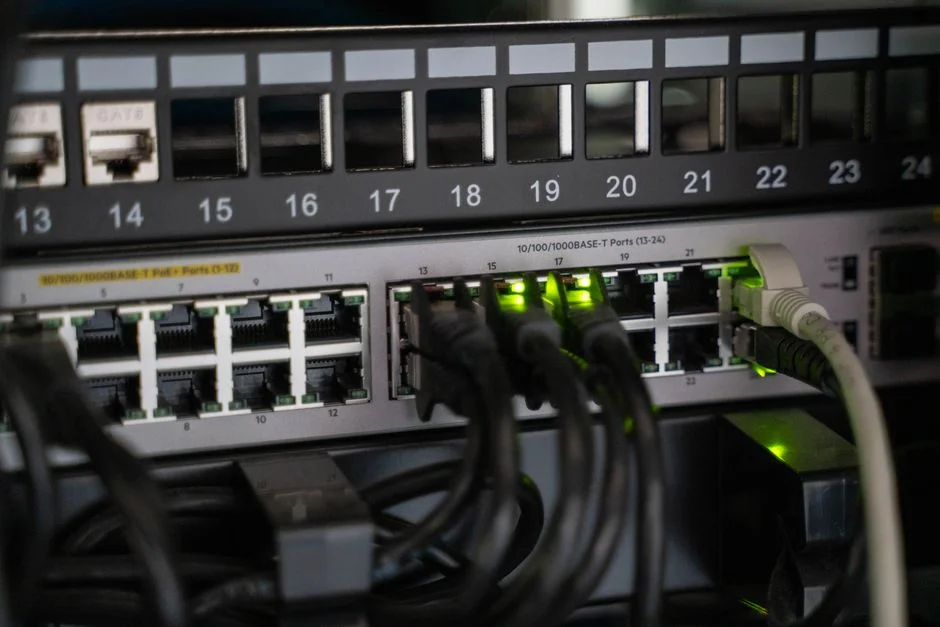
Proponents of data sovereignty argue that when African citizens' information is stored on servers outside the continent, it creates economic leakage worth billions of dollars annually. They point to estimates suggesting most cloud computing infrastructure used by African businesses is hosted in Europe or North America, meaning subscription fees and processing costs flow outward rather than building domestic technology sectors. Local storage requirements would force investment in African data centers, creating jobs and technical expertise while keeping sensitive information within reach of regional regulators. Critics within the technology industry warn that mandated localization could increase costs for businesses and slow the deployment of innovative services in markets where infrastructure remains limited.
The United Nations Role
The UN has increasingly positioned itself as a convener on digital governance issues, with Secretary-General António Guterres calling for renewed international cooperation on technology policy. The organisation's support for African data sovereignty efforts reflects a broader acknowledgment that existing global frameworks were largely designed without input from developing nations. UN agencies have been working with African governments to develop technical standards and regulatory capacity, providing training and institutional support to data protection authorities across the continent. This technical assistance aims to help African regulators effectively oversee multinational technology companies that have historically operated with minimal local accountability.
Technology Industry Response
Major technology companies have responded to the sovereignty movement with a mixture of accommodation and concern. Some firms have announced investments in African data center infrastructure, recognizing that regulatory pressure is reshaping the landscape for digital services on the continent. Microsoft, Google, and Amazon Web Services have each committed to building or expanding facilities in various African countries over the past several years. At the same time, industry groups have urged African governments to ensure that data localization requirements do not fragment the global internet or create barriers to trade. Negotiations between technology firms and African regulators continue, with both sides seeking arrangements that balance security concerns with economic pragmatism.
Governance and Security Dimensions
Beyond economic considerations, African officials have emphasized national security justifications for data sovereignty. They point to incidents where foreign governments have accessed data stored by American technology companies under legal frameworks that African citizens had no voice in shaping. The ability of external actors to obtain information about African individuals and institutions without notification to local authorities has raised concerns among intelligence and law enforcement agencies. Data sovereignty would require that requests for African data go through regional legal processes, giving local courts authority to review and potentially block foreign government demands. This governance dimension has bipartisan support across African political landscapes, with leaders from various ideological backgrounds united in demanding greater control over digital infrastructure.
Economic Stakes for African Nations
The economic argument for data sovereignty rests partly on projections showing that global data flows will continue expanding exponentially, with the African share of digital commerce expected to grow substantially over the coming decades. Without deliberate policy intervention, African nations risk becoming consumers of digital services without capturing meaningful production or employment benefits from the data economy. Governments are examining how to position African startups and research institutions to develop locally relevant applications rather than simply importing solutions designed for other markets. The AU estimates that effective implementation of data sovereignty measures could generate significant new economic activity within a generation, though achieving that potential depends on sustained investment in digital infrastructure and education.
What Comes Next
African ministers are scheduled to convene later this year to finalize the continental data governance framework, with a target of establishing binding commitments among member states by the end of 2025. Implementation timelines will vary by country depending on existing regulatory capacity, but the framework is expected to include provisions for mutual recognition of data protection standards across borders. The UN has indicated it will continue supporting African efforts through its technology diplomacy initiatives, though funding for infrastructure development will require coordination with development banks and private investors. Technology companies are watching the process closely, with many beginning to adapt their regional strategies in anticipation of stricter African requirements. The outcome of these negotiations could set precedents that influence digital governance debates in other developing regions facing similar questions about data control and technological independence.
See Also
- Roche Launches Health Reform Drive in Lagos to Boost Universal Coverage
- Ivermectin's New Role: From Covid Cure to Cancer Treatment in Africa