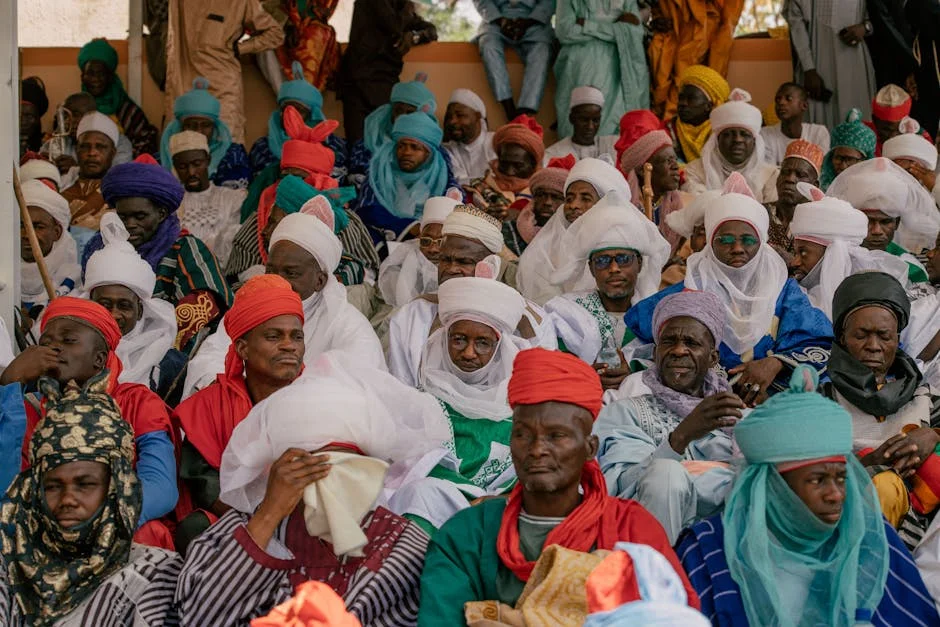
President Bola Tinubu on Friday praised Nigeria's Navy as the service marked its 70th anniversary, declaring that protecting the nation's maritime boundaries was non-negotiable for economic recovery and growth. Speaking at a parade in Abuja, Tinubu said the armed forces deserved modern equipment and better conditions of service. The celebration brought together senior military officers, veterans, and cabinet members at a time when the navy faces mounting pressure from piracy and oil theft in the Gulf of Guinea.
Tinubu's Address to Officers and Veterans
Tinubu arrived at the parade ground at Defence Headquarters shortly after 10am and was received by the Chief of Naval Staff, Vice Admiral Emmanuel Ogalla. In his speech, the president acknowledged the navy's role in securing Nigeria's coastal waters, which host some of the country's most critical oil infrastructure. He praised the service for defending economic assets worth billions of dollars against sabotage and theft. The event coincided with the commissioning of two new fast patrol vessels that joined the fleet last month.
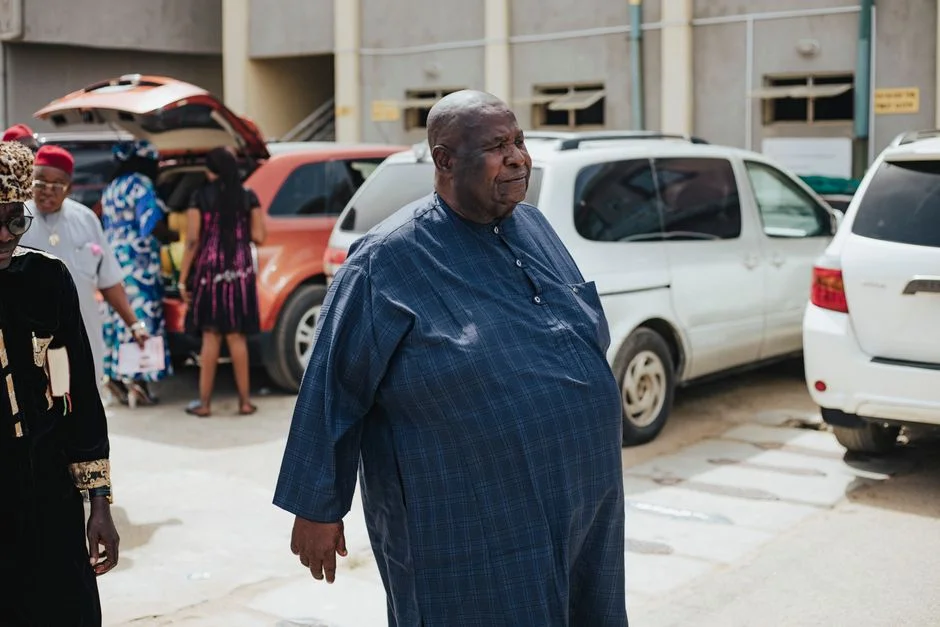
The president also used the occasion to announce that his administration had approved a five-year plan to revamp naval infrastructure. Details of the plan, including its total cost, are expected to be released in the next few weeks through the Ministry of Defence. Tinubu said the plan would include upgrades to naval bases in Lagos, Port Harcourt, and Calabar. Veterans who attended the ceremony said they were encouraged by the announcement but wanted to see firm timelines attached to funding commitments.
What the 70th Milestone Means
Nigeria's Navy traces its founding to 1956, when it was established as part of the colonial Nigerian Military Forces before gaining full independence alongside the rest of the country in 1960. The service has since evolved from a small riverine force into a blue-water navy with offshore patrol capabilities. Over the past decade, it has increasingly been deployed against militants in the Niger Delta and against criminal networks operating along the coastline.
Security Threats Driving the Upgrade Push
The navy currently operates with a fleet of roughly 80 vessels, according to a 2024 inventory published by the International Institute for Strategic Studies. Insiders say many of those ships are decades old and spend extended periods in dry dock for repairs, reducing patrol coverage in critical zones. Attacks on offshore oil platforms have risen by an estimated 18 percent in the past two years, according to figures from the Nigerian Maritime Administration and Safety Agency. The navy has disputed some of those figures, saying its intervention rate has improved, but private oil companies have publicly complained about the frequency of incidents near Brass and Bonny.
Beyond piracy, the service is also tasked with countering illegal fishing and smuggling along Nigeria's 853-kilometre coastline. Last year, the navy seized 12 foreign fishing vessels and detained their crews off the coast of Bayelsa. Those operations, officials say, require reliable ships and good intelligence sharing with the Nigerian Navy.
Budget Pressures and International Partnerships
Funding remains a central challenge. Nigeria's defence budget for 2025 allocates roughly 890 billion naira to all military branches combined, and the navy competes with the army and air force for a share of that sum. The president told reporters after the parade that his government was exploring foreign military financing arrangements with the United States, France, and China to bridge the equipment gap. A deal with a Chinese shipyard for the construction of three offshore patrol vessels is currently under negotiation, according to a source in the Defence Ministry who asked not to be named ahead of a formal announcement.
International partners have shown interest in working with the navy on joint exercises. The Gulf of Guinea Commission, a regional body headquartered in Abuja, has called for closer coordination among member states' navies to tackle cross-border crime. Nigeria's navy already hosts a maritime cooperation centre that trains officers from Ghana, Cameroon, and Togo. Those programmes are expected to expand under the new five-year plan, officials said.
What Comes Next for Nigeria's Naval Ambitions
Tinubu closed his remarks by telling officers that Nigeria could not achieve its development goals without controlling its maritime space. He said his administration was committed to ensuring the navy had the resources it needed to be effective. The Ministry of Defence is scheduled to present a full breakdown of the naval upgrade plan to the National Assembly in April. Defence committee members have already said they expect a detailed session on ship procurement timelines and crew training targets. Observers will be watching closely to see whether funding commitments are reflected in the next supplementary budget request, expected before the end of the second quarter.
See Also
- MOSOP Demands Ramsar Compliance in Ogoniland Oil Projects - Full Story Inside
- Middle East Crisis Triggers Fuel Price Surge in India: What It Means for Nigeria