President Bola Tinubu has launched a series of decisive actions aimed at redefining Nigeria's governance landscape amidst an increasingly constrained democratic environment. His administration's recent initiatives, unveiled during a public address in Abuja, signal a commitment to tackling pressing national issues even as critics raise alarms about democratic backsliding.
Addressing Nigeria’s Governance Challenges
On October 10, 2023, President Tinubu unveiled plans to enhance infrastructure and education as part of a broader strategy to stimulate economic growth. This initiative includes a proposed budget increase of 15% to fund critical sectors, such as health and education, which have long been neglected. Tinubu stated that “Nigeria cannot afford to be stagnant,” urging swift action to foster development.

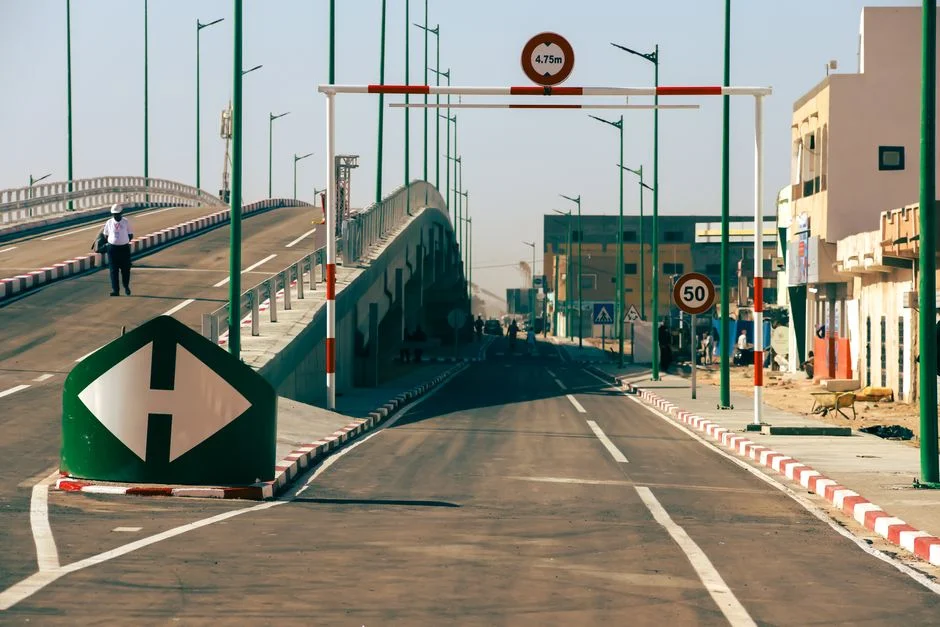
Central to these proposals is the focus on infrastructural improvements. Tinubu emphasised the urgent need to rehabilitate roads and expand access to reliable electricity, which are necessary conditions for attracting foreign investment and promoting local enterprise.
Pan-African Implications of Tinubu’s Policies
Tinubu's policies align closely with the African Union's Agenda 2063, which calls for economic transformation and improved governance across the continent. By investing in infrastructure and education, Nigeria aims to set a precedent for other African nations facing similar challenges. These efforts could prove beneficial not only for Nigeria but for regional partners seeking to bolster their own development agendas.
Moreover, his administration's push for transparency and accountability in governance reflects a growing trend among African leaders to meet development goals through improved governance. This could foster a culture of collaboration among nations, enhancing regional integration.
Critics Voice Concerns
Despite these ambitious plans, critics argue that Tinubu's administration risks undermining democratic principles as it strives for efficiency. Concerns have been raised regarding the government's recent moves, including the suspension of certain civil liberties that are deemed detrimental to national security. Former Senator Shehu Sani cautioned that “the balance between security and freedom is delicate; Nigeria must tread carefully.”
Human rights advocacy groups have called for vigilance, urging the public to hold the administration accountable for any overreach that might erode democratic norms. They argue that economic growth cannot come at the expense of fundamental freedoms.
Economic Growth and Investment Opportunities
Economically, Tinubu's administration is taking steps to create an environment conducive to investment. His government has launched initiatives aimed at attracting foreign investors, including tax incentives and partnerships with private sectors. In a recent announcement, the Minister of Finance noted that Nigeria received over $4.2 billion in foreign direct investment in the first half of 2023, reflecting growing confidence in the country's economic future.
These moves might signal a turning point for Nigeria, as the country's large consumer market and rich resources present substantial opportunities for investors. However, effective governance will be crucial to sustaining this momentum.
Health and Education Focus
Tinubu's commitment to health and educational reforms is evident in his administration's pledge to increase funding for health services by 20% next year. Health Minister Dr. Osagie Ehanire confirmed that plans to enhance healthcare delivery systems are underway, targeting rural areas that suffer from inadequate medical facilities.
In education, the government aims to increase access to quality schooling, particularly for girls and underprivileged communities. This focus not only aligns with Nigeria's developmental aspirations but also reflects broader African goals to ensure inclusive education for all.
The Road Ahead: What to Watch
As Nigeria navigates these bold initiatives, the administration must manage the delicate balance between promoting development and protecting democratic values. Investors and citizens alike will be watching closely to see how Tinubu's strategies unfold in the coming months. Key deadlines include the presentation of the 2024 budget in November, which will further outline the administration's priorities.
Ultimately, the success of these efforts will depend on how effectively the government addresses both economic challenges and the preservation of democratic principles. The international community will be keenly observing Nigeria’s path forward, as it could serve as a case study for governance in a rapidly changing African landscape.
See Also
- Myanmar’s Military Leader Moves One Step Closer to Becoming President
- Modi Slams TMC Over Malda Violence — Tensions Rise in Bengal
In a recent announcement, the Minister of Finance noted that Nigeria received over $4.2 billion in foreign direct investment in the first half of 2023, reflecting growing confidence in the country's economic future.These moves might signal a turning point for Nigeria, as the country's large consumer market and rich resources present substantial opportunities for investors. This focus not only aligns with Nigeria's developmental aspirations but also reflects broader African goals to ensure inclusive education for all.The Road Ahead: What to WatchAs Nigeria navigates these bold initiatives, the administration must manage the delicate balance between promoting development and protecting democratic values.