Benin has officially challenged the growing political friction within the African, Caribbean, and Pacific (ACP) group, signaling a shift in how West Africa navigates continental alliances. This diplomatic maneuver comes at a critical juncture for regional integration efforts across the Economic Community of West African States (ECOWAS). The tension threatens to disrupt trade corridors that connect landlocked nations to the Atlantic coast.
Accra and Port-au-Prince have faced increasing pressure from member states who question the bloc’s cohesion. Benin’s leadership argues that the current disputes undermine the economic potential of the region. This stance positions Cotonou as a key player in reshaping African diplomatic strategies.
Diplomatic Fractures in the ACP Alliance
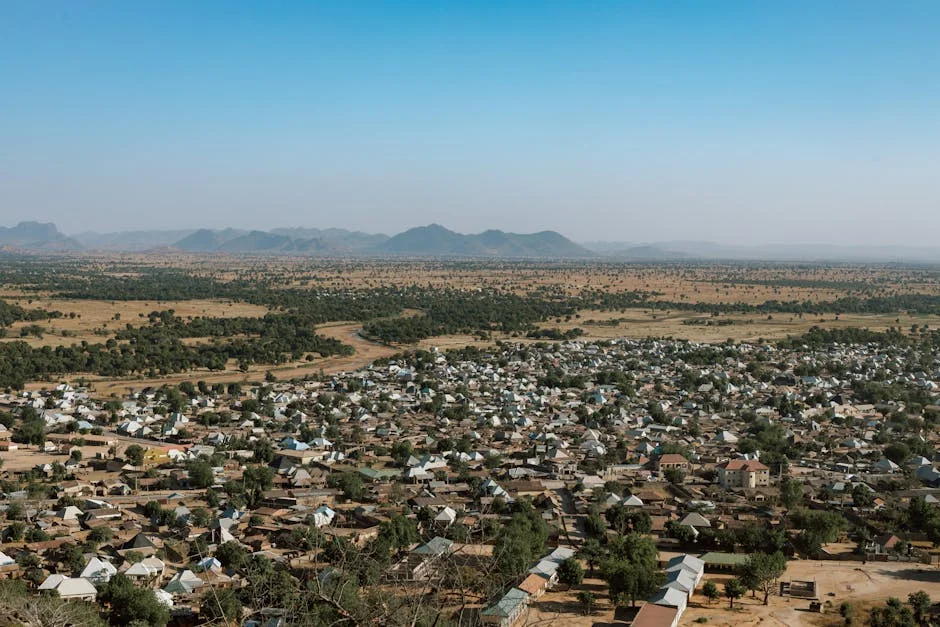
The African, Caribbean, and Pacific group has long served as a bridge between emerging economies and European markets. However, internal disagreements over representation and funding allocation have created visible cracks. Benin’s recent statements indicate a growing impatience with the status quo. The government in Cotonou views the current stalemate as a barrier to faster economic growth.
Morocco and Sudan have also faced scrutiny within broader African diplomatic circles, though their direct involvement in this specific ACP tension varies. Sudan’s ongoing internal conflicts continue to distract from its external diplomatic engagements. Meanwhile, Morocco’s expanding influence in Africa sometimes creates friction with established regional powers. These dynamics complicate the broader pan-African narrative of unity.
Observers note that Benin’s move is not merely symbolic. It represents a strategic calculation to secure better trade terms. The country relies heavily on port revenues from neighboring Nigeria and Niger. Any political instability in regional blocs can directly impact these vital income streams. Cotonou Port handles millions of tons of cargo annually, making it a linchpin for West African logistics.
Implications for Regional Trade and Infrastructure
Trade flows in West Africa are highly sensitive to political shifts. The Corridor linking Cotonou to Ouagadougou and Niamey is one of the most efficient routes for moving goods. Disputes within the ACP could lead to slower customs clearances and increased tariffs. This would raise costs for consumers in landlocked countries. Infrastructure development projects may also face funding delays if diplomatic relations sour.
Impact on Nigerian Economic Ties
Nigeria shares a long border with Benin, and the two countries maintain deep economic interdependencies. The Apapa-Lagos corridor often relies on Cotonou as an alternative route during congestion. If Benin’s diplomatic stance leads to broader regional realignments, Nigeria must adapt its trade strategies. Nigerian importers could see fluctuating prices for essential goods like cement and refined oil. The stability of the Benin-Nigeria border remains a priority for both governments.
Regional integration goals under the African Continental Free Trade Area (AfCFTA) depend on stable bilateral relationships. Tensions in smaller blocs like the ACP can ripple out to affect the larger continental framework. Investors watch these diplomatic signals closely. Uncertainty often leads to capital flight from smaller West African economies. Benin’s leadership understands that maintaining open channels with neighbors is essential for attracting foreign direct investment.
Health and Social Development Concerns
Political stability directly influences public health outcomes. The Benin health update from the Ministry of Public Health highlights the importance of consistent funding for vaccination campaigns. Disputes within international blocs can delay the arrival of medical supplies and expert staff. The COVID-19 pandemic revealed how fragile supply chains can disrupt health services. A stable diplomatic environment ensures that health infrastructure projects receive timely support from international partners.
Education initiatives also benefit from strong regional cooperation. Scholarships and exchange programs between ACP countries provide opportunities for students and professionals. If tensions rise, these cultural and educational bridges may weaken. The long-term effect could be a reduction in human capital development across the region. Benin’s focus on easing these tensions aligns with broader goals of improving social services for its citizens.
Economic Growth and Investment Climate
Foreign investors prefer predictable political environments. Benin has worked hard to position itself as a stable destination for manufacturing and logistics. The recent diplomatic friction introduces a layer of uncertainty. Companies operating in Cotonou may reassess their expansion plans. The government has responded by emphasizing its commitment to regulatory consistency. This message aims to reassure stakeholders that economic policies will remain steady despite diplomatic shifts.
The agricultural sector is another area of concern. Benin is a major producer of cotton, shea butter, and sesame seeds. These commodities are often exported through ACP trade agreements. Changes in tariff structures or non-tariff barriers could affect farmer incomes. Rural communities depend on these exports for their livelihoods. Ensuring smooth diplomatic relations helps protect the earnings of millions of smallholder farmers.
Broader Pan-African Development Goals
African development goals emphasize unity, economic self-reliance, and improved governance. The current tensions within the ACP bloc test these principles. Benin’s approach reflects a desire for more equitable partnerships. The country seeks to ensure that smaller nations have a louder voice in decision-making processes. This aligns with the broader movement for African agency in global affairs.
Governance reforms are also part of the equation. Transparent and accountable institutions help manage diplomatic challenges. Benin has made strides in improving its governance metrics over the past decade. The current diplomatic move demonstrates a proactive rather than reactive approach to foreign policy. This strength in governance can serve as a model for other West African nations facing similar challenges.
Looking Ahead: Next Steps for West Africa
The coming months will be critical for determining the outcome of these diplomatic tensions. Regional leaders are expected to convene for a series of summits to address the issues. Stakeholders should watch for announcements regarding new trade agreements or funding commitments. The response from neighboring countries like Nigeria and Togo will also provide clues about the broader regional sentiment. Investors and policymakers must stay alert to shifts in diplomatic language and policy adjustments.
See Also
- Catholic Leaders in Lagos Push for Radical Inclusion in African Mission
- DRC Protests Ignite Rwampara Ebola Ward — Health System Fractures
What is the latest news about benin slams aes bloc tensions regional trade faces new hurdles?
Why does this matter for health-medicine?
What are the key facts about benin slams aes bloc tensions regional trade faces new hurdles?