Vusi Mahlasela has returned to the stage in Mamelodi, using his voice to highlight the enduring economic struggles facing South Africa’s working class. The singer’s latest performance in the Pretoria suburb underscores a continent-wide debate on how cultural narratives shape development goals. His lyrics directly address the gap between political promises and the daily reality of millions of Africans.
This moment in South Africa offers a mirror for Nigeria and other African nations grappling with similar structural challenges. The intersection of art, governance, and economic growth remains a critical area for pan-African analysis. Understanding how artists like Mahlasela frame these issues provides insight into public sentiment and the urgency of reform.
Cultural Narratives Shape Development Discourse

Art in Africa has never been merely decorative; it serves as a barometer for societal health and a catalyst for change. Vusi Mahlasela’s work exemplifies this tradition, bridging the gap between high-brow political commentary and grassroots experience. His presence in Mamelodi, a historically significant township, signals a return to the roots of African musical activism.
For Nigerian audiences, this resonates deeply with the role of Afrobeats and highlife in shaping public opinion. Just as Fela Kuti used music to challenge military rule, contemporary artists are using platforms to discuss economic policy and social justice. This cultural continuity is vital for maintaining civic engagement in rapidly changing political landscapes.
The connection between cultural expression and development goals is increasingly recognized by international bodies. When artists highlight inequality, they force policymakers to address issues that statistics alone might obscure. This dynamic is essential for creating a holistic approach to African development that includes social cohesion.
Mamelodi as a Microcosm of Continental Challenges
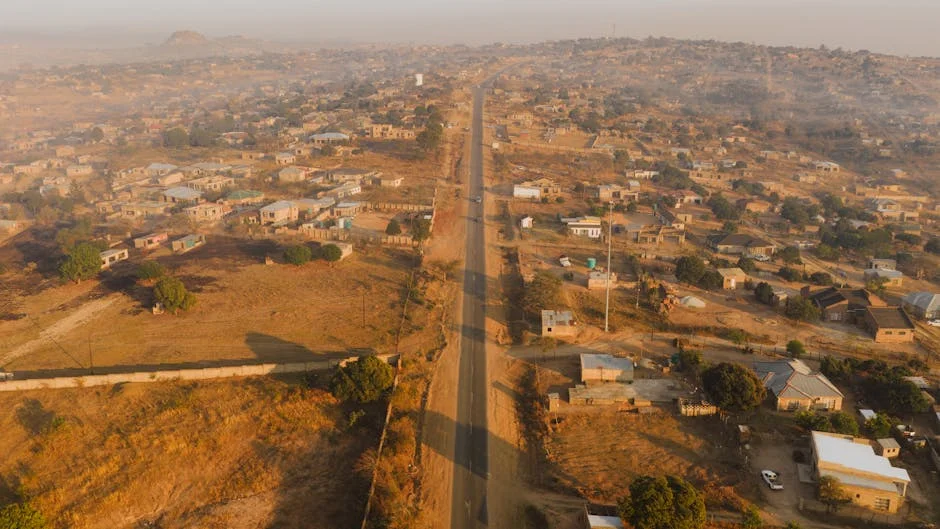
Mamelodi is more than just a suburb of Pretoria; it is a symbol of the complexities of post-apartheid development. The area has seen significant infrastructure improvements, yet unemployment and housing shortages remain persistent issues. These challenges are not unique to South Africa but are echoed in Lagos, Nairobi, and Accra.
Infrastructure Gaps and Urban Growth
The urbanization rate in Africa is among the fastest in the world, creating immense pressure on cities. In Mamelodi, the demand for housing outpaces supply, leading to informal settlements and strained public services. This mirrors the housing crisis in Nigeria’s capital, Abuja, where land values have surged while affordable units remain scarce.
Infrastructure deficits hinder economic productivity and quality of life across the continent. Poor road networks, unreliable electricity, and inadequate water supply are common complaints in both South Africa and Nigeria. Addressing these gaps requires coordinated investment and efficient governance at the local level.
Social Cohesion and Community Resilience
Despite these challenges, communities like Mamelodi demonstrate remarkable resilience. Local businesses thrive, and social networks provide a safety net for many households. This grassroots strength is a crucial asset for African development, often filling the gaps left by state institutions.
Strengthening these community structures can enhance the effectiveness of national development plans. When local initiatives align with broader economic strategies, the impact is multiplied. This approach emphasizes the importance of bottom-up development models in Africa.
The Economic Reality Behind the Lyrics
Vusi Mahlasela’s songs often touch on the cost of living and the disparity between the rich and the poor. In South Africa, the Gini coefficient, a measure of income inequality, remains one of the highest in the world. This economic divide creates social tension and can stall progress if not addressed through targeted policy interventions.
Nigeria faces similar economic pressures, with inflation affecting purchasing power and the middle class shrinking. The cost of basic goods has risen sharply, impacting household budgets across the country. These economic realities are the backdrop against which cultural expressions gain their power and relevance.
The link between economic stability and cultural vitality is strong. When people are financially secure, they have more resources to engage with the arts, which in turn fosters innovation and creativity. Conversely, economic hardship can stifle cultural production, making it harder for artists to reach wider audiences.
Pan-African Perspectives on Governance and Accountability
The role of the artist as a watchdog for governance is a pan-African tradition. From Kenya’s Geny Haruna to Egypt’s Oum Kulthum, musicians have held leaders accountable through their work. Vusi Mahlasela continues this legacy, using his platform to question policies that fail to deliver tangible benefits to the majority.
This form of soft power is increasingly important in an era where traditional media faces scrutiny and digital noise. Artists can cut through the clutter and deliver messages that resonate emotionally with the public. This emotional connection can drive political engagement and demand for transparency.
For African development, this means recognizing culture as a strategic asset. Governments that engage with artists and cultural institutions can foster a more inclusive and responsive governance model. This approach can help bridge the gap between the state and the citizenry, enhancing legitimacy and trust.
Opportunities for Regional Collaboration
The parallels between South Africa and Nigeria offer opportunities for deeper regional collaboration. Both countries are economic powerhouses with vibrant cultural scenes and similar development challenges. Sharing best practices in urban planning, economic policy, and cultural preservation can benefit both nations.
Initiatives like the African Continental Free Trade Area (AfCFTA) provide a framework for such cooperation. By reducing trade barriers, African countries can create larger markets for cultural products and services. This can boost the creative industries, which are significant contributors to GDP in several African nations.
Cultural exchanges can also foster mutual understanding and solidarity. When Nigerian and South African artists collaborate, they create a shared narrative that transcends national boundaries. This can help build a stronger pan-African identity, which is essential for collective action on the global stage.
The Role of Education in Sustaining Change
Education is a key driver of development, and its quality directly impacts the ability of citizens to engage with cultural and political discourse. In South Africa, the education system is undergoing reforms to address historical inequalities. Similar efforts are underway in Nigeria, with a focus on expanding access to higher education.
A well-educated populace is better equipped to critically analyze information and participate in democratic processes. This is crucial for holding leaders accountable and ensuring that development goals are met. Education also fosters innovation, which is essential for economic diversification and growth.
Cultural education, including music and the arts, plays a vital role in developing critical thinking and creativity. Integrating the arts into the curriculum can help students connect with their heritage while preparing for a globalized economy. This holistic approach to education can produce well-rounded citizens who are ready to lead.
Looking Ahead: Monitoring Policy Implementation
The next 12 months will be critical for assessing the impact of recent policy changes in both South Africa and Nigeria. Investors and citizens alike are watching to see if reforms translate into tangible improvements in living standards. The success of these efforts will depend on effective implementation and sustained political will.
Cultural indicators, such as the themes in popular music and art, will continue to reflect the public’s perception of progress. Vusi Mahlasela and other artists will remain important voices in this conversation, providing a continuous feedback loop between the people and their leaders. Observers should monitor these cultural shifts as leading indicators of social stability.
See Also
- Nigeria Seizes Opportunity to Boost Industrial Growth with Stable Energy Supply
- South Africa Confirms Petrol Price at $1.50 per Litre for June 2026
The Role of Education in Sustaining Change Education is a key driver of development, and its quality directly impacts the ability of citizens to engage with cultural and political discourse. Looking Ahead: Monitoring Policy Implementation The next 12 months will be critical for assessing the impact of recent policy changes in both South Africa and Nigeria.
What is the latest news about vusi mahlaselas song challenges south africas inequality crisis?
Why does this matter for environment-nature?
What are the key facts about vusi mahlaselas song challenges south africas inequality crisis?