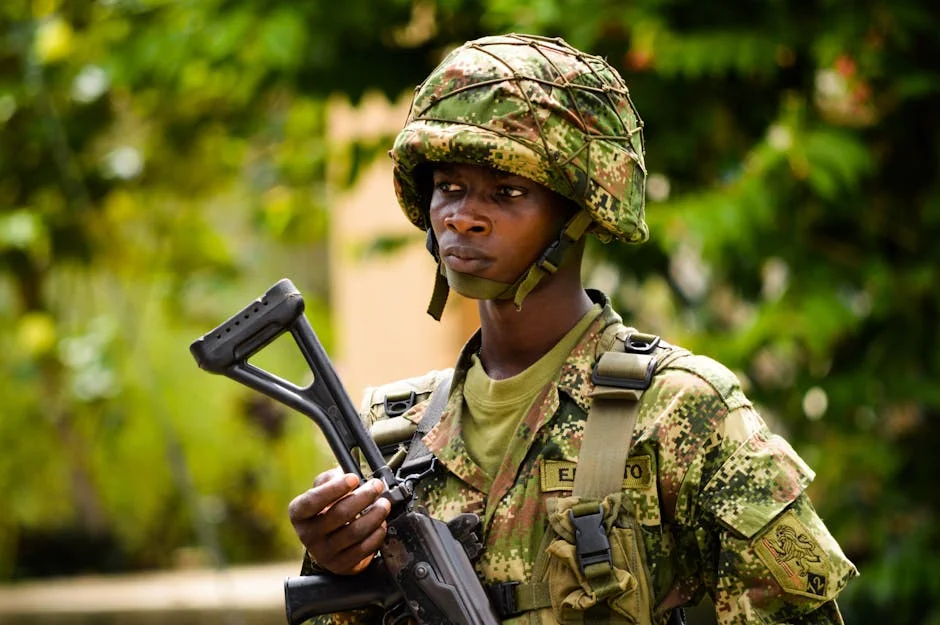
Uganda’s Under-17 national team defeated Ghana in a tense penalty shootout to secure their place at the FIFA U-17 World Cup, marking a significant milestone for African youth football development.
Match Dynamics and Key Moments
The decisive encounter unfolded under the bright stadium lights, with both teams displaying high levels of technical skill and tactical discipline throughout the ninety minutes of regulation time.

Uganda’s midfield controlled the pace effectively, forcing Ghana to chase the ball and create opportunities in the final third through swift counter-attacks and precise passing sequences.
The match remained deadlocked at 1-1 after extra time, leading to a dramatic penalty shootout where Uganda’s goalkeeper made two crucial saves to seal the victory.
Implications for African Youth Football
This result highlights the growing competitiveness among African nations in developing young talent, reflecting broader investments in grassroots football infrastructure and coaching programs.
Uganda’s success demonstrates how consistent investment in youth academies can yield tangible results on the continental stage, providing a model for other African football associations to follow.
The defeat serves as a wake-up call for Ghana, traditionally a powerhouse in African youth football, to reassess their development strategies and player selection processes.
Coaching and Tactical Evolution
Both teams showcased modern tactical approaches, emphasizing high pressing and positional play, indicating the evolving nature of football coaching across the continent.
Uganda’s coach implemented a flexible 4-3-3 formation that allowed for both defensive stability and attacking fluidity, outmaneuvering Ghana’s more traditional 4-4-2 setup in critical moments.
The tactical battle reflected the increasing importance of data-driven decision-making in African football, with coaches using video analysis and performance metrics to optimize player positioning.
Investment in Grassroots Infrastructure
The victory underscores the importance of sustained investment in grassroots football facilities and youth development programs, which form the foundation of sustainable success.
Uganda has significantly improved its training centers and scouting networks over the past five years, enabling better identification and nurturing of talented young players from diverse regions.
Ghana faces the challenge of modernizing its infrastructure to keep pace with emerging rivals, requiring strategic partnerships with private sector investors and international football federations.
The contrast in infrastructure quality between the two nations illustrates how tangible assets like training pitches, recovery facilities, and sports science labs directly impact player performance.
Regional Development and Scouting Networks
Effective scouting networks across different regions are essential for identifying hidden gems who might otherwise be overlooked in the traditional selection process.
Uganda’s scouting system extends beyond urban centers like Kampala, reaching into rural areas where young talents often compete against stronger opponents on natural grass pitches.
Ghana relies heavily on established academies in Accra and Kumasi, but expanding its reach to coastal and northern regions could uncover a deeper talent pool.
The integration of local community clubs into the national scouting framework ensures a more inclusive selection process, reducing the dominance of elite academy products.
Economic Impact of Youth Football Success
Success at the U-17 World Cup generates substantial economic benefits, including increased sponsorship deals, merchandise sales, and international broadcasting rights.
Uganda’s victory is likely to attract new investors interested in the growing football market, leading to enhanced funding for youth programs and player development initiatives.
The economic ripple effect extends to local communities where young players originate, creating job opportunities in coaching, sports management, and event organization.
Financial stability allows for better player compensation, reducing the risk of early migration to European leagues before players reach their peak physical and mental maturity.
Challenges in Player Retention
Retaining top young talent remains a significant challenge, as European clubs often sign African U-17 stars before they have fully developed their technical and tactical skills.
Uganda must implement strategic contracts and scholarship programs to keep their best players within the domestic league system for longer periods.
Ghana faces similar retention issues, requiring innovative solutions such as performance-based bonuses and education stipends to incentivize players to stay.
The competition for young talent is intensifying, with clubs from the Premier League, La Liga, and the Bundesliga actively scouting African youth tournaments.
Strategic Partnerships for Talent Development
Forming strategic partnerships with European clubs can provide African players with access to high-quality coaching, sports science, and competitive match experience.
Uganda has initiated collaborations with several mid-tier European clubs, offering them first-right-of-first-refusal on their top U-17 prospects in exchange for development funds.
Ghana is exploring similar models, focusing on establishing satellite academies in key European cities to provide a smoother transition for young players.
These partnerships require careful negotiation to ensure that African players receive fair compensation and adequate playing time during their formative years.
Future Prospects and Continental Competitiveness
The U-17 World Cup serves as a crucial platform for showcasing African talent on a global stage, influencing transfer markets and international scouting priorities.
Uganda’s qualification positions them as a serious contender, with the potential to upset traditional powerhouses like Brazil, England, and France in the group stages.
Ghana’s next opportunity to qualify will test their ability to implement effective changes, requiring a comprehensive review of their coaching staff, training methods, and player selection criteria.
The continental competitiveness is expected to increase, with nations like Morocco, Senegal, and Nigeria also investing heavily in their youth development structures.
Policy Recommendations for Sustainable Growth
African football associations should prioritize long-term planning over short-term results, implementing structured development pathways from age group U-13 to U-17.
Investing in coach education and certification programs ensures that young players receive consistent, high-quality instruction throughout their developmental years.
Establishing regional football leagues for U-17 teams provides regular competitive match experience, helping players adapt to different tactical styles and playing conditions.
Enhancing sports science and medical support systems reduces injury rates and optimizes player performance, allowing for more consistent development across all age groups.
The African U-17 team will face their first group stage match in June, providing a critical test of their preparation and tactical execution against European and South American rivals.
See Also
- Euribor Rates Shift Amid Nvidia Developments and Their African Implications
- Nigerian Teachers Strike Demanding Action on Schoolchildren Kidnappings